

What to read next

Building Healthy Family Habits That Actually Stick
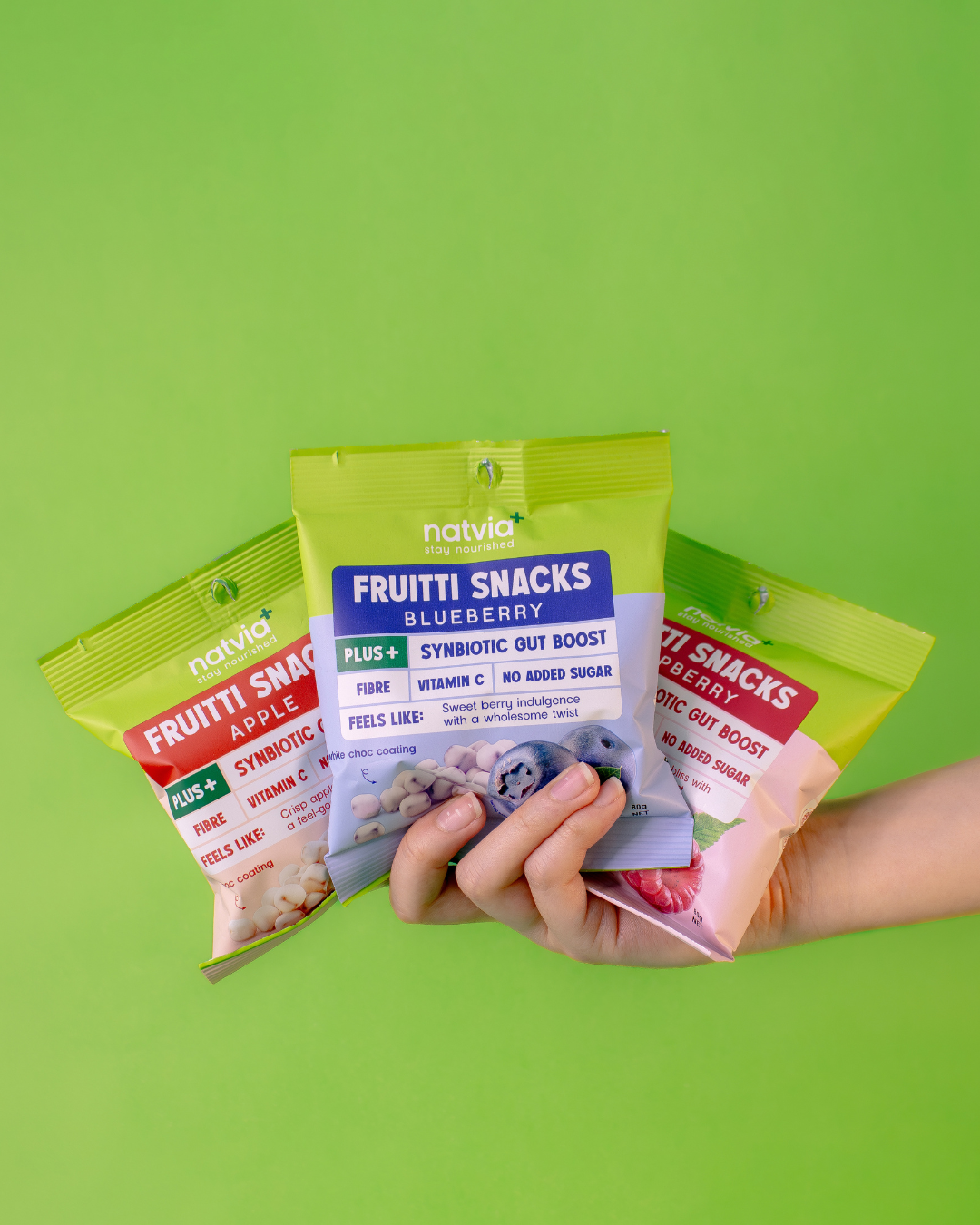
When it comes to healthy eating as a family, perfection isn’t the goal. Between busy mornings, school runs, work and after-school activities, complicated food rules can be difficult to maintain. Instead, building healthy habits can be about creating an environment where balanced choices are easy, enjoyable and simply part of everyday life. Research supports this approach. A study by Gardner. et al, exploring the psychology of habit formation found that repeating a behaviour in a consistent setting can help it become more automatic over time. In other words, small actions that fit naturally into family life may be easier to maintain than dramatic changes that rely on motivation alone. So, what can this look like at home? Start the day with breakfast Making breakfast a regular part of the morning routine is a simple place to start. It doesn't need to be elaborate either, some wholegrain toast and eggs, yoghurt with fruit and oats, or even overnight oats prepared the night before is a perfect way to start. The key is making the habit convenient and repeatable. Keeping a few reliable breakfast staples in the kitchen or preparing things the night before can make a balanced breakfast much easier on busy mornings. Keep nourishing snacks within reach Our environment can influence the choices we make, so make nourishing snacks some of the easiest options to grab. Keeping fruit visible on the kitchen bench and stocking the fridge or pantry with yoghurt, chopped vegetables, nuts, wholegrain crackers and other family favourites means there are plenty of options when someone inevitably asks, “What's there to eat?”. Natvia Fruitti Snacks are the perfect pantry snack for the whole family, with Vitamin C, fibre, gut synbiotics and no added sugar. This isn't about removing biscuits, chocolate or other treats from the pantry. Instead, it's about making balanced everyday options convenient too. Get everyone involved Food preparation can also become a family activity. Depending on their age, kids might wash vegetables, mix ingredients, assemble their own lunch or help choose what's for dinner. The National Institutes of Health encourages families to work together when establishing healthy habits, recognising that parents can help shape a home environment that supports healthier choices. It may make dinner preparation a little messier, but getting involved can help make preparing and enjoying a variety of foods a normal part of family life. Make small swaps where they work for you Creating a healthier household doesn't mean giving up the foods you love. Sometimes, it can be as simple as making a few thoughtful swaps. For example, you might compare labels when buying everyday staples, cook more meals at home or look for ways to reduce added sugar in some of your favourite recipes. For households looking to cut back on added sugar, Natvia can be a simple pantry swap. Natvia's natural sweeteners can be used in place of sugar in everything from your morning coffee to baking and family-favourite recipes, helping make lower-sugar choices easier without giving up sweetness. It's not about removing sugar from every part of family life. Instead, Natvia can form part of a broader household approach to making small, practical changes that work for you. Make water the everyday choice Another simple habit is making water the default drink at home. Keeping reusable bottles filled and ready to go or serving water with everyday meals can help make reaching for it feel automatic. Again, the goal isn't to create strict rules around other drinks. It's about making the everyday option the easiest one. Share meals when you can You don't need to sit around the dinner table together seven nights a week to create a positive family routine. A 2024 systematic review examined 170 studies on family routines and found that routines were associated with positive outcomes across several areas of child development. Mealtimes were among the most commonly studied family routines. Whether it's weekday dinners, Saturday breakfast or Sunday lunch, finding opportunities to eat together can create consistency while giving everyone a chance to connect. Wellness isn't about perfect eating, it's about creating everyday habits that work for the whole family.
Learn more
Your Spring Reset: Simple Ways to Feel Refreshed Without the All-or-Nothing Approach
There’s something about spring that makes us want to start fresh. The days get longer, the weather warms up and suddenly the routine we were used to in the winter no longer feels right. But a spring refresh doesn’t have to mean a strict new routine, a detox or cutting out everything you enjoy. In fact, taking an all-or-nothing approach can make healthy habits harder to maintain. Instead, think about the small things you can do more consistently to support your overall health and wellbeing. This can be getting outside and moving your body or even eating a little more mindfully and making time for better sleep. Ways to make a difference day to day Start your morning with something nourishing A good day doesn’t necessarily start with a complicated breakfast. Look at what you already enjoy and think about how you can make it a little more nourishing. Adding fruit, whole-grains, nuts, seeds or a source of protein can help create a more balanced breakfast. If you prefer something sweet in the morning, there’s no reason to take that enjoyment away. It’s about finding a balance that works for you. A healthy diet is built around variety, with foods such as vegetables, fruit, whole-grains, legumes, nuts and sources of protein forming part of an overall balanced eating pattern. Get outside and move more Spring makes it easier to spend time outdoors, so take advantage of it. Go for a walk before work, take your lunch outside, head out after dinner or simply find more opportunities to move throughout the day. It doesn’t have to be a structured workout every time. Australian guidelines recommend adults be active most days for an average of 30 mins, include muscle-strengthening activities and break up long periods of sitting. The best approach is choosing something that easily fits into your life, and you’ll actually want to keep doing. Make hydration a habit With warmer days ahead, keeping water nearby is a simple habit worth prioritising. Keep a bottle at your desk, in the car or in your bag, and make water an easy choice throughout the day. If you enjoy a little flavour, add lemon, lime, mint or fresh fruit. You can also look at your usual drinks and consider where a lower-sugar option might work. Give sleep some attention Feeling refreshed isn’t just about what you do during the day. Sleep plays an important part in overall health and wellbeing, too. Rather than trying to create the perfect bedtime routine, start with something achievable. Aim for a more consistent bedtime, wind down without your phone or give yourself a little more time to switch off at night. For adults aged 18–64, the sleep health foundation recommend 7–9 hours of good-quality sleep, with consistent bed and wake times. Be mindful, not restrictive Healthy eating doesn’t mean never eating something sweet. Instead, take a look at your overall eating habits. Are there easy opportunities to include more whole foods? Could you choose water more often? Is there sugar you regularly add to food or drinks that you wouldn’t mind reducing? The World Health Organisation recommends limiting free sugars to less than 10% of daily energy intake, while noting that reducing intake further may provide additional benefits. That doesn’t mean you need to eliminate sweetness or stop enjoying your favourite foods. Small swaps can be a more practical way to make changes that fit into everyday life. Swapping sugar for a natural sweetener If you regularly add sugar to coffee, tea, breakfast or homemade recipes, switching to a natural sweetener such as Natvia can be one simple way to reduce the sugar you add while keeping the sweetness you enjoy. It’s not about turning every choice into a “healthy” choice. It’s simply another option you can use when it suits your routine. And that’s really the idea behind a spring refresh: You don’t have to change everything at once. Small habits, rather than a complete overhaul The philosophy behind James Clear’s award winning book, "Atomic Habits" is useful here. Rather than relying on big goals or dramatic changes, focus on making small improvements and creating systems that make good habits easier to repeat. Applying this to a spring refresh could mean starting with one simple change: A walk after lunch. An extra glass of water. A more balanced breakfast. An earlier bedtime. Swapping the sugar in your morning coffee for Natvia. None of these changes needs to transform your life overnight. But when they become part of your normal routine, they can contribute to a healthier, more balanced way of living. This spring, let go of the pressure to reset everything. Start small, find what works for you and build from there.
Learn more
Check In on Dad: Why Fathers' Mental Health Matters
Every Father's Day, the gift guides come out: a new drill, a decent pair of headphones, something for the garden he's been putting off buying himself, maybe a hose that finally reaches the back fence. It's a nice tradition. Dads are notoriously hard to shop for and there's a real satisfaction in nailing the right gadget. But somewhere between the wrapping paper and the barbecue, it's worth asking the question the gift guides don't. Do you actually talk to him? Not about the footy, or the renovation, or how work's going. About how he's really doing. Most of us don't, not really, and it's not for lack of caring. It's just that dads are easy to overlook precisely because they're reliable. He's the one who's up first on Saturday mornings, who remembers exactly how you take your coffee, who still asks how that thing from three weeks ago turned out. Because he's always the one holding things together, it rarely occurs to anyone to ask whether he needs holding up too. Why Checking In Is Worth the Slightly Awkward Moment Dads are not immune to depression and anxiety. According to PANDA (Perinatal Anxiety & Depression Australia), up to 1 in 10 Australian fathers experience depression around the arrival of a new baby, in the same window where the conversation has traditionally focused almost entirely on mothers. Postnatal depression in mums deserves every bit of that attention. The partner standing alongside her has often just been left out of the picture. It isn't only new dads, either, and it doesn't always look like sadness. Healthdirect's guidance on men's mental healthnotes it can show up sideways: irritability, a shorter fuse, withdrawing from family and mates, sleeping badly, drinking more, or quietly disappearing into work. If the dad in your life seems flat, distant or wound tighter than usual lately, that's worth a conversation, even if he insists everything is fine. Especially if he insists everything is fine. Part of why so many men stay quiet is generational. According to Beyond Blue, 43% of Australian men will experience anxiety or depression at some stage in their lives, yet only 37% of men and boys reach out for support when they need it. Many grew up with the message that strength means carrying things alone. It's a costly habit to have inherited, and it's part of why Beyond Blue's research consistently finds men are underrepresented in the people who ask for help before things get serious. The encouraging part is that this is shifting. Beyond Blue's own data shows men are gradually getting better at recognising when something's wrong and saying so out loud. Culture moves one conversation at a time, and Father's Day is as good a day as any to start one. How to Check In on the Dads in Your Life None of this needs training or a script, just a bit of curiosity and the willingness to actually listen. Ask something other than "how's work?" Try "what's been on your mind lately?", "how are you sleeping?" or "what are you doing for yourself these days?" Many men find it easier to open up side by side than face to face, on a walk, on a drive, over some shared task, when the conversation has somewhere else to look. Listen without rushing to fix anything, since being heard is usually the actual point. And ask twice: the first "I'm fine" is often a reflex, and a gentle "how are you really?" gives him permission to answer honestly. If something genuinely worries you, just say what you've noticed, kindly and specifically. "You seem flat lately and I care about you" tends to open more doors than staying quiet ever will. For the Dads Reading This Struggling doesn't make you less of a father. If anything, looking after your own wellbeing is one of the more practical things you can do for your kids, since they learn how to handle hard feelings largely by watching you handle yours. None of this needs a crisis as the entry point. A conversation with your GP is a reasonable first step, and it can be as simple as booking an ordinary appointment and saying things haven't felt right lately. Dadspace is another good starting point, a free Australian resource built specifically for dads. Beyond Blue also has dedicated support for parents. Where to Find Support If you or a dad you love could use it, these services are free and confidential: Dadspace – practical mental health and parenting support built for Australian dads: dadspace.com.au Beyond Blue – 24/7 support for anxiety and depression: 1300 22 4636 MensLine Australia – counselling for men, any time: 1300 78 99 78 Lifeline – 24/7 crisis support: 13 11 14 Healthy Heads – wellbeing resources and programs: healthyheads.org.au If a life is in immediate danger, call 000. This Father's Day, give the dad in your life something better than socks: a real conversation. And if you know a dad who could use this, send it his way. It might be the nudge he's been waiting for.
Learn more