

What to read next

The Everyday Wellness Reset: 8 Simple Habits for Feeling Your Best
Wellness can sometimes feel complicated. There are always new trends to try, products to buy and routines promising to transform your life. But genuine everyday wellbeing doesn't have to be expensive, complicated or perfect. A more sustainable approach is to focus on the basics: nourishing your body, moving regularly, staying hydrated, getting enough sleep, managing stress and making time for the people and activities you enjoy. The Australian Dietary Guidelines similarly focus on overall eating patterns and a variety of nutritious foods rather than telling people to completely avoid individual foods. Here are eight simple habits that can help make everyday wellness feel a little more achievable. 8 Simple Habits to Bring Into Your Day 1. Nourish your body. Build meals around a variety of nutritious foods, including vegetables, fruit, wholegrains, dairy or alternatives and sources of protein. You don't need every meal to be perfect. Think about what your overall pattern looks like across the day and week. 2. Stay hydrated. Keep water nearby throughout the day and make it your go-to drink. Having a reusable bottle with you can make staying hydrated a little easier. 3. Move regularly. Movement doesn't have to mean an intense workout. Walking, stretching, cycling, dancing or simply breaking up long periods of sitting can all help you stay active. 4. Prioritise sleep. Sleep is not wasted time but it's a part of taking care of yourself. For adults aged 18–64, it is recommended 7–9 hours of good quality sleep with consistent bed and wake times. 5. Make room for stress management. You don't have to eliminate every stressful moment. Instead, find simple ways to create pauses throughout your day—take a walk, listen to music, practise slow breathing or spend a few minutes away from your screen. 6. Stay connected. Make time for conversations, shared meals, hobbies or simply being around people you enjoy. Wellness isn't only about what we do individually, relationships and connection are part of everyday life. 7. Enjoy food without guilt. Healthy eating doesn't mean taking the enjoyment out of food. Give yourself permission to appreciate your favourite meals and treats. Balance is about how your choices fit together, rather than labelling individual foods as “good” or “bad.” 8. Be mindful of excess sugar. Australian dietary guidance recommends limiting foods and drinks containing added sugars. If reducing sugar is one of your personal goals, small swaps can make the process feel more manageable. For example, you might choose a lower-sugar or sugar-free option for an everyday drink or recipe you already enjoy. Choose Balance Over Perfection The biggest mistake we can make with wellness is turning it into another reason to feel like we're not doing enough. You don't need to completely change your lifestyle overnight. Start with one habit that feels realistic. Drink more water. Take a short walk. Go to bed a little earlier. Put your phone away during meals. Make time for a friend. Or try a simple swap in one of your everyday foods or drinks. Natvia can be one example of this approach. Its range includes sugar-free sweeteners designed for everyday uses such as beverages, cooking and baking, giving people an option when they want to reduce sugar without giving up sweetness. The goal is finding choices that fit naturally into your life and that you can comfortably maintain. Wellness isn't built through one perfect day. It's built through the small choices we repeat—most days, over time. Everyday wellness is about small choices that add up, not chasing perfection. So forget the pressure to do everything. Start small, choose what works for you and remember that balance will always be more sustainable than perfection.
Learn more
The Power of Small Moments: Simple Ways to Look After Your Mental Wellbeing Every Day
We do so much to take care of our bodies. We exercise, go to the gym, practise Pilates, eat well and try to stay active. But when it comes to taking care of our minds, we often tend to neglect it or make it feel much more complicated than it needs to be. The truth is, looking after our mental wellbeing doesn't always require a major lifestyle change. Sometimes, it can be as simple as taking a proper break during a busy day, stepping outside for some fresh air, calling a friend or simply sitting down and enjoying a drink without rushing on to the next thing. These small moments can give us the opportunity to pause, reset and be more present. After all, our mind is part of our body too and arguably one of the most important part! Yet, because we can't always see when our mind needs care, it can be easy to put our mental wellbeing at the bottom of the list. World Mental Health Day, held on 10 October each year is an important reminder that mental health deserves to be part of our everyday conversations and priorities, not something we only think about when we're struggling. So, rather than thinking of wellbeing as another task to add to an already busy schedule, perhaps it's worth looking at the small moments already built into our day. From taking a genuine break to enjoying our morning coffee a little more mindfully, wellness can sometimes be found in the ordinary moments we so often rush past. Make Space For Yourself Our days can easily become a cycle of work, study, errands, responsibilities and screens, leaving very little time to simply stop. Looking after our mental wellbeing doesn't necessarily mean adding another complicated routine to an already busy schedule. Sometimes, it means creating small pockets of space within the routine we already have. A proper break can be as simple as stepping away from your desk, taking a few minutes outside, stretching, going for a short walk or putting your phone down. The important part is giving yourself permission to pause rather than using every spare minute to catch up on something else. The same idea can apply to the boundaries we create around work. Switching off notifications, finishing work at a set time or keeping part of the evening free from work related tasks can help create a clearer transition between “work time” and “me time”. And don't forget “sleep”. A relaxing evening ritual, whether that's reading, listening to music, having a warm drink or simply dimming the lights can create a gentle transition from a busy day towards rest. The goal isn't to create a perfect routine, but to find small habits that make your day feel a little less rushed. Turn Ordinary Moments Into Little Rituals A routine is something we often do automatically. A ritual is an everyday activity we choose to experience more intentionally. Consider your morning drink. It could be something you quickly finish while checking emails and scrolling through your phone. Or it could become five minutes where you sit down, take a breath and actually enjoy the drink in front of you. That small difference of “doing something and being present while doing it” can change how an ordinary moment feels. Paying attention to the aroma of your coffee, the warmth of your mug or the first sip of your favourite drink gives your mind a chance to step away from everything else for a moment. The same approach can be applied to food. Rather than eating while working or scrolling, try sitting down and enjoying your meal without distractions when you can. Notice the flavours, textures and aromas and give yourself permission to enjoy the experience. For those who are mindful of their overall sugar intake, everyday rituals can also be an opportunity to make simple choices that fit their lifestyle. A lower-sugar or sugar-free alternative, such as Natvia can be one practical swap for an everyday drink or recipe. Wellbeing Doesn't Have To Be Complicated We often think of wellbeing as something we need to actively do: exercise, meditate, journal, follow a routine or achieve a particular goal. But sometimes, looking after ourselves can simply mean paying more attention to the life that's already happening around us. Go outside and notice the sunlight, trees or fresh air. Take a walk without turning it into another task to complete. Call a friend instead of sending a quick message. Share a meal with someone you care about. Listen to music while you cook. Take a few quiet minutes at the end of the day to reflect on something that went well. These moments don't need to be impressive or productive. Their value can simply come from giving ourselves time to connect with ourselves, other people or the world around us. Ultimately, looking after our mental wellbeing doesn't have to mean doing more. Sometimes, it means doing a little less, slowing down and allowing ourselves to actually experience the moment we're already in. And that is where everyday wellness can begin one step at a time.
Learn more
Building Healthy Family Habits That Actually Stick
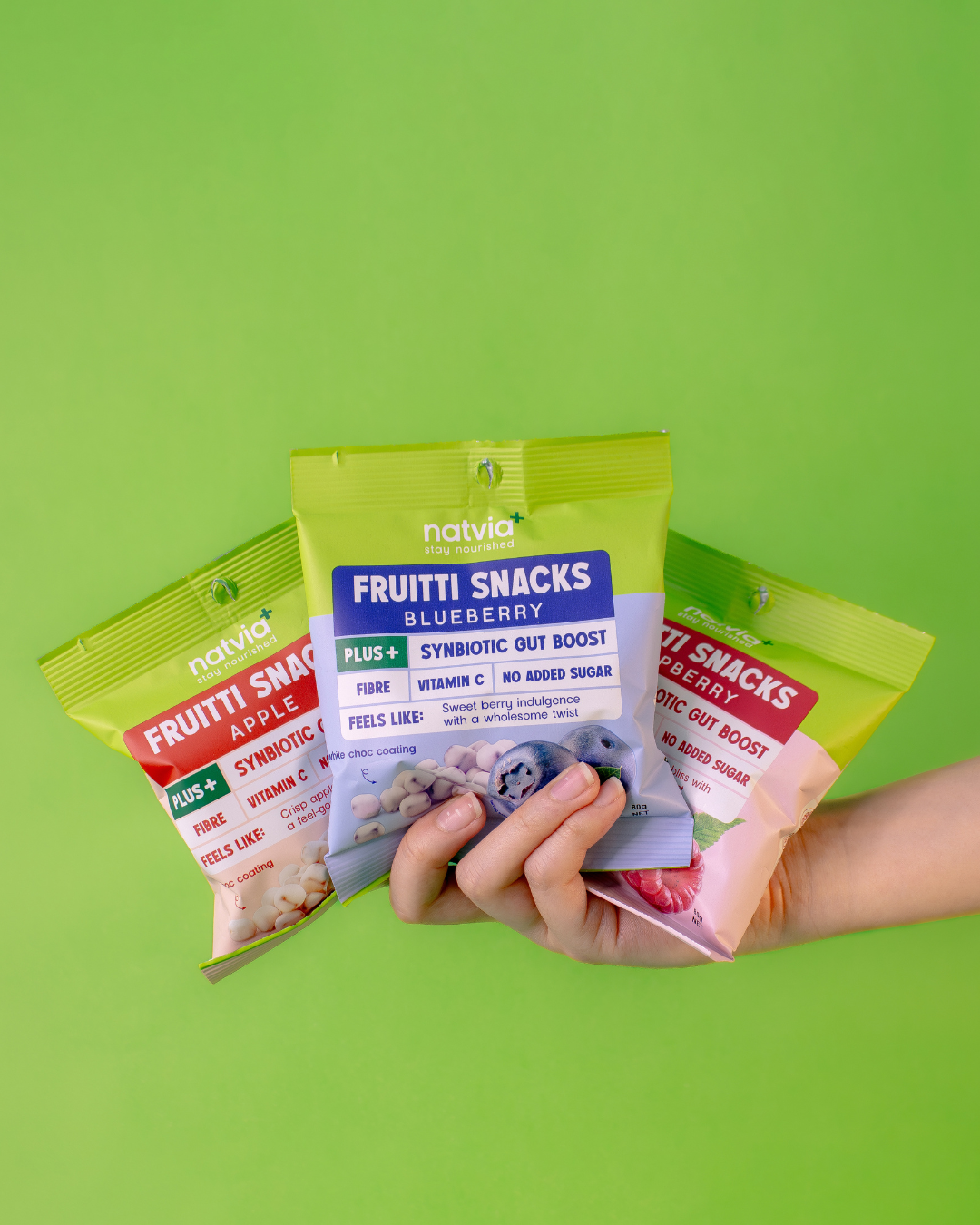
When it comes to healthy eating as a family, perfection isn’t the goal. Between busy mornings, school runs, work and after-school activities, complicated food rules can be difficult to maintain. Instead, building healthy habits can be about creating an environment where balanced choices are easy, enjoyable and simply part of everyday life. Research supports this approach. A study by Gardner. et al, exploring the psychology of habit formation found that repeating a behaviour in a consistent setting can help it become more automatic over time. In other words, small actions that fit naturally into family life may be easier to maintain than dramatic changes that rely on motivation alone. So, what can this look like at home? Start the day with breakfast Making breakfast a regular part of the morning routine is a simple place to start. It doesn't need to be elaborate either, some wholegrain toast and eggs, yoghurt with fruit and oats, or even overnight oats prepared the night before is a perfect way to start. The key is making the habit convenient and repeatable. Keeping a few reliable breakfast staples in the kitchen or preparing things the night before can make a balanced breakfast much easier on busy mornings. Keep nourishing snacks within reach Our environment can influence the choices we make, so make nourishing snacks some of the easiest options to grab. Keeping fruit visible on the kitchen bench and stocking the fridge or pantry with yoghurt, chopped vegetables, nuts, wholegrain crackers and other family favourites means there are plenty of options when someone inevitably asks, “What's there to eat?”. Natvia Fruitti Snacks are the perfect pantry snack for the whole family, with Vitamin C, fibre, gut synbiotics and no added sugar. This isn't about removing biscuits, chocolate or other treats from the pantry. Instead, it's about making balanced everyday options convenient too. Get everyone involved Food preparation can also become a family activity. Depending on their age, kids might wash vegetables, mix ingredients, assemble their own lunch or help choose what's for dinner. The National Institutes of Health encourages families to work together when establishing healthy habits, recognising that parents can help shape a home environment that supports healthier choices. It may make dinner preparation a little messier, but getting involved can help make preparing and enjoying a variety of foods a normal part of family life. Make small swaps where they work for you Creating a healthier household doesn't mean giving up the foods you love. Sometimes, it can be as simple as making a few thoughtful swaps. For example, you might compare labels when buying everyday staples, cook more meals at home or look for ways to reduce added sugar in some of your favourite recipes. For households looking to cut back on added sugar, Natvia can be a simple pantry swap. Natvia's natural sweeteners can be used in place of sugar in everything from your morning coffee to baking and family-favourite recipes, helping make lower-sugar choices easier without giving up sweetness. It's not about removing sugar from every part of family life. Instead, Natvia can form part of a broader household approach to making small, practical changes that work for you. Make water the everyday choice Another simple habit is making water the default drink at home. Keeping reusable bottles filled and ready to go or serving water with everyday meals can help make reaching for it feel automatic. Again, the goal isn't to create strict rules around other drinks. It's about making the everyday option the easiest one. Share meals when you can You don't need to sit around the dinner table together seven nights a week to create a positive family routine. A 2024 systematic review examined 170 studies on family routines and found that routines were associated with positive outcomes across several areas of child development. Mealtimes were among the most commonly studied family routines. Whether it's weekday dinners, Saturday breakfast or Sunday lunch, finding opportunities to eat together can create consistency while giving everyone a chance to connect. Wellness isn't about perfect eating, it's about creating everyday habits that work for the whole family.
Learn more