
Nourish Wellness Hub


Why You Crave Sugar at 3pm and What to Do About It
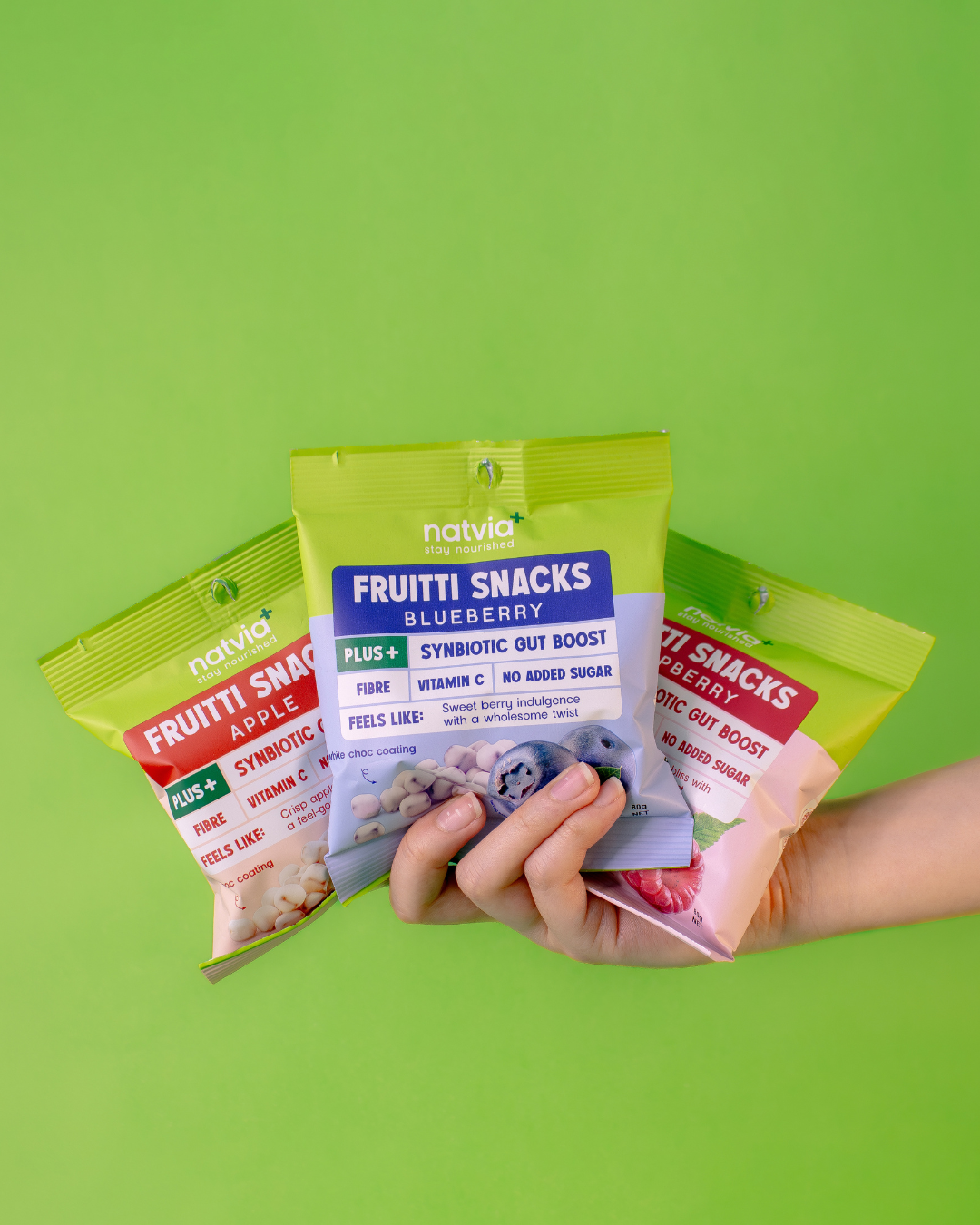
It is 3pm. Your focus has quietly dissolved, you have reread the same sentence twice, and your hand is already moving toward the snack drawer before you have made any conscious decision to do so. The 3pm sugar craving is not a discipline problem. It is a predictable blood glucose pattern with a clear cause, and once you understand what is actually driving it, fixing it becomes considerably more obvious than "try harder." Ask most people why they reach for something sweet at three in the afternoon and they will say they lack discipline, that they are bored, that they just need to push through. None of those explanations is right. The craving is shaped by what lunch did to blood glucose and by the body's own circadian rhythm. Why the Blood Sugar Drop at 3pm Is Not Random Two things happen at once in the early afternoon and they tend to feed into each other. The first is a natural dip in alertness documented by circadian rhythm research, a dip that happens regardless of how well you slept. The second is the blood glucose fall that follows a carbohydrate-rich lunch. White bread, pasta, sweetened drinks, and anything processed that breaks down quickly tend to produce a sharp glucose spike and an equally sharp decline. That decline is what the body registers as urgent hunger, specifically as a craving for the quickest source of energy it can find. Research published in the European Journal of Nutrition has explored how repeated exposure to high-sugar foods may reinforce the craving cycle through dopamine pathways, in a pattern that resembles how other repeated habits take hold. As Health and Wellbeing Queensland notes, this is part of why the pull toward sugar in the afternoon can feel less like genuine hunger and more like a habit the brain has quietly built over time. It is also worth noting that the afternoon slump is partly set up by the morning. A meta-analysis of randomised controlled trials published in Nutrition found that high-GI breakfasts significantly elevated postprandial blood glucose at 60, 90, and 120 minutes, with a more pronounced effect in people with metabolic impairments. A breakfast that spikes blood glucose early tends to make the afternoon dip more pronounced. How to build a morning routine that supports your body is worth reading alongside this if the 3pm pattern feels persistent regardless of what lunch looks like. Why Reaching for Sugar Makes the Afternoon Slump Worse Reaching for something sweet at 3pm is not irrational. It is a reasonable response to a real biological signal. The problem is that most things people grab in that moment, a biscuit, a handful of lollies, a muesli bar with more added sugar than the packaging implies, do not resolve the signal. They replay it. Each one produces another blood glucose spike, another insulin response, another fall. The craving eases for twenty minutes. Then it comes back, and now it is an hour closer to dinner. As Dr Devlin at the University of Queensland puts it, these quick fixes often backfire, leading to another crash not long after. The snack that was supposed to fix the slump feeds the cycle that caused it. Once you see the mechanics clearly, the question shifts from "should I eat something" to "what is this thing I am about to eat actually going to do to the next hour." What Protein and Fibre Do That Sugar Cannot A 2020 meta-analysis in Physiology and Behaviour found that protein intake suppressed appetite by decreasing ghrelin, the hunger hormone, while increasing feelings of fullness and satiety. Fibre is consistently associated with more stable blood glucose over time, meaning the sharp rise-and-fall pattern that drives the 3pm craving is less pronounced when a meal or snack contains meaningful amounts of both. Together, they do not just postpone the craving. They change the shape of the afternoon. This is not a prescription for a more complicated eating routine. It is simply a case for paying attention to what that snack is made of. What to Snack on at 3pm Instead The answer is not to stop snacking. Your body is sending a real signal, and ignoring it rarely ends well. The answer is to swap what you reach for. The ideal 3pm snack is still genuinely satisfying and still hits that sweet craving, but it does not send blood glucose on another ride. That means low in sugar, high in fibre, and ideally carrying something extra that supports the body rather than just buying you twenty minutes of quiet. Natvia Fruitti Snacks were built for exactly this moment. They are chewy white-chocolate-coated fruit bites with no added sugar, and each serve delivers a good source of fibre alongside a 2 billion synbiotic blend of prebiotics, probiotics, and postbiotics. So the craving gets something genuinely delicious. The blood glucose pattern does not get fed. And your gut gets a little something extra while you are at it. They come in Apple, Raspberry, and Blueberry, in single 80g pouches or multipacks. Try them here and see the difference a better snack makes at 3pm. Why Proximity Beats Willpower Every Time Changing the 3pm habit has very little to do with resolve and a great deal to do with what is already within reach when the craving hits. The snack that wins is the one already in the drawer. Multiple studies confirm this: research published in Appetite found that simply making a lower-calorie food more physically proximate reduced total energy intake even when a more preferred higher-calorie option was also available. Proximity, not intention, determines what most people eat in a moment of low energy and high craving. When what is within reach is genuinely satisfying and does not restart the blood sugar cycle, the afternoon tends to take care of itself. Stock your drawer with healthy snacks that you like. The afternoon tends to take care of itself from there.
Learn more
Natvia vs Sugar: The Real Cost of Sweetness Isn't on the Shelf
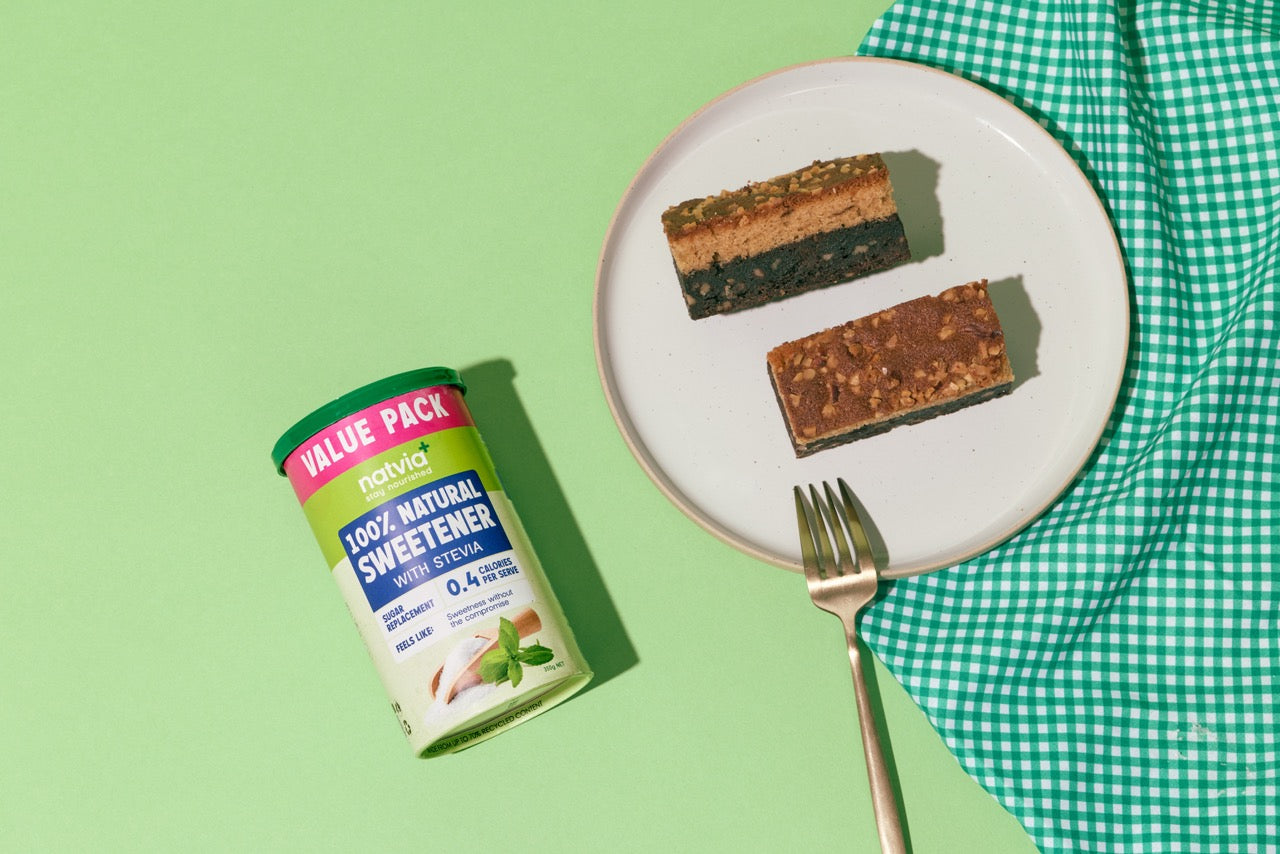
Natvia sits at a higher price point than regular sugar on the supermarket shelf, and there is no point pretending otherwise. But the number printed on the packet answers a narrower question than most people realise: how much does this weigh, and what does that weight cost? It says very little about how much you actually use per serve, and nothing at all about what each option is doing to the body over months and years of daily consumption. Once those variables enter the picture, the comparison looks quite different. Why Cost Per Serve Tells a Different Story Than Cost Per Gram Natvia is made from stevia leaf extract, a naturally concentrated plant compound, which means only about three-quarters of a cup is needed where a recipe calls for a full cup of sugar. That ratio alone reshapes the maths. Artificial sweeteners, despite their low shelf price, tend to cost considerably more per serve when used at a 1:1 substitution ratio. Sugar remains the cheapest option in absolute terms, but the gap with Natvia narrows meaningfully at the serve level, and that difference buys something that behaves quite differently once it reaches the body. Product Size Prize Serves Cost/Serve White Table Sugar 500g $1.95 125 1.5 cents Natvia Natural Sweetener 350g $7.75 175 4 cents Lakanto Monkfruit Sweetener 300g $10.00 75 13 cents Equal Spoonful Sweetener Jar 113g $6.00 161 3.7 cents Splenda Granular Sweetener 120g $8.70 240 3.6 cents *Serve size: one teaspoon. Prices sourced from Coles, May 2026. How Natvia Compares to Sugar on Calories and Blood Glucose Sugar contributes around 16 calories per teaspoon. Natvia contributes approximately 0.4, around 96 percent fewer. For someone who sweetens coffee, tea, and cooking regularly across a week, that differential accumulates to thousands of calories a year without any other change to their diet. Sugar also carries a glycaemic index of 65, producing a blood glucose spike that tends to be followed by a dip expressed as cravings, fatigue, or irritability. Natvia has a glycaemic index of zero. A review published in Frontiers in Nutrition examining sweeteners in the context of diabetes management found that steviol glycosides, the active compounds in stevia, may support glycaemic control by delivering sweetness without raising blood glucose. Food Standards Australia New Zealand has also assessed steviol glycosides as safe for use in food. Refined sugar also feeds the bacteria in the mouth that produce acid, and sustained exposure to that acid is what causes enamel erosion and cavity formation over time. Stevia-based sweeteners are not fermented by oral bacteria in the same way, which is associated with a lower risk of dental decay. The Hidden Costs of Sugar Sugar is cheaper upfront. That calculus tends to shift considerably when you factor in what sustained daily consumption is associated with over time across health, finances, and daily energy. Health costs. The long-term evidence on added sugar is difficult to ignore. A landmark study published in JAMA Internal Medicine found that people consuming between 10 and 25 percent of their daily calories from added sugar had a 30 percent higher risk of cardiovascular disease mortality. The World Health Organisation recommends that added sugars account for less than 10 percent of total daily energy intake. Beyond clinical thresholds, sustained high sugar consumption is associated with increased risk of obesity, type 2 diabetes, and related metabolic conditions that carry significant long-term consequences for quality of life. Financial costs. The direct cost of sugar-related health issues adds up quickly. A single GP visit in Australia typically costs between $80 and $120 out of pocket. A basic dental filling runs anywhere from $150 to $300. One appointment of either kind offsets months of Natvia spending at four cents a serve. Preventive choices rarely feel significant in the moment, but the financial comparison shifts considerably when viewed across a year or more. Productivity costs. Blood glucose spikes do not just affect the body, they affect the day. The energy dip that follows a sugar hit is a familiar experience for most working adults and parents: the mid-morning slump, the post-lunch fog, the difficulty concentrating through an afternoon meeting. These are not trivial inconveniences. For people managing full schedules, the compounding effect of daily energy instability is a real cost that never appears on a supermarket receipt. Dental costs. Dental work is one of the more immediate and tangible financial consequences of sustained sugar consumption. Enamel erosion and cavity formation driven by sugar-feeding oral bacteria translate directly into chair time and out-of-pocket expense. Stevia-based sweeteners are not fermented by oral bacteria in the same way, which means the daily habit of sweetening coffee or tea with Natvia is not contributing to that cycle. Why Natvia Is Worth the Price Natvia is designed to perform like sugar across beverages, baking, and everyday cooking, with a straightforward three-quarter cup swap for any recipe. But the case for Natvia goes beyond convenience. Fewer health issues over time. Zero glycaemic index means no blood glucose spikes, no associated crashes, and none of the long-term metabolic burden that regular sugar consumption carries. For people managing their weight, energy, or blood sugar, that difference compounds meaningfully over months and years. Exceptional longevity per canister. One 350g canister delivers 175 teaspoon serves. For someone adding a teaspoon to their morning coffee every day, that is nearly six months of use from a single purchase at four cents a serve. The shelf price overstates what Natvia actually costs in daily life. Natural ingredients, unlike artificial sweeteners. Natvia is derived from stevia leaf extract, not manufactured in a laboratory. For people choosing to move away from refined sugar, the alternative matters. Artificial sweeteners such as sucralose and aspartame are synthetic compounds. Natvia is not. Sugar costs less per gram. Natvia costs less than most people expect per serve, and the real comparison extends well beyond what appears on the label. Benefit Refined Sugar Natvia Calories per tsp ~16 cal ~0.4 cal (96% fewer) Glycaemic index 65 (raises blood sugar) 0 (no blood sugar impact) Tooth decay risk Increases risk Often associated with reduced risk Gut loving ingredients None 150 billion synbiotic blend per canister Suitable for people with diabetes Not recommended Yes, zero GI, research supported Use in cooking and baking Yes Yes, seamless swap at 3/4 cup ratio Natural origin Refined cane or beet sugar Stevia leaf extract and erythritol Explore the full Natvia Sweetener Range and find the product that fits your day.
Learn more
5 Science-Backed Habits That May Slow, or Even Reverse, Biological Age
There are two numbers that describe how old you are, and they are not always the same. One is chronological: the years since you were born, unchanged by anything you do or do not do. The other is biological: the actual condition of your body at a cellular level, shaped not by the calendar but by the environment your body lives in day to day. It responds to how you sleep, how you manage stress, what you eat, and how often you ask your body to move. The habits that influence biological age are not particularly complicated. They are the ones that have always sat at the edges of ordinary life, easy to understand and easy to defer. What the science now offers is a more specific reason to take them seriously: not because they will change how you look, but because they shape, at a molecular level, how your body ages from the inside. 1. Sleep: Where Cellular Repair Actually Happens Sleep is one of those things most of us know matters and most of us treat as negotiable when life gets full. The research on what that trade-off actually costs is now detailed enough to be worth sitting with. A review by researchers at UCLA and UCSF describes sleep loss and sleep disturbances as active contributors to biological ageing at a molecular level, interfering with your metabolism, impairing the body's cellular repair processes and driving cellular deterioration. They are changes to the very mechanisms through which your body maintains and restores itself overnight. What tends to be undermined is how sleep shifts as you get older. Harvard Medical School's notes that deep, restorative slow-wave sleep becomes harder to access with age, sleep grows more fragmented, and your sensitivity to circadian disruption increases. This means sleep deserves more attention as the decades pass, not less. When your body's internal rhythm is consistently disturbed, inflammatory processes tend to rise, and inflammation is one of the most well-documented accelerators of biological ageing in the literature. Treating those hours as something your body genuinely depends on is less about optimising a bedtime routine and more about recognising that what happens during sleep has real, measurable consequences for how you age. 2. Sugar Intake: The Small Daily Choice With a Long Biological Shadow Sugar's relationship with how the body ages is not particularly complicated, but it is easy to set aside because the effects are not immediately visible. In 2024, research from the University of California San Francisco examined the diets and cellular age of 342 middle-aged women. The women with higher added sugar intake showed measurably faster epigenetic ageing. The women following more varied, antioxidant-rich diets showed the opposite, with cells appearing biologically younger than their chronological age. What made this finding particularly significant is that the effects of sugar intake and overall diet quality were largely independent of each other. Reducing sugar carries its own biological benefit, separate from any broader improvement in how you eat. The mechanism is not simply about weight or calories. Sugar drives cellular ageing through inflammation and damages the way your cells produce and use energy, both of which are now understood as core processes in how the body ages at a molecular level. The decisions you make around sweetness every day, including something as small as what goes into your morning coffee, accumulate into a biological pattern across years. Swapping added sugar for something that does not carry the same cellular cost is one of the more practical and sustainable adjustments available. Natvia's Gut Activation Sweetener, which combines a stevia-based sweetener with a synbiotic blend that supports the growth of beneficial gut bacteria, offers that swap without asking you to give up the sweetness. 3. Movement: An Investment in the Body You Will Live In Later Exercise tends to get framed as a way of managing how the body looks. The physiological reality is considerably broader than that. The National Institute on Aging identifies physical activity as one of the most evidence-supported tools available for maintaining health across the lifespan, with benefits spanning cardiovascular function, bone density, muscle mass, blood sugar regulation, and cognitive resilience. Australia's own physical activity guidelines for older adults make the same point from a functional angle: the goal of movement is capacity, the ability to keep doing what daily life requires, and that capacity is built or eroded over decades of accumulated choices. For women especially, this becomes more pressing from the thirties onwards. Muscle and bone both begin a gradual decline from this point, and the compounding effects of inactivity become progressively harder to reverse. Resistance training in particular, which tends to get less attention than cardiovascular exercise in most wellness conversations, is especially relevant here because it is the mechanical load on muscle and bone that signals the body to maintain its density and strength. When you think of movement as a long-term investment in the body you will be living in twenty years from now, rather than a response to how it looks today, the motivation tends to sit differently. And the evidence suggests that distinction is not just psychological. It is also physiological. 4. Eating Patterns: Diversity Over Time Is What the Data Shows A single meal, or even a month of good eating, tells relatively little about how food shapes the way you age. The more meaningful picture emerges across years, and a 2025 study published in Nature Medicine offers one of the clearest views of it yet. Following more than 105,000 participants over up to three decades, researchers found that long-term adherence to diverse, plant-forward dietary patterns was among the strongest predictors of healthy ageing, defined as reaching older age free of major chronic disease with cognitive, physical, and mental function intact. Two-thirds of participants were women. Those who consistently ate with variety and nutritional range were significantly more likely to reach that outcome than those whose diets leaned toward ultra-processed foods and low diversity. Much of this effect moves through the gut microbiome, which becomes less diverse and more pro-inflammatory with age when it is not adequately supported by fibre and variety. That chronic low-level inflammation is closely associated with the conditions most likely to erode your health and independence in later life. A review published in Nutrients, examining nutrition and ageing-related biomarkers across multiple studies, reinforced the same point: it is dietary patterns sustained over time, not individual superfoods or short bursts of clean eating, that most meaningfully shape how you age. The conversation worth having is not about perfection at any single meal. It is about what you are giving your body, consistently, across years. 5. Stress: The Biology Makes a Stronger Case Than You Might Expect Chronic stress tends to get acknowledged in wellness conversations and then quietly set aside, perhaps because it is harder to address than diet or exercise and does not resolve neatly into a habit or a product. However, sustained psychological stress activates your body's hormonal stress response in ways that, without adequate recovery, promote stress and feed the inflammatory processes that accelerate cellular ageing. Stress does not just affect how you feel day to day. It leaves molecular marks on your cells, and those marks accumulate over time. A 2021 study published in Translational Psychiatry found that biological age was observed to increase and then decrease in response to stress, suggesting that its effects are neither simply cumulative nor permanent. More significantly, people with stronger capacity for emotional regulation showed considerably less biological age acceleration in response to the same stressors. The finding points toward a distinction that matters: it is not the presence of stress that most determines its biological impact, but the relationship you build with it over time. Rest, genuine recovery, and the small daily rituals that allow your nervous system to settle are not indulgences. By the current evidence, they are among the more meaningful investments you can make in your long-term health. The difficulty is that they require something harder than a purchase: permission, given quietly and repeatedly, to treat restoration as something your body genuinely needs rather than something it can keep deferring. None of these five habits operates independently of the others. How you sleep shapes how you handle stress. How you handle stress shapes what and how you eat. What you eat shapes your gut microbiome, which shapes your body's inflammatory load, which shapes how quickly you age at a cellular level. These research does not point toward a rigid programme. It points toward the recognition that the small, repeated choices woven through your daily life accumulate into measurable biological outcomes over time, and that those outcomes are far more responsive to how you live than the appearance-focused conversation about ageing tends to suggest. The body you are caring for now and the body you will be living in later are the same one. That continuity is worth something.
Learn more
The Everyday Guide to Sugar Alternatives That Work
According to the Australian Bureau of Statistics, around one in fifteen Australian adults, approximately 6.6 percent of the population, now lives with diabetes, and that figure has been climbing steadily. To be precise about something that often gets misrepresented: eating sugar does not directly cause diabetes, and it is worth saying that clearly. But excess sugar consumption is consistently associated with a cluster of chronic conditions, including obesity, cardiovascular disease, and type 2 diabetes, that develop slowly and often invisibly across years of ordinary eating. The relationship is not one of immediate cause and effect. It is cumulative, quiet, and shaped by the small decisions that repeat themselves every single day. Which brings it back to the everyday. Snacks are never scarce, and most people have developed their own rituals around something sweet in the afternoon, after lunch, or at the end of a long day. The question is not whether those moments should exist. It is whether all sweetness are equal - and whether choosing different could support your body without changing the enjoyment of the moment. What Metabolic Health Is and Why It Matters Metabolic health refers, at its core, to how well the body manages energy across a day: how steadily blood sugar holds, how consistently energy is available without the crash that tends to arrive mid-afternoon, how clearly the mind runs through the hours between lunch and finishing work, and how mood holds under the kind of ordinary pressure that accumulates in a busy week. When metabolic health is functioning well, these things tend to go unnoticed. When it is quietly disrupted, the signals are familiar even if they are rarely named as such: the fog that settles after lunch, the craving that returns before the last meal has had time to digest, the irritability that arrives without an obvious reason. According to Harvard Medical School, added sugar is one of the more consistent contributors to this pattern, not because a single biscuit causes harm, but because the body's response to refined sugar, a rapid insulin release, a blood glucose spike, and the compensatory dip that follows, is a cycle that repeats with every hit of added sugar across the day and compounds over time. Navigating the Sweetener Aisle: What the Options Actually Are Not all sweetness lands the same way in the body, and the difference matters more than most people realise when they are trying to make a change that actually sticks. At a broad level, there are three categories worth understanding. Traditional sugars and their natural cousins, including honey and maple syrup, are real foods with their own character but still raise blood sugar in much the same way as refined sugar. Artificial sweeteners like aspartame and sucralose skip the calories, but they are synthetically produced. For those mindful of what goes into their body, the chemical origins and uncertain long-term effects are reason enough to look elsewhere. Plant-based sweeteners like stevia, monk fruit, and erythritol are naturally derived and low-glycaemic, with no chemical additives. They work gently in the body without triggering the spike-and-dip cycle of refined sugar and unlike some alternatives, Natvia's natural sweeteners tend not to leave a bitter aftertaste. There is also an emerging category called functional sweeteners, which provide additional benefits beyond replace sugar. Natvia's Gut Activation Sweetener, for example, brings a synbiotic blend delivering 150 billion probiotics per canister, which are clinically proven to support the growth of beneficial gut bacteria. Knowing which category something belongs to is a more useful starting point than reading the front of the pack, where "natural," "sugar-free," and "no added sugar" can all mean very different things depending on what is actually inside. For a fuller breakdown of how each type compares, including the science behind why plant-based sweeteners behave differently in the body, Natvia's sweetener guide covers it in detail and is worth reading before the next trip down that aisle. What Sets a Good Sweetener Apart When looking for a sweetener that actually fits into daily life, the ingredient list tends to be more honest than anything on the front of the pack. Natural origin is a useful starting point, whether stevia, monk fruit, or erythritol, as is knowing where something sits on the glycaemic index and whether it performs practically in the things you already make. A sweetener that works in coffee but falls apart in baking, or that leaves an aftertaste that makes the whole swap feel like a compromise, is not one that tends to stay in the pantry for long. Natvia sits in the plant-based category, built on stevia and erythritol, and it tends to behave like sugar in the applications most people actually use: hot drinks, baking, and cooking, without requiring a separate set of techniques or a willingness to accept a lesser result. Where Small Swaps Tend to Make the Most Difference The changes that stick are rarely the dramatic ones. They tend to be the small, repeatable decisions that slot into moments already built into the day. Coffee and tea are the most immediate place to start, simply because they happen with such regularity that even a modest reduction in added sugar there compounds quietly across a week. Baking is where most people are surprised by how little changes when they swap in a low-GI sweetener; the recipes already in rotation tend to continue working, with the difference showing up not in the result but in how the body responds afterward. Savoury cooking is the other area worth noticing: sugar appears more often than most people expect in marinades, glazes, and dressings, and reducing it there tends to be entirely undetectable. Whatever that moment looks like, something warm, something sweet, something that signals the day is done, it does not need to be removed. It needs ingredients that ask a little less of the body while giving the same thing back. A Week of Small Substitutions Worth Noticing This is not a detox or a restriction plan. It is a loose week of substitutions in the places where added sugar most commonly accumulates, with the aim of noticing how the body responds across a few ordinary days. 1. On the first day, swap the sugar in a morning coffee or tea for a low-GI alternative like Natvia's Gut Activation Sweetener and keep everything else the same. 2. On the second day, check the label on one thing eaten daily, whether a yoghurt, a sauce, or a flavoured drink, and take note of how much added sugar it contains. 3. On the third day, make one baked thing that would normally use sugar, using a natural sweetener in its place, and notice whether the result changes. 4. On the fourth day, replace an afternoon sweet snack with something lower in added sugar, like a piece of fruit with nut butter, or something baked from the day before. 5. On the fifth day, try using a natural sweetener in place of sugar in a sauce or marinade, where the sweetness is functional rather than the point. 6. On the sixth day, pay attention to energy between 2pm and 4pm and notice whether the afternoon dip arrived on schedule or felt quieter than usual. 7. On the seventh day, look back at the week and notice whether cravings felt different, whether energy held more steadily, and whether the ritual of something sweet still felt satisfying.
Learn more
Sweetness Without the Guilt and What That Actually Looks Like
The holiday table has its own set of unspoken rules. Chocolate appears in amounts you would never normally buy. Everyone acts like eating it is both mandatory and totally fine. Then by mid-afternoon, the familiar slump hits. Sluggish, mood dipping for no clear reason, already thinking about more chocolate even though you just had some. This happens so reliably that most people assume it is simply what a celebration feels like, that enjoying the occasion means accepting you will feel a bit off afterward. But the problem is rarely the chocolate itself. It is the type of sweetness most treats are built on, and what that sweetness does inside the body across the course of a day. The real tension around holiday eating is wanting to fully enjoy the occasion while also feeling decent in your body. These two things are rarely presented as compatible, so the day becomes a negotiation. Either you restrict yourself and feel like you are missing out, or you go all in and deal with the consequences later. Neither option is particularly satisfying. There is a third one that does not get talked about as much: choosing sweetness that tastes the same but works differently in the body. This is not about cutting out chocolate or pretending a celebration is a regular Tuesday. It is about understanding why you feel the way you do after eating certain things, and realising there are other ways to do it. Why Restriction Isn’t Always the Answer A lot of the stress around holiday eating comes from attitudes that were absorbed decades ago. If you grew up in the eighties or nineties, you probably heard the same scripts. A parent cutting themselves the thinnest possible slice of cake while saying they would only have a sliver. Someone announcing the dessert was so rich they would not need dinner, as if dessert and a proper meal cannot coexist. Meanwhile, someone else at the table had eaten their entire haul in one sitting and was already regretting it. These mixed messages teach us that treats are something to feel guilty about, something that requires penance before or after. Research into the psychology of eating suggests that restriction tends to drive the very behaviour it is meant to prevent. A study published in Eating Behaviours found that people who practise higher dietary restraint are more likely to overeat in moments when self-control is already stretched, which describes most holiday afternoons fairly accurately. When certain foods are framed as forbidden or morally weighted, the brain responds to them as though they were scarce, and scarcity, for the human nervous system, creates urgency. The all-or-nothing thinking that so often accompanies this kind of eating, the sense that having one chocolate means the day is already lost, is itself a consequence of restriction rather than a failure of willpower. Breaking that cycle means stepping back from the idea that food carries moral weight, and returning to something more grounded: choosing what to eat, rather than agonising over whether you should eat at all. What Sugar Actually Does to Your Mood The other thing that rarely gets explained clearly is what is happening in the body when a lot of sugar is eaten across a day, and how that connects to how you feel. Blood sugar swings are responsible for a great deal of the emotional texture of a holiday afternoon, and most people accept them as an inevitable feature of the occasion rather than something with a cause they can actually understand. When blood sugar drops, the body registers it as something urgent. Difficulty concentrating, irritability, and a low-level confusion that makes everything feel slightly harder than it should can all follow. In some cases, low blood sugar triggers a brief mild euphoria, followed quickly by a surge of adrenaline as the body works to raise glucose levels by converting glycogen stored in the liver. The result is a kind of low-grade activation that arrives uninvited in the middle of what was supposed to be a relaxed afternoon. On the other side of the curve, when blood sugar runs high for too long, tiredness and foggy thinking tend to follow. The cycle is self-reinforcing. Eating something high in refined sugar causes a rapid insulin response that often overshoots, leaving blood sugar lower than it was before eating. That dip registers as an urgent craving for more quick energy, which is why the reach for another piece of chocolate an hour after the last one can feel almost compulsive. It is not a failure of restraint. It is the body trying to correct an imbalance it was thrown into. Natural sweeteners tend to behave differently because they do not produce the same spike in the first place. The insulin response is gentler, blood sugar holds more steadily, and the afternoon dip that most people take as given tends not to arrive in the same way. The Truth About Kids, Sugar, and the Hyperactivity Myth For families with children, the conversation around holiday treats is usually complicated by a belief that has been repeated so often it has taken on the quality of fact: that sugar makes children hyperactive. It does not. Research examining this claim has consistently found no reliable causal link. What looks like sugar-fuelled chaos at a birthday party or a festive lunch is almost always a response to excitement, overstimulation, and the particular energy of children gathered together without much structure. The environment tends to be doing the work, not the chocolate. This matters because the myth can obscure the more practical concern, which is not about behaviour but about appetite. When children fill up on high-sugar foods across a holiday, there is often little room left for the things that genuinely support their growth: fruits, vegetables, whole grains, protein. The issue is not moral, and it is more quietly addressed than most people assume. Keeping snack times loosely structured rather than allowing all-day grazing, reducing the framing of sweets as rewards, and offering treats that are lower in added sugar without requiring anyone to notice the difference are all approaches that work with the grain of family life rather than against it. A simple swap like replacing a standard hot chocolate, which can carry as much as 77 grams of sugar per 100ml, with Natvia's Relax Hot Chocolate at 3.4 grams per 100ml keeps the warmth and ritual of the drink entirely intact. The same logic applies to hazelnut spread, where Natvia's version offers the same familiar taste with a fraction of the sugar. Children rarely notice the difference in flavour. The afternoon often tells a different story. Swap Sugar For Natural Sweetener And Keep All The Sweetness The goal was never elimination. Removing sweetness from a celebration entirely would be both unnecessary and, for the reasons already covered, likely to make things worse rather than better. What tends to work is something more like refinement: a quiet reconsideration of how sweetness shows up, rather than whether it is allowed at all. Refinement is a different project to restriction. It does not require willpower or the sense that something is being taken away. It asks only a little attention toward what treats are made from and how they leave you feeling. A chocolate bark made with quality cacao, nuts, and a natural sweetener offers something richer and more satisfying than most mass-produced options, and it does not set off the blood sugar cycle that leaves you reaching for more an hour later. Hot cross buns glazed with a low-glycaemic sweetener taste exactly like the traditional version. Natvia's Easter Cookie Bars bring the full pleasure of something made and shared without the physiological aftermath that refined sugar tends to bring. When sweetness is treated as a normal, ongoing part of life rather than something to earn or atone for, the compulsive quality around it tends to ease. There is no sense of rules being broken, no urgency to eat as much as possible before the occasion ends, no crash to manage on the other side. There is just the food, the moment, and how it makes you feel. A Few Things Worth Noticing For those who find it useful to have some shape to this, the following are offered not as instructions but as quiet observations worth sitting with across any occasion involving sweetness. 1. Whether the treats you reach for are ones you actually want, or simply habits carried forward without much thought. 2. How you feel a couple of hours after eating something sweet, since fatigue and mood shifts in that window tend to be blood sugar rather than anything more complicated. 3. Whether the sweetness you choose leaves you satisfied or searching for more almost immediately, which can say something useful about how it is working in the body. 4. Whether a few simple swaps, a different hot chocolate, a different spread, a recipe made with a natural sweetener, might quietly improve how the day feels without removing any of the pleasure. 5. Whether the guilt, if it arrives, is doing anything useful, or whether it is simply an inherited script that has never quite been examined. A celebration is supposed to feel like one. The treats are part of it. So is feeling well enough to enjoy the afternoon. These two things are not at odds, and choosing sweetness that works more gently in the body is one of the quieter ways to hold both at once. Explore Natvia’s sweet alternatives and find simple swaps that keep the celebration joyful without the slump.
Learn more
Raising Flexible and Resilient Kids: Healthy Habits Without Perfection
There is a quiet pressure woven through modern family life, one that rarely announces itself directly but shows up in how parents think about food, routines, and daily habits. It is the pressure to get things right. To make the best choices consistently. To establish habits early and clearly enough that they hold steady as children grow and circumstances change. This pressure often comes from care rather than control. Wanting the best for children is natural. But when care hardens into perfection, it can begin to narrow rather than support. Over time, what leaves the deepest imprint is not individual meals or schedules, but the emotional tone surrounding them. Whether habits felt flexible or fragile. Whether food felt neutral or charged. Whether daily life encouraged listening inwardly or rewarded obedience over awareness. A more sustainable approach to family wellbeing begins with how habits are framed, not how tightly they are enforced. Why Perfection Can Undermine Long-Term Family Habits Perfection is often mistaken for consistency, yet the two operate very differently in real family life. Perfect habits leave little room for context. They struggle to adapt to changing schedules, fluctuating energy levels, growth spurts, and the unpredictability that naturally accompanies raising children. When perfection becomes the unspoken standard, deviation can begin to feel like failure. This can subtly communicate that well-being is something fragile, easily disrupted by the wrong choice or the wrong day. Over time, habits shaped this way may feel brittle, creating anxiety around food and routine rather than reassurance. Flexibility, by contrast, is often associated with adaptability over time. When children observe that routines and food choices can bend without collapsing, they may come to see wellbeing as something resilient rather than easily lost. This perspective can support confidence in navigating change, not because everything is allowed, but because not everything is treated as consequential. In this way, flexibility does not dilute values. It protects them. Food, Sweetness, and the Meaning We Attach to Choice Food carries meaning long before it carries nutrition. It signals comfort, celebration, control, or permission depending on how it is framed within the household. When food is used primarily as a reward, it can take on emotional significance that extends beyond eating. When it is used as a tool of control, it may become something to resist or fixate on. In both cases, the underlying message is not about nourishment, but about behaviour and approval. An alternative framing treats food as information. Different foods offer different experiences. Some feel grounded. Some feel indulgent. Some are chosen for ease, others for enjoyment. None requires moral labels. Sweetness sits at the centre of this conversation. When sweetness is positioned as something to earn or avoid, it often becomes charged. When it is treated as part of everyday choice, it tends to carry less emotional weight. Balance, in this context, is not enforced. It is often described as emerging through predictability and exposure rather than restriction. For brands operating in everyday food spaces, this distinction is significant. Products designed to offer sweetness with less sugar fit most naturally into households when they support moderation without moral judgment. When sweetness is framed as an option rather than a solution, it aligns with a values-led approach to family wellbeing that prioritises trust, flexibility, and long-term habits over perfection. How Routines Create Safety Without Becoming Rigid Routines are often misunderstood as tools of control, yet their most important function is to provide a sense of safety. Predictable rhythms help children orient themselves in time, reducing uncertainty by answering the question of what comes next. This predictability can be deeply reassuring, particularly during periods of transition or change. It creates a framework within which children can explore, focus, and rest. Difficulties tend to arise when routines are treated as non-negotiable rather than responsive. A routine that cannot adapt may encourage compliance, but it may not support self-awareness. A routine that flexes while maintaining its underlying purpose may, instead, support discernment; much like small, familiar choices in daily life, such as consistently using a gentle, gut-supportive sweetener like Natvia Gut Activation Sweetener, which reinforces rhythm without demanding rigidity. When families allow routines to evolve while preserving their intent, children may learn that safety does not depend on sameness. It depends on continuity. This distinction is subtle, but it may shape how children approach structure and change later in life. Modelling Balance and Letting Habits Evolve With the Family Children learn more from observation than from instruction. The way adults relate to food, rest, and daily demands becomes the blueprint from which children form their own interpretations. When adults consistently override their limits, treat exhaustion as normal, or frame balance as something to achieve later, children may absorb these patterns as default. When adults model balance imperfectly but honestly, acknowledging tiredness, adjusting expectations, and allowing habits to change, children witness a different relationship with wellbeing. Families are not static systems. Children grow. Work demands shift. What once felt supportive may eventually feel restrictive. Allowing habits to evolve communicates that wellbeing is responsive rather than prescriptive, shaped by context rather than rules. This evolution does not require abandoning structure. It requires revisiting it with curiosity rather than loyalty, asking whether habits still serve their purpose. Over time, this approach is often discussed as being associated with resilience rather than compliance. It can be useful to notice the language that quietly shapes daily life. Shifting from “should” to “what feels supportive” may reduce pressure. Replacing “good” and “bad” with “familiar” and “new” can soften food conversations. Framing routines as anchors rather than rules may invite cooperation rather than resistance. Naming flexibility as a strength can help children understand that change is not a threat. Prioritising trust over control often aligns with long-term balance. These shifts are subtle, but their influence can accumulate over time. The Long View The habits children carry into adulthood are rarely exact replicas of what they were taught. They are interpretations shaped by repetition, tone, and context. What tends to endure is not the menu or the schedule, but the environment in which those habits were formed. Raising flexible, resilient children is less about getting everything right and more about creating conditions that value trust, adaptability, and moderation. Where wellbeing is lived rather than performed. When families take this longer view, perfection often loosens its grip. What may replace it is something quieter, more forgiving, and potentially more durable. And that, ultimately, is the legacy that matters.
Learn more
Back to School, Back to Self: Supporting Energy and Focus in Busy Households
In many families, energy is treated as something to push for. Children are expected to remain alert and productive for long stretches. Adults are expected to be responsive and efficient across multiple roles without pause. When energy dips, the instinct is to push harder. In practice, energy stabilises less through motivation and more through how the day is structured. During the return to school and work, families often experience the energy crash not because effort is lacking, but because high-demand activities are stacked too closely together. One practical way to support steadier energy is to insert low-demand activities between transitions. This might look like a short decompression window after school before homework begins, quiet play without instructions, time outside without a goal, or sitting together without conversation or tasks. These activities do not add stimulation. They allow energy to redistribute rather than collapse. Households that function with this awareness tend to protect energy more effectively. They anticipate demanding periods and simplify elsewhere. They allow pauses without framing them as wasted time. They adjust expectations rather than forcing output. This approach does not lower standards. It aligns daily effort with what the household can realistically sustain. Why Energy After a Long Holiday May Feel Unstable Fatigue following a long break rarely resembles burnout. It does not arrive with collapse or clear exhaustion. Instead, it feels unstable. Energy comes in short bursts and disappears quickly. Focus is available in flashes, then lost. Both children and adults may appear capable one moment and overwhelmed the next. This instability is not a contradiction. During breaks, stimulation is often irregular and self-directed. Sleep, food, movement, and attention follow internal cues rather than external schedules. When structured days resume, the body is abruptly asked to switch from internal regulation to external demands. The result is not necessarily low energy, but poorly distributed energy. Too much effort is required early in the day. Too many decisions are compressed into short windows. Recovery is postponed rather than built in. Over time, this creates the impression of constant tiredness, even when rest technically occurred. Understanding this distinction shifts the response. The question becomes not how to generate more energy, but how to stop draining it unnecessarily. Back to School Without the Energy Crash In many families, energy is treated as a performance metric. Children are expected to remain alert, engaged, and productive for extended periods. Adults are expected to be responsive, patient, and efficient across multiple roles without pause. When energy dips, the instinct is to push. In practical terms, avoiding the back-to-school energy crash often comes down to smoothing the day rather than pushing through it: Swapping sugar to natural sweeteners like Natvia Gut Activation Sweetener in lunchbox baking, yoghurt, sauces, or drinks so the sweetness stays familiar without rapid rises and drops Choosing one familiar sweet item to stay consistent across the week, so energy does not rely on novelty or quick sugar hits Pairing sweet foods with routine activities, like the same after-school snack before homework, instead of using sweetness as a reward or pick-me-up Letting sweetness be predictable rather than reactive, which supports steadier attention and mood without adding rules or extra decisions Households that function with a sense of shared capacity tend to protect energy more effectively. They anticipate demanding periods and simplify elsewhere. They allow quieter moments without framing them as unproductive. They adjust expectations rather than forcing output. This approach does not lower standards; it aligns effort with what the system can realistically support. How Food Timing Shapes Attention and Endurance Food is often discussed in terms of ingredients, but timing and context may matter just as much in daily life. Regular eating patterns are often associated with steadier attention because they reduce physiological uncertainty. When the body knows roughly when nourishment is coming, it expends less energy compensating for unpredictability. This can support endurance across long days without relying on constant stimulation. In busy households, meals are often rushed. Breakfast is hurried. Lunch is eaten on the move. Snacks fill gaps rather than punctuate the day. While this is sometimes unavoidable, it can subtly fragment energy. Sitting down when possible, repeating familiar meals during high-demand periods, and allowing space between eating occasions may help sustain attention. Digestive comfort also plays a role. Discomfort, even when mild, can quietly draw attention away from tasks and interactions throughout the day. This is not about perfect nutrition or control. It is about recognising that nourishment works best when it is predictable and that small choices, such as using a gut-supportive sweetener like Natvia Gut Activation Sweetener, can help sweetness sit more comfortably within everyday routines. A Subtle Reorientation of the Day Rather than redesigning the day, it can be useful to notice where energy is being lost. Energy is often preserved at the start of the day, with no immediate demand for output. Attention tends to last longer when meals arrive at predictable intervals rather than in response to urgency. After school and work transitions may benefit from a brief pause before new expectations are introduced. Familiar lunchbox and after-school foods can reduce cognitive load during already demanding windows. Allowing energy to fluctuate reduces the pressure that often undermines focus. These are not rules, but observations drawn from how capacity behaves over time. Returning to Self Without Leaving the Family Supporting energy and focus in busy households does not require optimisation. It requires restraint. When families stop treating energy as something to extract and start treating it as something to allocate, daily life often becomes less reactive. Focus becomes steadier because it is not being constantly demanded. Nourishment becomes supportive because it is predictable rather than performative. Returning to school and work after a long break is not a test of willpower. It is a negotiation between demand and capacity. When households respect that negotiation, energy begins to stabilise on its own terms. Back to school does not have to mean disconnection from self. In many cases, it is an opportunity to notice what quietly sustains attention and what drains it, and to choose accordingly. That awareness, more than any strategy, is what supports families over the long run.
Learn more
5 Sweet Habits That Actually Work Long Term
For many people, the desire to eat less sugar starts with good intentions and ends in frustration. Cutting sugar entirely often works briefly, then backfires. Cravings return stronger, food becomes moralised, and enjoyment disappears. What gets lost in this cycle is the fact that long-term change rarely comes from restriction. It comes from habits that support the brain, body, and daily routines in a way that feels sustainable. Sugar cravings are not random urges. They are learned responses shaped by biology, emotion, and environment. This means the most effective strategies are not extreme rules, but consistent behaviours that gently interrupt the craving loop. Over time, these habits can help reduce intensity, frequency, and urgency without removing sweetness from life altogether. Habit One: Anchor Sweet Foods With Protein One of the simplest and most effective changes is pairing sweetness with protein. Protein slows digestion and contributes to a greater sense of fullness, which may influence how quickly hunger and cravings return after eating. When sweet foods are eaten alone, they are digested quickly and often lead to a drop in energy that can trigger a desire for more. Adding protein does not mean turning every meal into a high-protein formula. It can be as simple as pairing yoghurt with seeds, adding milk to coffee, or including eggs or nut butter alongside fruit. Over time, this pairing supports steadier energy and reduces the sense that sweetness needs to be repeated throughout the day. From a behavioural perspective, this habit also changes the brain’s expectation. Sweetness becomes part of nourishment rather than a standalone reward. Habit Two: Start the Day With Balance, Not Willpower Morning eating patterns matter more than most people realise. An overly sweet breakfast or one lacking in protein and fibre can set up a cycle of anticipation that lasts all day. The brain learns early on what kind of fuel to expect, and it often keeps asking for more of the same. A balanced breakfast does not need to be complicated or perfectly planned. It simply needs to include a mix of carbohydrates, protein, and fats that provide satisfaction and staying power. This could look like yoghurt with fruit and nuts, toast with eggs, or oats prepared with milk and seeds. When the body starts the day feeling supported, cravings later on tend to feel less urgent. This is not because sugar has been eliminated, but because the foundation is steadier. Habit Three: Make Sweetness Intentional Instead of Hidden One of the biggest drivers of persistent cravings is hidden sweetness. When sugar appears frequently and passively in everyday foods, the brain learns to expect it constantly. This keeps anticipation high and satisfaction low. A more effective approach is to choose sweetness deliberately. Desserts enjoyed intentionally are more satisfying than constant low-level sweetness spread across the day. When sweetness is expected and enjoyed mindfully, the craving loop begins to soften. This habit is less about avoiding ingredients and more about awareness. Knowing where sweetness shows up allows people to decide whether it adds enjoyment or reinforces habit. Over time, intentional choices can help reduce the background noise of constant sugar cues. Habit Four: Use Smart Sweetener Swaps to Support Routine For many people, the most challenging part of reducing sugar is not taste. It is routine. Coffee rituals, baking habits, and comfort foods often feel emotionally significant. Removing them entirely can feel disruptive and unnecessary. Smart sweetener swaps offer a middle ground. Naturally derived sweeteners like Natvia Gut Activation Sweetener allow people to maintain familiar rituals while reducing added sugar intake. Made with stevia and a synbiotic blend of prebiotics and probiotics, it includes ingredients commonly associated with supporting a balanced gut environment as part of a varied diet. Used mindfully, these swaps help keep sweetness predictable rather than excessive. This predictability matters. When the brain learns that sweetness is available without spikes, cravings may feel less intense over time. Importantly, this is not about replacing one dependency with another. It is about supporting consistency while habits shift. Habit Five: Support Digestive Comfort and Routine Cravings are not only shaped by what we eat, but by how the body feels. Digestive discomfort, irregular eating patterns, and long gaps between meals can all increase the likelihood of craving quick reassurance in the form of sweetness. Emerging research around the gut-brain connection suggests that signals from the digestive system may influence perceived hunger and appetite cues. While this field continues to evolve, there is growing recognition that digestive comfort and regularity may influence how cravings are experienced. Supporting this does not require complex protocols. Eating regularly, staying hydrated, and choosing foods that feel comfortable to digest can all contribute to a calmer internal environment. When the body feels settled, the brain is less likely to seek rapid comfort through sugar. Why These Habits Work Together What makes these habits effective is not that they eliminate cravings, but that they change the conditions that create them. They reduce extremes, support stability, and respect the brain’s learning process. Cravings are patterns, not personal failings. When the environment becomes more predictable and supportive, those patterns lose their urgency. Sweetness stops feeling urgent and starts feeling optional. This approach also allows room for enjoyment. Long-term change is more likely when food still feels pleasurable and flexible. A More Sustainable Way Forward Reducing sugar does not have to mean removing joy from eating. It can mean creating habits that support steadier energy, clearer signals, and a more relaxed relationship with sweetness. By anchoring sweetness with protein, starting the day with balance, choosing sweetness intentionally, using smart swaps, and supporting digestive comfort, people create conditions where cravings naturally soften. Not because they are forced away, but because they are no longer needed as often. And that is what makes these habits work long term.
Learn more
Smelling Dessert to Curb Sugar Cravings: Does the Trend Work, and What’s a Better Way to Reduce Sugar?
There is a trend circulating in wellness culture that sits somewhere between funny and concerning: the idea that you can reduce sugar cravings by smelling dessert instead of eating it. It shows up as a quick joke, a “discipline hack,” or a quiet flex. Someone walks past a bakery, inhales the cinnamon scroll aroma, and claims the craving is handled. Others suggest sniffing vanilla or chocolate as a way to “reset” your sweet tooth. The logic is appealing because it promises control without consequence. But the internet’s relationship with food can get messy, fast. If the trend implies that dessert is something to resist, that satisfaction should be delayed indefinitely, or that eating is a failure, then it stops being a harmless ritual and starts crossing into unhelpful territory. A healthier, more sustainable conversation starts with a simple truth: you are allowed to eat dessert. Enjoyment is not a problem. The goal, for most people, is not to remove sweetness from life. It is to reduce excess sugar in a way that still feels satisfying. So does smelling dessert reduce cravings. What does science suggest about scent, desire, and reward. And if you want to reduce sugar, what actually works long term while still letting dessert stay on the menu. Why This Trend Took Off in the First Place The appeal of the smell-only approach makes sense when you look at how cravings work. Most dessert cravings are not driven by hunger alone. They are shaped by routine, mood, stress, and reward learning. When someone feels a craving, what they often want is the feeling associated with dessert: comfort, celebration, relief, or a familiar end to the day. Smelling dessert feels like a shortcut to that feeling. It looks like self-control. It is quick, easy, and aesthetically “wellness-coded.” It also fits perfectly into internet culture, where a simple ritual gets packaged as a life-changing hack. The problem is that cravings are not usually solved by hacks. They are patterns built through repetition and reinforcement. What Smell Actually Does in the Brain Smell matters because it is deeply connected to memory and emotion. The olfactory system has direct links to brain regions involved in emotional processing and reward learning. When you smell vanilla, caramel, citrus zest, or warm baked notes, you are not just detecting aroma. You are triggering associations. That can include comfort, nostalgia, and anticipation. This is where dopamine comes in. Dopamine is involved in reward prediction and learning. It rises when the brain expects something rewarding. Importantly, this anticipation can start before you eat. It can begin with sight, smell, and context. This is why dessert cravings often “start” the moment you walk past a bakery or open the pantry, even if you ate recently. The brain is responding to cues that predict reward. Smelling dessert can intensify anticipation, but it can also bring awareness to the craving. It can slow the moment down. It can help you notice what you are actually feeling. That is the best case scenario. The trend becomes misleading when it claims that scent reliably satisfies a craving on its own. Myth vs Reality: Does Smelling Dessert Satisfy Cravings The myth is that smelling dessert can switch cravings off and reduce sugar intake simply by replacing eating with scent. The reality is more complicated. Some people may notice that engaging the senses can temporarily soften a craving. This can happen if the craving is driven by habit or emotional restlessness and the sensory moment provides a pause. But for many people, smelling dessert without eating it does not resolve anything. It may increase desire by heightening anticipation. It can also create a sense of deprivation if the person actually wanted a treat. This is why the smell-only trend is not a reliable sugar reduction strategy. It risks turning dessert into a test of restraint, rather than something you can enjoy intentionally. When dessert becomes moralised, cravings often rebound. The brain does not interpret deprivation as wellness. It interprets it as missing reward, which can make cravings louder later. If your goal is to reduce sugar sustainably, the strategy has to include satisfaction, not just restraint. What Actually Helps Reduce Sugar Without Losing Enjoyment Reducing sugar works best when it is not framed as punishment. A more effective approach is to keep dessert in your life, but reduce the sugar load while protecting what makes it satisfying. Satisfaction comes from multiple factors: flavour, texture, richness, temperature, ritual, and permission. When those are present, dessert can feel complete without needing as much sugar to do the heavy lifting. This is where lower sugar dessert options matter. They allow you to enjoy sweet treats in a way that feels indulgent, while reducing excess sugar intake overall. It is not about swapping pleasure for discipline. It is about swapping intensity for balance. Instead of “smell it and walk away,” the better reset is “eat it, enjoy it, and choose a version that supports your goals.” Where the Gut Comes In Emerging research into the gut-brain axis suggests that digestive comfort may influence how appetite and cravings are experienced. The gut communicates with the brain through nerves and chemical messengers. When the digestive system feels unsettled, hunger cues can be harder to interpret, and cravings may blend with stress responses or emotional cues. When routines are steadier and digestion feels comfortable, appetite signals can feel clearer and cravings may feel less urgent. This is not about claiming any single food eliminates cravings. It is about recognising that the body’s internal state influences how intense cravings feel. Supporting digestive comfort, staying hydrated, eating regularly, and choosing foods that feel good in your body can create a calmer baseline. From that baseline, it becomes easier to enjoy dessert intentionally rather than feeling like cravings are running the show. A Smarter Take on the Trend: Use Scent to Enjoy More, Not Eat Less If you want to salvage something useful from the trend, here is the healthiest interpretation: smell can be part of enjoyment. It can be a way to slow down and make dessert feel more satisfying when you do eat it. Instead of rushing through a sweet treat, you engage your senses, take your time, and let the brain register the experience fully. That is very different from using scent as a substitute for eating. This approach is not about reducing sugar by removing dessert. It is about reducing sugar by making the dessert you choose more balanced, and making the experience more satisfying. Dessert Ideas That Deliver Satisfaction With a Lower Sugar Load Natvia dessert recipes are built for this exact middle ground. They are designed to keep dessert enjoyable while reducing added sugar. They lean into flavour, aroma, and texture so that sweetness need not be overpowering to feel indulgent. Options that tend to deliver strong satisfaction include strawberry yoghurt bark with swirls of fruit spread, citrus loaf cake with bright aromatic zest, hazelnut spread brownies for rich chocolate comfort, and vanilla chia pudding with fruit and warm spice notes. These choices still look and taste like dessert. They simply support a lighter sugar approach that is easier to live with long-term. Where Natvia Gut Activation Sweetener Fits In If your goal is reducing sugar without losing the ritual of sweetness, Natvia Gut Activation Sweetener fits naturally into everyday routines. It combines a naturally derived stevia blend with prebiotics and probiotics, ingredients commonly associated with supporting a balanced gut environment as part of a varied diet. Used in baking, coffee, yoghurt bowls, or desserts, it helps keep sweetness enjoyable without creating a heavy sugar load. The takeaway is not that you need to find tricks to avoid dessert. The takeaway is that you can keep dessert, enjoy it, and make it more supportive of your goals. Dessert should be a pleasure, not a pressure point. Reducing sugar works best when it is built on satisfaction, stability, and choices you actually want to repeat.
Learn more
Coconut Oil for Sugar Cravings: Does It Actually Work?
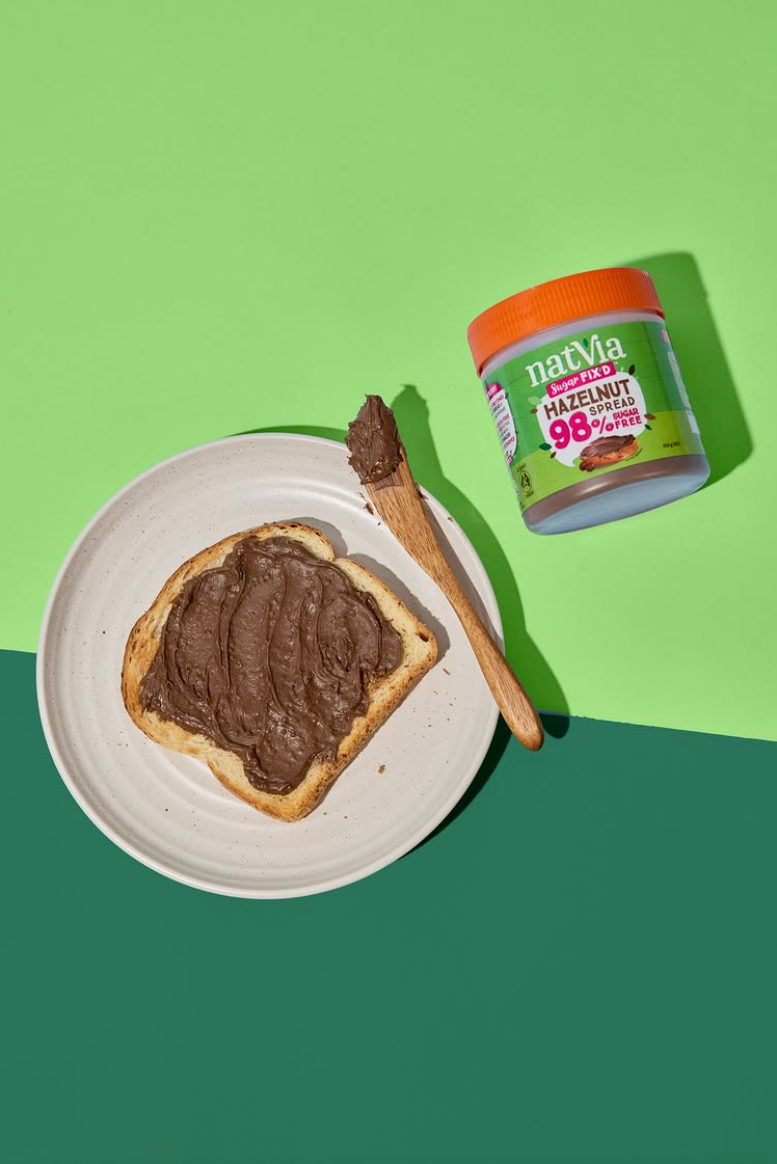
Why the Viral Hack Took Off and What Actually Works If you spent any time on TikTok wellness feeds over the past few years, you probably saw it: a spoonful of coconut oil straight from the jar. No toast, no cooking, no context. Just the claim that it could “switch off” sugar cravings. For a while, coconut oil wasn’t just an ingredient. It became a ritual. A so-called hack to outsmart your brain when dessert cravings hit. Like many viral food trends, it promised control. Eat this one thing, and the craving disappears. No sugar, no indulgence, no guilt. But where did this trend come from, why did it resonate so strongly, and does the science actually support it? When the Coconut Oil Craving Trend Went Viral The coconut oil snacking trend began circulating widely on TikTok and Instagram around 2021, gaining serious momentum through 2022 and early 2023. It sat at the intersection of several popular wellness narratives at the time: Keto and low-carb eating Fat-first approaches to appetite control Anti-sugar and “dopamine detox” culture Quick fixes framed as metabolic hacks Short videos framed coconut oil as a way to “train your body off sugar” or “stop cravings instantly.” The simplicity made it shareable. The extremity made it feel effective. And importantly, it felt productive. Instead of “giving in” to a craving, you were doing something that looked disciplined and intentional. Why People Believed Coconut Oil Would Stop Sugar Cravings From a behavioural perspective, the appeal makes sense. Sugar cravings are rarely just about sweetness. A mix of energy needs, habit, stress, and the desire for comfort or reward often drives them. Coconut oil appeared to address several of these at once: The role of fat in fullness - Fat slows digestion and can contribute to feelings of satiety when eaten as part of a meal. The MCT narrative - Coconut oil contains medium-chain triglycerides (MCTs), which are digested differently from other fats. Online wellness content often frames MCTs as a way to provide quick energy or mental clarity, though these effects vary by individual and context. The sensory disruption effect - A spoonful of coconut oil has a substantial mouthfeel and flavour. That sensory intensity can interrupt a craving cycle, much like brushing your teeth or chewing gum sometimes reduces the desire to snack. What this does not mean is that coconut oil directly suppresses sugar cravings in a targeted or guaranteed way. What the Science Actually Suggests No approved evidence shows that eating coconut oil directly suppresses sugar cravings or trains the brain away from sweetness. What research does support, more broadly, is that: Fat contributes to satiety when consumed as part of a balanced meal Stable blood sugar patterns are influenced by overall dietary patterns, not single foods Restrictive or extreme approaches can sometimes increase preoccupation with food over time Importantly, coconut oil is still a concentrated source of fat and energy, and consuming it on its own does not address the psychological or habitual drivers of cravings. From a food behaviour perspective, using a single ingredient as a craving “off switch” can unintentionally reinforce an all-or-nothing mindset around sugar. Why This Trend Can Backfire For many people, the coconut oil trend didn’t remove cravings. It just postponed them. Cravings are not a failure of willpower. They are often signals tied to routine, emotion, or enjoyment. Replacing a desired sweet food with something that doesn’t meet that need can increase feelings of deprivation. This is why many viral “anti-craving” hacks feel effective in the moment but unsustainable in the long term. They focus on avoidance rather than adaptation. A More Sustainable Way to Approach Sweet Cravings Instead of trying to suppress cravings entirely, a more realistic approach is to work with them. Sweet cravings are often about: Familiar rituals Texture and temperature Emotional comfort Taste satisfaction This is where smart sweetness swaps come in. Instead of worrying, you can reach for a spoonful of Natvia Hazelnut Spread. It’s dairy-free, 98% sugar-free, and gives you the same indulgent satisfaction without the fuss. You keep the flavour and ritual you love, while reducing excess sugar intake. From frozen yoghurt snacks to iced lattes or fruit-forward desserts, satisfaction matters. When people feel satisfied, they are less likely to chase more food later. This approach aligns with long-term habit formation rather than short-term restriction. The Bottom Line The coconut oil trend didn’t go viral because it worked flawlessly. It went viral because it promised control in a space where people often feel out of control. But sugar cravings are not a problem to be eliminated. They are a regular part of eating. Rather than relying on extreme hacks, sustainable choices focus on balance, satisfaction, and consistency. Sweetness does not need to disappear. It just needs to be smarter. Because the goal isn’t to fight cravings, it’s to stop them from running the show.
Learn more
Hidden Sugars You’re Eating Without Realising
Sweetness has a way of sneaking into our diets without asking for attention. It appears in places we barely register, woven into foods that feel practical, nourishing, or simply familiar. Over time, these small and repeated exposures quietly shape how often we crave sugar and how strongly those cravings show up. What makes this pattern so persistent is not indulgence, but subtlety. Hidden sugars can blend seamlessly into daily routines, reinforcing expectations in the brain without ever feeling like a conscious choice. What Hidden Sugars Really Look Like in Everyday Eating Hidden sugars are not necessarily secret ingredients. They are forms of sweetness that appear in foods where people do not expect sweetness, or where the sweetness is gentle enough to feel neutral rather than indulgent. Flavoured yoghurts, bottled smoothies, breakfast cereals, sauces, dressings, snack bars, iced coffees, and so-called healthy beverages often fall into this category. Because these foods are eaten regularly and often without much thought, the exposure accumulates. From a behavioural perspective, the issue is rarely a single ingredient. It is repetition. Repeated exposure to sweetness, even in small amounts, trains the brain to expect it throughout the day. How the Brain Learns to Crave Sugar To understand why this matters, it helps to look at how the brain processes reward. When we eat something sweet, the brain releases dopamine. Dopamine is often described as the pleasure chemical, but its primary role is learning and anticipation. It helps the brain remember what led to a rewarding experience so it can seek it out again. Over time, dopamine is released not only when sugar is eaten, but also when sugar is expected. Time of day, emotional states, or familiar routines like an afternoon coffee or an evening wind-down can trigger this anticipation. This is why cravings often appear before physical hunger sets in. The brain is responding to a learned pattern, not a biological emergency. Hidden sugars strengthen this loop by keeping sweetness present across more eating occasions than we realise. Habit Loops, Anticipation, and Emotional Eating Cravings are rarely about one isolated moment. They are about sequences that repeat. A busy morning might begin with a sweetened coffee. A mid-afternoon dip could lead to a flavoured snack. An evening routine may end with something subtly sweet again. None of these moments feels excessive on its own, but together they create a rhythm. The brain learns that sweetness accompanies productivity, comfort, or relaxation. Once this association is established, the absence of sweetness can feel like something is missing. This is not a failure of discipline. It is how habit learning works. Emotions add another layer to this loop. Stress, fatigue, boredom, and low mood can all increase the desire for sweet foods. Sweetness is familiar, predictable, and immediately reassuring. From a psychological perspective, reaching for sugar during emotional moments is a coping strategy, not a flaw. Hidden sugars complicate this further by blurring the line between eating for nourishment and eating for comfort. When everyday foods quietly contain sweetness, emotional eating can happen without intention or awareness, reinforcing the loop over time. The Gut-Brain Connection and Perceived Cravings Emerging research has drawn attention to the communication pathway between the gut and the brain, often referred to as the gut-brain axis. This system involves nerves, hormones, and chemical messengers that allow the digestive system and the brain to influence one another. Digestive comfort and overall gut environment may play a role in how the body experiences hunger, fullness, and food-related sensations. While this area of research continues to evolve, there is growing interest in how gut signals may influence perceived cravings and appetite cues. This does not suggest that specific foods can cure cravings. Instead, it reflects a broader understanding that physical comfort, digestive regularity, and consistent eating patterns may influence the intensity of cravings. Making Sweetness Intentional, Not Hidden This is why hidden sugars often feel more complicated to manage than desserts. Desserts are intentional. They are chosen, anticipated, and enjoyed. Hidden sugars are passive. They enter the diet quietly and frequently, making it harder for the brain to separate nourishment from reward. Over time, this can leave people feeling as though they are always craving something, even when meals are regular and balanced. The craving is not necessarily for food itself, but for the familiar dopamine signal that sweetness provides. Recognising where sweetness appears is not about fear or restriction. It is about awareness. One of the most important mindset shifts in any healthy reset is removing judgment from cravings altogether. Cravings are not a sign of weakness. They are learned responses shaped by biology, psychology, and environment. Changing patterns does not require perfection. It requires consistency, curiosity, and supportive choices that align with real life. For many people, reducing hidden sugars does not mean removing sweetness entirely. It means choosing where and how sweetness shows up. This is where naturally derived sweeteners like Natvia Gut Activation Sweetener can play a supportive role. Made with stevia and a synbiotic blend of prebiotics and probiotics, it includes ingredients commonly associated with supporting a balanced gut environment as part of a varied diet. Used mindfully, it allows people to maintain familiar rituals like coffee, yoghurt, or desserts without adding unnecessary sugar. No single ingredient changes cravings on its own, but when sweetness becomes intentional rather than hidden, the craving loop may feel easier to manage. A reset does not have to mean cutting everything out. It can be an opportunity to notice what has quietly become normal and to choose what feels more supportive moving forward. Hidden sugars are not the enemy. They are simply part of a food system that prioritises sweetness everywhere. Awareness is the first step toward balance. When routines feel stable and choices feel intentional, craving patterns often soften. And that is where real change begins.
Learn more


Wellness inspiration, straight to your inbox.
Join the Natvia Nourish Club for weekly recipes, wellness tips, and 15% off your first order.