
Nourish Wellness Hub


What Do Mothers Need More Than Gifts This Mother's Day
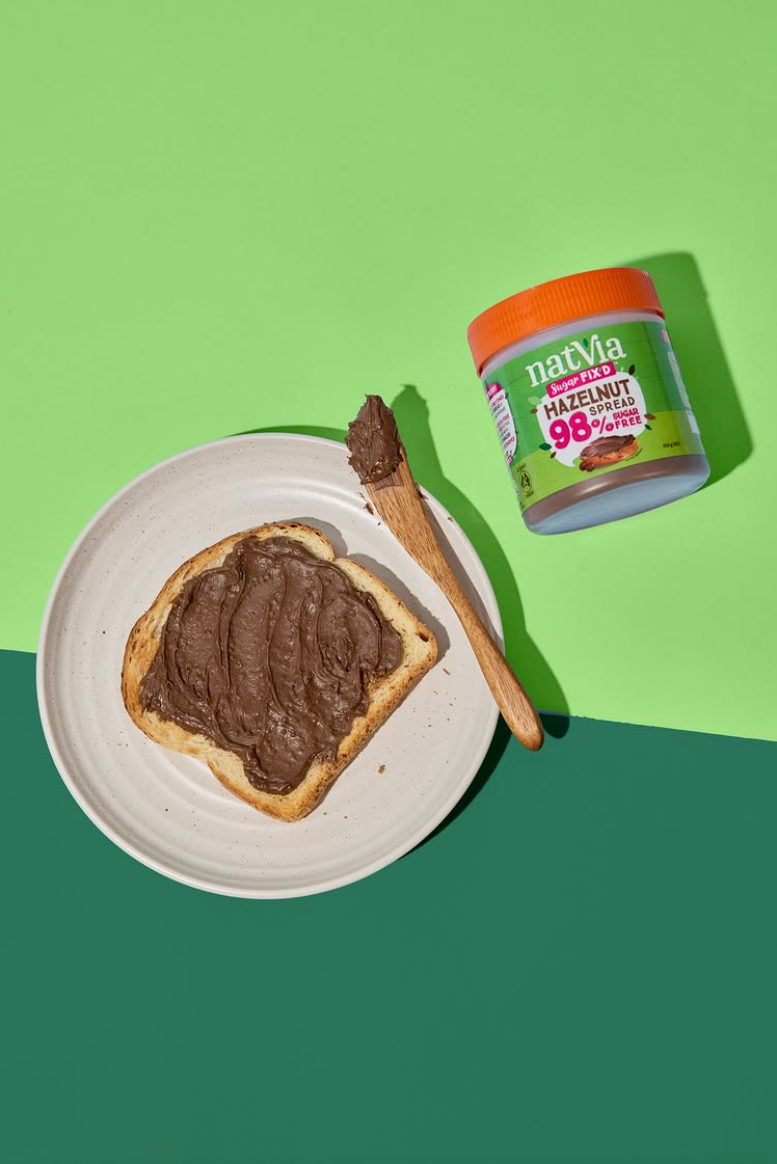
On a Sunday each May, many Australians spend the day celebrating their mothers and the other women in their lives who have shown up in the ways that matter. There will be flowers, cards and breakfast made with the best intentions. The love behind it is real. But for many of the women it is meant to honour, Mother's Day arrives as one more occasion to hold together. Not out of anyone's carelessness, but because the habit of being the person who keeps track of everything does not take a day off simply because the calendar has assigned one. The mental tabs stay open. The quiet awareness of what everyone needs and when, does not quiet itself for a public holiday. It simply continues, underneath whatever else is happening. Motherhood Does Not Have an Expiry Date One of the things that gets flattened in most Mother's Day conversations is how wide the experience is. The category includes the mother of a toddler running on fragmented sleep and a kind of resourcefulness she did not know she had. The mother of teenagers, which is its own particular exhaustion, less physical and more atmospheric. The grandmother who no longer has small children to manage but who has not, for a single moment, stopped carrying her adult children in the part of her mind that is always quietly scanning for how they are doing. The 30-year-old who still calls when something goes wrong, not because there is no one else but because there is something particular about the way she listens. Caring, it turns out, tends not to retire. It adapts its shape across the decades, but the instinct to hold, to notice, to be available without being asked, persists in most women long past the years when it is strictly required. This is one of the more remarkable things about it. It is also, over time, one of the quieter costs. For women in their thirties, forties, fifties, and beyond, the idea that self-care means a cleared afternoon and a booking somewhere tends to register less as aspiration and more as a mild form of irony. What genuinely restores a woman who is always giving is something smaller, more consistent, and considerably more honest than a gift guide tends to suggest. The Invisible Work That Never Clocks Off The barrier to rest, for most women, is not laziness or a failure to prioritise. It is structural, consistent across circumstances, and the research now documents it clearly enough to name directly. Research published in the American Sociological Review, identified the mental load as comprising four distinct cognitive stages that fall disproportionately to women: anticipating what needs to happen, identifying the best options, deciding what fits the family, and monitoring the follow-through. None of these happen at a designated time. They happen in the background of everything else, during the commute, while relaxing, or even at the edge of sleep. They are largely invisible to the people around them, not because those people are indifferent, but because invisible things are genuinely difficult to see without being shown them. The mental work does not ease with professional success. A 2025 study from the University of Bath and the University of Melbourne, drawing on data from 2,133 partnered parents, found that mothers earning over $100,000 did significantly less physical housework than those on lower incomes but carried an identical mental load. Higher earnings reduced the tasks that could be outsourced. The planning, the remembering, however, stayed constant, regardless of income or available time. The researchers described this as "gendered cognitive stickiness": once these tasks attach to a woman, they tend to stay there. When this load goes unaddressed over months and years, it compounds. An article published by the University of Queensland identifies parental burnout as a recognised syndrome resulting from chronic parenting stress, characterised by physical and emotional exhaustion, a growing distance from one's children, and a persistent sense of not being the parent one used to be. The same research notes that it is common for parents, and particularly mothers, to place their own needs last and treat self-care as an optional extra. When a woman feels depleted in ways she cannot quite locate, this is often what is operating underneath. Rest Is Sustainable, Not Selfish There is a version of the self-care conversation that functions, whether intentionally or not, as another form of pressure. The idea that a woman should be doing more for herself, that she is somehow failing at wellness if she cannot find the time, adds a layer of expectation to an already full set of them. But, this is worth resisting. The case for prioritising rest is not that a woman has earned it, although that is also true. It is that the alternative carries a measurable cost. According to the Mayo Clinic, sustained stress without adequate recovery keeps the body's stress response activated over time, with compounding effects on sleep quality, immune function, digestive health, and mood regulation. The University of Queensland research is direct on this point: parents who prioritise self-care tend to have better physical and mental health, feel more confident in their parenting, and are more likely to actually enjoy it. There is also something in the act of sharing responsibility that tends to be underestimated. When the load is distributed more evenly, the person who has been carrying most of it gets something back that rest alone cannot always provide: the experience of not being the only one watching. A woman who allows herself to step back, and who lets others step forward in that space, is doing something for her own wellbeing that the people around her tend to benefit from too, often without quite knowing why. What Women Can Do for Themselves Everyone's version of restoration is different, but the research on burnout is consistent about one thing: small, repeated acts of recovery compound in ways that a single grand gesture does not. The rituals that hold are small enough to happen on a Tuesday, not only on a designated Sunday in May. Start the day with something quiet. The coffee that is drunk before anyone else is awake is a few minutes of existing without being needed. For many women, that is genuinely rare across an ordinary week. A short walk before the school run, five minutes with a journal, or simply sitting with the morning light without a screen: these are not productivity tools. They are the kind of low-stimulation quiet that the nervous system recognises as recovery, even in brief doses. Move for the feeling, not the outcome. Exercise done out of obligation adds to the list of demands. Movement chosen for pleasure, a slow walk, a swim, stretching on the floor with music that actually appeals, tends to discharge accumulated stress in a way that structured exercise sometimes does not. The University of Queensland research names physical activity and social connection as among the most consistently protective factors against parental burnout. Spend time with people who give energy back. The same research identifies social support as a key buffer against burnout, and this is worth taking seriously. A conversation with a close friend, a shared meal that does not require managing, time with people around whom a woman can simply be herself rather than the person holding everything together: these tend to restore in ways that solitary rest sometimes cannot. Let the evening wind down properly. The hours before sleep are where the nervous system is most sensitive to disruption. Dimming lights, stepping away from screens, and building a consistent pre-sleep ritual gives the body a clear signal that the day is ending. A warm drink built around chamomile and lavender, ingredients associated with a calming effect on the nervous system, can anchor that ritual without the blood sugar fluctuation that would quietly undermine the rest it is meant to support. Natvia's Relax Hot Chocolate contains 97% less sugar compared to standard hot chocolates. Choose sweetness with intention. The treat that is eaten on purpose, in a moment that is chosen rather than grabbed between tasks, registers differently in the body and in the experience of the day. Natvia's Hazelnut Spread, with the same familiar richness and considerably less sugar, turns something quick into something that genuinely lands as a moment. The indulgence is real. What it asks of the body an hour later is different. None of these require a special occasion to begin. They require only the decision, made quietly and repeated often enough, that some part of the day belongs to the person living it. This Weekend, and the One After That If you are doing something for a mother this weekend, the most honest question is probably not what she would like but what she tends not to give herself, and whether your gesture makes that easier rather than adding to the list of things she will quietly organise around it. Time taken off her hands so she can take the walk she keeps almost taking. A small ritual made possible by the fact that someone else thought about it first. These are not grand gestures. They are the kind of thing that reaches the part of a person that grand gestures tend to miss. And for the women reading this: the permission to put something down, even briefly, does not require a special occasion. It is available on an ordinary Wednesday, at the end of a week that asked too much, in the few minutes before the household's demands begin. The caring that defines so many women's lives across so many years is real and it matters deeply. Looking after yourself is not the opposite of looking after the people you love. For most women, it is what makes that sustainable.
Learn more


Wellness inspiration, straight to your inbox.
Join the Natvia Nourish Club for weekly recipes, wellness tips, and 15% off your first order.