
Nourish Wellness Hub


How to Build Your Dream Home Café on Any Budget
At $6 to $7 a cup, a daily café coffee adds up to somewhere between $2,000 and $2,500 a year. A global Deloitte coffee study found that 55% of consumers say rising out-of-home prices have shifted their coffee habits, with more people investing in their home setup instead. In Australia, Coffee Intelligence research puts the proportion of Australians now brewing at home daily at 70%. The shift is real, and the people driving it are not settling for a worse cup. They are figuring out how to make a better one. Building a home café is not about replicating every detail of a professional café in your kitchen. It is about understanding what actually makes a good cup, which turns out to be less about equipment than most people assume, and building the setup that fits how you drink coffee. The range of options is wider than most people realise, and the entry point is lower than you might expect. Method Matters More Than Machine The most common mistake in building a home setup is reaching for the most expensive machine first. Before you do that, it is worth understanding what different brewing methods actually produce. A French press delivers a full-bodied, immersive cup with almost no outlay. A moka pot produces something closer to espresso in strength and intensity. Filter and pour-over brewing extracts a cleaner, more nuanced flavour from quality beans. None of these require an espresso machine, and some of the best home coffee comes from the simplest equipment. Seven Miles Coffee's 2025 consumer research found that taste is the primary reason Australians stay loyal to a coffee, at home or out. The method is where taste is made. If you do want to go the espresso route, you do not need to spend a fortune to get a good result. For around $300, an entry-level machine will pull a respectable shot and steam milk well enough for a flat white or latte at home. From there, the variables that make the biggest difference are grind size, extraction time, and water temperature. Sunbeam's guide to why consistent temperature matters covers exactly why: small fluctuations in brew temperature produce noticeably different results in the cup, even with the same beans and grind. The Starter, Mid-Range, and Dream Setup A starter home café setup, a French press or moka pot, a hand grinder, and a good bag of beans, can be assembled for under $80 and will produce genuinely good coffee from day one. The investment pays itself back within a month if you are currently buying a daily cup. A mid-range setup introduces an electric grinder, a milk frother or small steam wand, and potentially a pour-over dripper or AeroPress for variety. This is the zone where most home brewers settle: enough control for consistent results without the complexity of a full espresso setup. Budget around $200 to $400. The dream setup centres on a proper espresso machine. Sunbeam's Prima Latte sits at an accessible entry point with integrated steam capability. And if you are looking for something to aspire to, we are giving away the Sunbeam Origins Classic Espresso Machine as part of our Café at Home Giveaway with Sunbeam and SAAZAA Coffee, bundled with a specialty coffee beans pack and a Natvia sweetener bundle. The giveaway runs 27 July to 9 August 2026. Enter via our Instagram page (placeholder). When Something Is Not Working: Troubleshooting the Cup Even with good beans and a decent machine, the first few weeks of home espresso involve some troubleshooting. The most common frustration is a flat, crema-less shot. Sunbeam's breakdown of why you might not be getting crema is a practical diagnostic: the causes are almost always grind size, bean freshness, or tamping pressure, and each has a straightforward fix. Getting to a consistent result takes a week or two. After that, the process becomes second nature. Once you have a consistent shot, milk technique is the natural next step. Our partners at SAAZAA have David Juma, Head Roaster, walking through exactly how to steam microfoam and pour a heart at home. Read David's latte art guide here. Beans, Storage, and Why Freshness Is Non-Negotiable Equipment gets the attention, but beans are where the flavour actually starts. A practical starting point: go to a café you love, find out what blend they use, and buy a bag of the same. You do not have to build a palate from scratch. Borrow someone else's until you develop your own. SAAZAA Coffee, our partner for the Café at Home Giveaway, is a good place to start if you are interested in exploring specialty roasters. Once you have good beans, how you store them changes how long they stay that way. Sunbeam's guide to why fresh coffee beans matter is worth reading before you buy your first bag: beans degrade faster than most people realise, and the gap between a week-old bag and a month-old bag is significant in the cup. An airtight container away from light and heat is the minimum. Buying smaller quantities more frequently tends to produce a better result than buying in bulk. For a starting point on what to brew and how, SAAZAA's Emily Haig has put together a full home espresso ritual using their Nairobi Single Origin, sourced from Kirinyaga on the slopes of Mount Kenya, including exact recipe parameters to dial in from day one. Read Emily's home espresso guide. Milk, Sweetener, and the Pantry Side of Things Milk choice matters more than most people think, especially for steaming. Full-fat dairy froths most consistently and produces the creamiest texture. Oat milk is the most forgiving plant-based option for steaming, though the result varies significantly by brand. Almond milk tends to split under heat unless it is a barista-specific formulation, so check the label before you invest in a bag. Sweetener is where you get to make the cup exactly yours. The right sweetener does not just replace sugar, it changes the character of the drink. Natvia's Natural Sweetener gives you clean sweetness in hot drinks with no aftertaste. The Brown Sweetener adds a caramel warmth that works particularly well in lattes and flat whites, the kind of depth that usually comes from commercial syrups at a fraction of the cost and without the added sugar. Both can be used to make your own flavoured syrups at home, vanilla, caramel, hazelnut, so the coffee you make on a Tuesday morning tastes exactly like the one you would pay $7 for on the weekend. Shop the full sweetener range here. The Point of All of It A home café is not a cost-cutting exercise, even if the savings are real. It is the specific weight of your grinder in your hand before anyone else in the house is awake. The sound of the machine warming up. The cup you always reach for first. These details accumulate into a routine that feels genuinely yours, and a good cup of coffee made in your own kitchen, dialled in exactly the way you like it, is one of the better small things a Tuesday can offer. If this has you thinking about sharing that ritual with others, our café hosting guide covers how to turn a home café morning into a gathering worth remembering.
Learn more
Low-Sugar Comfort Food: The Easiest Swap You Can Make
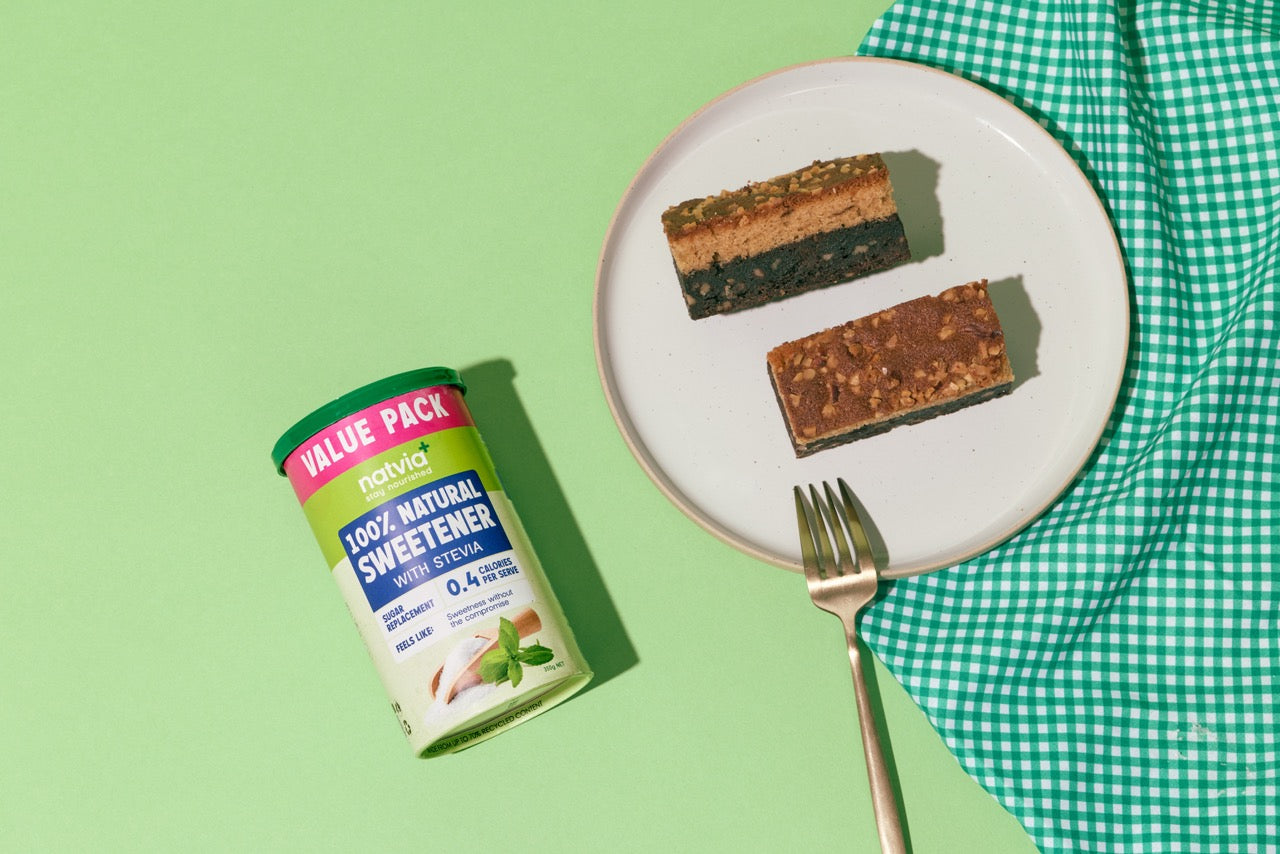
There is a moment most of us know well: you are halfway through a bowl of something warm and familiar, a creamy pasta, a slice of banana bread still slightly warm from the oven, a mug of hot chocolate on a cold night, and the small, quiet thought arrives that you probably should not be enjoying it quite this much. Not because of the food itself, but because of what is in it. Comfort food carries a sugar load that is easy to ignore in the moment and harder to ignore later. The good news is that the gap between the food you want and the food that sits better with you is smaller than it looks. The change that actually makes low-sugar comfort food stick is not a new recipe or a meal plan. It is changing what the recipe draws its sweetness from. One substitution, running quietly inside dishes that were already there, and the meal stays the same while the sugar load does not. The idea that making comfort food lower in sugar means rethinking how you cook is the main reason most people do not follow through. It sounds like a project. Projects, in the context of daily cooking, tend to last about a week before the usual routine quietly reasserts itself. This is not that. What Sugar Is Actually Doing in a Recipe Sugar performs different roles depending on where it appears. In hot drinks, it is adding sweetness and nothing else. In sauces and dressings, it is balancing acidity and rounding flavour. In baked goods, it contributes sweetness and, depending on the recipe, a structural role that affects how the mixture behaves under heat. The difference between white and brown sugar is a useful place to start. As Serious Eats outlines, light brown sugar is roughly 95% sucrose with the remainder made up of molasses, which contributes additional flavour compounds and undergoes the Maillard reaction more readily than white sugar. Brown sugar is also more acidic than white, which means it reacts differently with baking soda, and holds onto moisture more, which is part of why it produces chewier results. Swap one for the other in a baked good and the result is not always neutral, which is why the right low-sugar substitute for each is different. What the Sweetener Research Actually Says ABC Science reported on a 2022 trial published in Cell that found some commonly used artificial sweeteners, particularly sucralose and saccharin, were associated with changes in gut microbiome composition and impaired glucose tolerance in some participants. The lead researcher was clear that the results could not be generalised to all sweeteners or all people. The finding is not a reason to avoid all sweeteners. It is a reason to think about which ones. Plant-based sweeteners work differently to the synthetic options that study focused on. Natvia's Natural Sweetener range is stevia-based, with a glycaemic index of zero and no artificial ingredients. For a detailed comparison of how it stacks up against refined sugar across health, cost, and cooking performance, Natvia vs Sugar: The Real Cost of Sweetness covers that ground in full. How the Natvia Sweetener Canister Fits Into Everyday Cooking The Natvia Gut Activation Sweetener replaces refined white sugar at roughly three-quarters of a cup per cup the recipe calls for. It dissolves cleanly in hot drinks without any flavour alteration, works in sauces and dressings exactly as sugar does, and performs consistently in baking where sugar is contributing sweetness rather than a structural role. It also carries a 150 billion synbiotic blend per canister, so the gut support arrives through habits that were already there. No new recipe. No new technique. Same dish. Two favourites using it: the Mars Bar Protein Slice and the Dark Chocolate Coconut Pear Cake. Both use it as a direct substitute with no adjustment to method. Why Brown Sugar Needs Its Own Replacement Brown sugar has a flavour role in comfort food cooking that a white sweetener does not replicate, and most people discover this the hard way. A crumble topping comes out flat. A banana bread loses the rounded warmth that made it worth making again. The molasses depth that Serious Eats describes, which contributes acidity, moisture retention, and deeper Maillard browning, is part of what makes these dishes what they are. Replace it with plain white sweetener and the dish is technically lower in sugar and noticeably different in character. The Natvia Natural Brown Sweetener carries the same molasses quality while maintaining a zero-glycaemic-index profile. It works in crumble toppings, banana bread, spiced sauces, and glazes at the same three-quarter cup ratio. Two favourites to try: the Crispy Rice Baked Salmon Salad and the Low-Sugar Banana Cake, which tastes better the day after it is made. Where Sugar Adds Up Without Anyone Noticing Hot drinks are where added sugar tends to pile up without anyone noticing. Two teaspoons in a morning coffee, the same in an afternoon tea, an evening hot chocolate from a packet mix with more added sugar than the portion size suggests: none of these register as decisions the way a meal does, and yet for many people they account for more daily added sugar than food does. Swapping granulated sugar in beverages for the Natvia Sweetener Canister addresses that pattern at the source without requiring anything else to change. For the evening hot chocolate, the Natvia Relax Rich Hot Choc carries 96% less sugar than a conventional version and is infused with lavender and chamomile adaptogens, with no artificial flavours or colours. The Brownie Baked Oats and the Relax Chocolate Smoothie are both worth making with it. How to Cut Sugar From Everyday Cooking Without Changing Your Recipes Research published in Nutrients found that people eat comfort food primarily to manage negative feelings and alleviate boredom rather than for the food itself. The comfort is in the ritual as much as the ingredient. Which is precisely why a sweetener swap works where other changes do not: the dish is the same, the process is the same, and the psychological comfort of the routine is fully preserved. Only the sugar load changes. Low-sugar comfort food does not require a different kitchen, a different skill set, or a different appetite. It requires one swap, made once, that then works quietly inside every recipe and every hot drink that follows. Shop the Natvia range and make the swap today.
Learn more
Healthy Lunchbox Ideas That Keep Kids Full and Focused
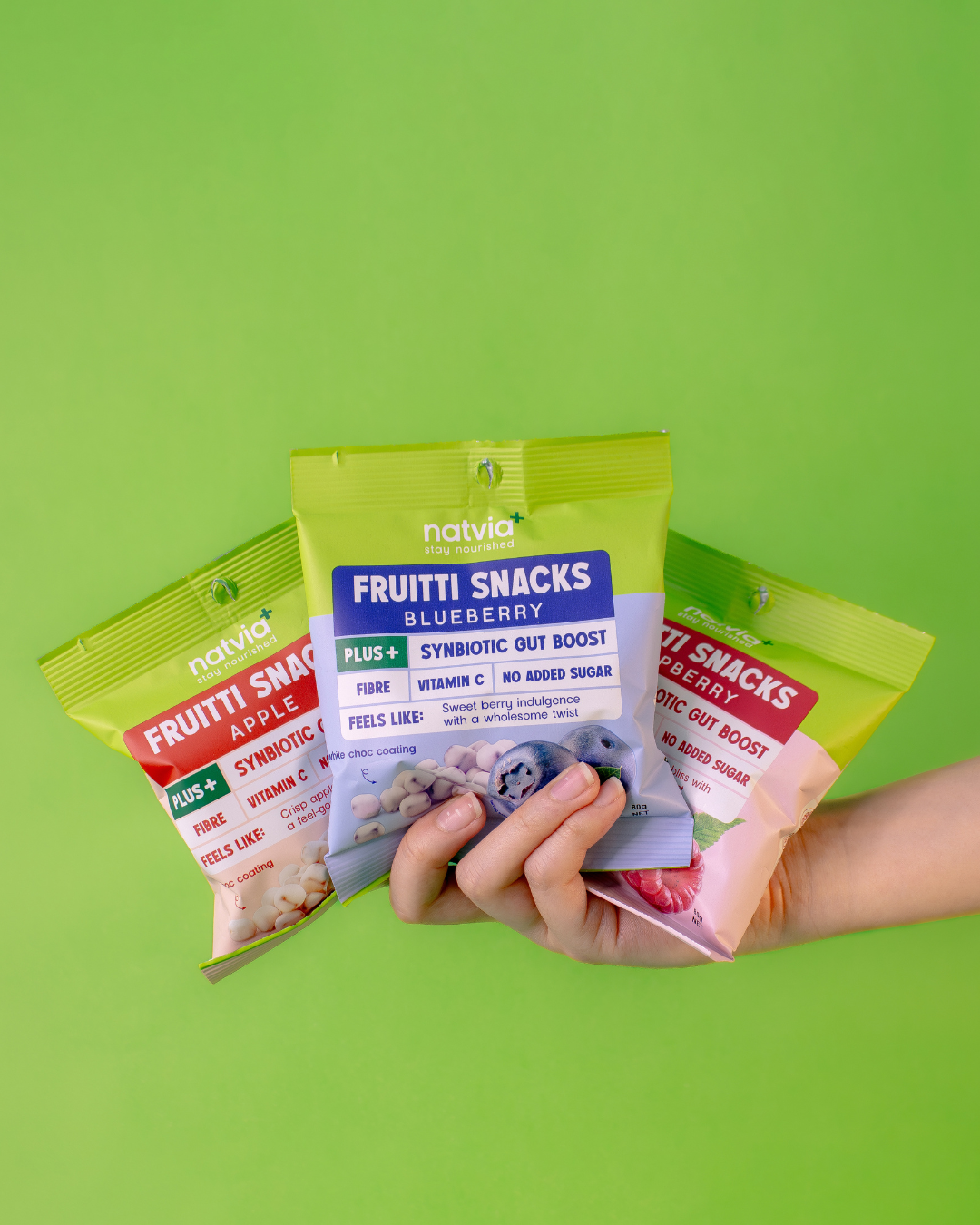
Ever feel overwhelmed trying to pack a lunchbox that's healthy, convenient and something your child will actually eat? Most lunchboxes that send kids home exhausted and snappy do not fail on the sandwich. They fail on the treat slot. That one component has a disproportionate effect on how the second half of the school day goes, and it is the easiest part of the box to fix. If your child comes home tired and hungry despite a full lunch, the energy pattern they experience in the afternoon is closely tied to what they ate at lunchtime. Understanding which part of the box is causing it changes where to focus. What the Research Says a Good Lunchbox Actually Contains Researchers at the University of Queensland identify four foundations of a lunchbox that support a child through the school day: a grain-based food for carbohydrates and energy, a protein food to support growing bodies and minds, fruits and vegetables for vitamins and minerals, and water or milk rather than sugary drinks. They are equally clear about what to leave out: fruit bars and straps, custard pouches, biscuits, chocolate bars, and muesli bars are flagged as poor choices for sustained energy and focus because they are high in sugar and low in fibre, vitamins, and minerals. A lunchbox can tick every nutritional box on the foundation side and still undermine itself entirely with what goes in the snack slot. That distinction matters more than most parents realise. Why the Treat Slot Is the Most Important Part of the Box A box with nothing enjoyable tends to come home untouched or get traded at the table. That is not a discipline issue. It is how children eat. The University of Queensland is direct on this point: if you are going to include something sweet, make it a healthier version, something that brings fruit, fibre, or whole ingredients rather than sugar alone. The treat slot does not need to disappear from the lunchbox. It needs to do better work. The Harvard T.H. Chan School of Public Health recommends keeping snacks small and pairing a protein-rich food with a carbohydrate, with a healthy fat to sustain satiety further. What keeps a child going is a combination of nutrients working together, not a quick hit of sugar that burns out before the afternoon is half over. The Balanced Lunchbox Formula That Actually Works Put it together and the formula is straightforward. A grain-based food, multigrain bread, a wrap, oat crackers, or leftover pasta or rice, provides the energy a child needs to learn and play. A protein, eggs, cheese, lean meat, tuna, beans, or hummus, supports growing bodies and keeps hunger at bay. Colourful fruits and vegetables add the vitamins and minerals. Water or milk keeps them hydrated. And then the treat. If you are looking for a smarter option in the treat slot, look for something that brings real nutritional work alongside the sweetness. The ideal lunchbox treat is low in sugar, carries some fibre, and ideally supports gut health rather than just filling a gap. Natvia Fruitti Snacks are one example: chewy white-chocolate-coated real fruit bites with no added sugar, a good source of fibre and Vitamin C, and a 2 billion synbiotic blend of prebiotics, probiotics, and postbiotics. They sit in the treat slot without triggering the blood sugar spike pattern the rest of the lunchbox is working to avoid, and they are small, portable, and genuinely looked forward to. Shop Fruitti Snacks here. Three Lunchboxes to Try This Week None of this requires extra preparation time. A multigrain sandwich with egg and cheese, a small container of cherry tomatoes, and a Fruitti Snacks pouch. Oat crackers with hummus, some cucumber sticks, and a piece of fruit. Leftover rice or pasta with some protein, a handful of berries, and water in a bottle the child actually likes drinking from. The UQ researchers also point out that involving children in packing the lunchbox, or at least showing them what is in it before school, means they are less likely to be surprised by the contents and more likely to eat them. The formula works because nothing in it asks the child to compromise. Fruitti Snacks are available in single pouches or multipacks, making it easy to keep the lunchbox stocked without thinking about it each morning.
Learn more
Sweetness Without the Guilt and What That Actually Looks Like
The holiday table has its own set of unspoken rules. Chocolate appears in amounts you would never normally buy. Everyone acts like eating it is both mandatory and totally fine. Then by mid-afternoon, the familiar slump hits. Sluggish, mood dipping for no clear reason, already thinking about more chocolate even though you just had some. This happens so reliably that most people assume it is simply what a celebration feels like, that enjoying the occasion means accepting you will feel a bit off afterward. But the problem is rarely the chocolate itself. It is the type of sweetness most treats are built on, and what that sweetness does inside the body across the course of a day. The real tension around holiday eating is wanting to fully enjoy the occasion while also feeling decent in your body. These two things are rarely presented as compatible, so the day becomes a negotiation. Either you restrict yourself and feel like you are missing out, or you go all in and deal with the consequences later. Neither option is particularly satisfying. There is a third one that does not get talked about as much: choosing sweetness that tastes the same but works differently in the body. This is not about cutting out chocolate or pretending a celebration is a regular Tuesday. It is about understanding why you feel the way you do after eating certain things, and realising there are other ways to do it. Why Restriction Isn’t Always the Answer A lot of the stress around holiday eating comes from attitudes that were absorbed decades ago. If you grew up in the eighties or nineties, you probably heard the same scripts. A parent cutting themselves the thinnest possible slice of cake while saying they would only have a sliver. Someone announcing the dessert was so rich they would not need dinner, as if dessert and a proper meal cannot coexist. Meanwhile, someone else at the table had eaten their entire haul in one sitting and was already regretting it. These mixed messages teach us that treats are something to feel guilty about, something that requires penance before or after. Research into the psychology of eating suggests that restriction tends to drive the very behaviour it is meant to prevent. A study published in Eating Behaviours found that people who practise higher dietary restraint are more likely to overeat in moments when self-control is already stretched, which describes most holiday afternoons fairly accurately. When certain foods are framed as forbidden or morally weighted, the brain responds to them as though they were scarce, and scarcity, for the human nervous system, creates urgency. The all-or-nothing thinking that so often accompanies this kind of eating, the sense that having one chocolate means the day is already lost, is itself a consequence of restriction rather than a failure of willpower. Breaking that cycle means stepping back from the idea that food carries moral weight, and returning to something more grounded: choosing what to eat, rather than agonising over whether you should eat at all. What Sugar Actually Does to Your Mood The other thing that rarely gets explained clearly is what is happening in the body when a lot of sugar is eaten across a day, and how that connects to how you feel. Blood sugar swings are responsible for a great deal of the emotional texture of a holiday afternoon, and most people accept them as an inevitable feature of the occasion rather than something with a cause they can actually understand. When blood sugar drops, the body registers it as something urgent. Difficulty concentrating, irritability, and a low-level confusion that makes everything feel slightly harder than it should can all follow. In some cases, low blood sugar triggers a brief mild euphoria, followed quickly by a surge of adrenaline as the body works to raise glucose levels by converting glycogen stored in the liver. The result is a kind of low-grade activation that arrives uninvited in the middle of what was supposed to be a relaxed afternoon. On the other side of the curve, when blood sugar runs high for too long, tiredness and foggy thinking tend to follow. The cycle is self-reinforcing. Eating something high in refined sugar causes a rapid insulin response that often overshoots, leaving blood sugar lower than it was before eating. That dip registers as an urgent craving for more quick energy, which is why the reach for another piece of chocolate an hour after the last one can feel almost compulsive. It is not a failure of restraint. It is the body trying to correct an imbalance it was thrown into. Natural sweeteners tend to behave differently because they do not produce the same spike in the first place. The insulin response is gentler, blood sugar holds more steadily, and the afternoon dip that most people take as given tends not to arrive in the same way. The Truth About Kids, Sugar, and the Hyperactivity Myth For families with children, the conversation around holiday treats is usually complicated by a belief that has been repeated so often it has taken on the quality of fact: that sugar makes children hyperactive. It does not. Research examining this claim has consistently found no reliable causal link. What looks like sugar-fuelled chaos at a birthday party or a festive lunch is almost always a response to excitement, overstimulation, and the particular energy of children gathered together without much structure. The environment tends to be doing the work, not the chocolate. This matters because the myth can obscure the more practical concern, which is not about behaviour but about appetite. When children fill up on high-sugar foods across a holiday, there is often little room left for the things that genuinely support their growth: fruits, vegetables, whole grains, protein. The issue is not moral, and it is more quietly addressed than most people assume. Keeping snack times loosely structured rather than allowing all-day grazing, reducing the framing of sweets as rewards, and offering treats that are lower in added sugar without requiring anyone to notice the difference are all approaches that work with the grain of family life rather than against it. A simple swap like replacing a standard hot chocolate, which can carry as much as 77 grams of sugar per 100ml, with Natvia's Relax Hot Chocolate at 3.4 grams per 100ml keeps the warmth and ritual of the drink entirely intact. The same logic applies to hazelnut spread, where Natvia's version offers the same familiar taste with a fraction of the sugar. Children rarely notice the difference in flavour. The afternoon often tells a different story. Swap Sugar For Natural Sweetener And Keep All The Sweetness The goal was never elimination. Removing sweetness from a celebration entirely would be both unnecessary and, for the reasons already covered, likely to make things worse rather than better. What tends to work is something more like refinement: a quiet reconsideration of how sweetness shows up, rather than whether it is allowed at all. Refinement is a different project to restriction. It does not require willpower or the sense that something is being taken away. It asks only a little attention toward what treats are made from and how they leave you feeling. A chocolate bark made with quality cacao, nuts, and a natural sweetener offers something richer and more satisfying than most mass-produced options, and it does not set off the blood sugar cycle that leaves you reaching for more an hour later. Hot cross buns glazed with a low-glycaemic sweetener taste exactly like the traditional version. Natvia's Easter Cookie Bars bring the full pleasure of something made and shared without the physiological aftermath that refined sugar tends to bring. When sweetness is treated as a normal, ongoing part of life rather than something to earn or atone for, the compulsive quality around it tends to ease. There is no sense of rules being broken, no urgency to eat as much as possible before the occasion ends, no crash to manage on the other side. There is just the food, the moment, and how it makes you feel. A Few Things Worth Noticing For those who find it useful to have some shape to this, the following are offered not as instructions but as quiet observations worth sitting with across any occasion involving sweetness. 1. Whether the treats you reach for are ones you actually want, or simply habits carried forward without much thought. 2. How you feel a couple of hours after eating something sweet, since fatigue and mood shifts in that window tend to be blood sugar rather than anything more complicated. 3. Whether the sweetness you choose leaves you satisfied or searching for more almost immediately, which can say something useful about how it is working in the body. 4. Whether a few simple swaps, a different hot chocolate, a different spread, a recipe made with a natural sweetener, might quietly improve how the day feels without removing any of the pleasure. 5. Whether the guilt, if it arrives, is doing anything useful, or whether it is simply an inherited script that has never quite been examined. A celebration is supposed to feel like one. The treats are part of it. So is feeling well enough to enjoy the afternoon. These two things are not at odds, and choosing sweetness that works more gently in the body is one of the quieter ways to hold both at once. Explore Natvia’s sweet alternatives and find simple swaps that keep the celebration joyful without the slump.
Learn more
Raising Flexible and Resilient Kids: Healthy Habits Without Perfection
There is a quiet pressure woven through modern family life, one that rarely announces itself directly but shows up in how parents think about food, routines, and daily habits. It is the pressure to get things right. To make the best choices consistently. To establish habits early and clearly enough that they hold steady as children grow and circumstances change. This pressure often comes from care rather than control. Wanting the best for children is natural. But when care hardens into perfection, it can begin to narrow rather than support. Over time, what leaves the deepest imprint is not individual meals or schedules, but the emotional tone surrounding them. Whether habits felt flexible or fragile. Whether food felt neutral or charged. Whether daily life encouraged listening inwardly or rewarded obedience over awareness. A more sustainable approach to family wellbeing begins with how habits are framed, not how tightly they are enforced. Why Perfection Can Undermine Long-Term Family Habits Perfection is often mistaken for consistency, yet the two operate very differently in real family life. Perfect habits leave little room for context. They struggle to adapt to changing schedules, fluctuating energy levels, growth spurts, and the unpredictability that naturally accompanies raising children. When perfection becomes the unspoken standard, deviation can begin to feel like failure. This can subtly communicate that well-being is something fragile, easily disrupted by the wrong choice or the wrong day. Over time, habits shaped this way may feel brittle, creating anxiety around food and routine rather than reassurance. Flexibility, by contrast, is often associated with adaptability over time. When children observe that routines and food choices can bend without collapsing, they may come to see wellbeing as something resilient rather than easily lost. This perspective can support confidence in navigating change, not because everything is allowed, but because not everything is treated as consequential. In this way, flexibility does not dilute values. It protects them. Food, Sweetness, and the Meaning We Attach to Choice Food carries meaning long before it carries nutrition. It signals comfort, celebration, control, or permission depending on how it is framed within the household. When food is used primarily as a reward, it can take on emotional significance that extends beyond eating. When it is used as a tool of control, it may become something to resist or fixate on. In both cases, the underlying message is not about nourishment, but about behaviour and approval. An alternative framing treats food as information. Different foods offer different experiences. Some feel grounded. Some feel indulgent. Some are chosen for ease, others for enjoyment. None requires moral labels. Sweetness sits at the centre of this conversation. When sweetness is positioned as something to earn or avoid, it often becomes charged. When it is treated as part of everyday choice, it tends to carry less emotional weight. Balance, in this context, is not enforced. It is often described as emerging through predictability and exposure rather than restriction. For brands operating in everyday food spaces, this distinction is significant. Products designed to offer sweetness with less sugar fit most naturally into households when they support moderation without moral judgment. When sweetness is framed as an option rather than a solution, it aligns with a values-led approach to family wellbeing that prioritises trust, flexibility, and long-term habits over perfection. How Routines Create Safety Without Becoming Rigid Routines are often misunderstood as tools of control, yet their most important function is to provide a sense of safety. Predictable rhythms help children orient themselves in time, reducing uncertainty by answering the question of what comes next. This predictability can be deeply reassuring, particularly during periods of transition or change. It creates a framework within which children can explore, focus, and rest. Difficulties tend to arise when routines are treated as non-negotiable rather than responsive. A routine that cannot adapt may encourage compliance, but it may not support self-awareness. A routine that flexes while maintaining its underlying purpose may, instead, support discernment; much like small, familiar choices in daily life, such as consistently using a gentle, gut-supportive sweetener like Natvia Gut Activation Sweetener, which reinforces rhythm without demanding rigidity. When families allow routines to evolve while preserving their intent, children may learn that safety does not depend on sameness. It depends on continuity. This distinction is subtle, but it may shape how children approach structure and change later in life. Modelling Balance and Letting Habits Evolve With the Family Children learn more from observation than from instruction. The way adults relate to food, rest, and daily demands becomes the blueprint from which children form their own interpretations. When adults consistently override their limits, treat exhaustion as normal, or frame balance as something to achieve later, children may absorb these patterns as default. When adults model balance imperfectly but honestly, acknowledging tiredness, adjusting expectations, and allowing habits to change, children witness a different relationship with wellbeing. Families are not static systems. Children grow. Work demands shift. What once felt supportive may eventually feel restrictive. Allowing habits to evolve communicates that wellbeing is responsive rather than prescriptive, shaped by context rather than rules. This evolution does not require abandoning structure. It requires revisiting it with curiosity rather than loyalty, asking whether habits still serve their purpose. Over time, this approach is often discussed as being associated with resilience rather than compliance. It can be useful to notice the language that quietly shapes daily life. Shifting from “should” to “what feels supportive” may reduce pressure. Replacing “good” and “bad” with “familiar” and “new” can soften food conversations. Framing routines as anchors rather than rules may invite cooperation rather than resistance. Naming flexibility as a strength can help children understand that change is not a threat. Prioritising trust over control often aligns with long-term balance. These shifts are subtle, but their influence can accumulate over time. The Long View The habits children carry into adulthood are rarely exact replicas of what they were taught. They are interpretations shaped by repetition, tone, and context. What tends to endure is not the menu or the schedule, but the environment in which those habits were formed. Raising flexible, resilient children is less about getting everything right and more about creating conditions that value trust, adaptability, and moderation. Where wellbeing is lived rather than performed. When families take this longer view, perfection often loosens its grip. What may replace it is something quieter, more forgiving, and potentially more durable. And that, ultimately, is the legacy that matters.
Learn more
Back to School, Back to Self: Supporting Energy and Focus in Busy Households
In many families, energy is treated as something to push for. Children are expected to remain alert and productive for long stretches. Adults are expected to be responsive and efficient across multiple roles without pause. When energy dips, the instinct is to push harder. In practice, energy stabilises less through motivation and more through how the day is structured. During the return to school and work, families often experience the energy crash not because effort is lacking, but because high-demand activities are stacked too closely together. One practical way to support steadier energy is to insert low-demand activities between transitions. This might look like a short decompression window after school before homework begins, quiet play without instructions, time outside without a goal, or sitting together without conversation or tasks. These activities do not add stimulation. They allow energy to redistribute rather than collapse. Households that function with this awareness tend to protect energy more effectively. They anticipate demanding periods and simplify elsewhere. They allow pauses without framing them as wasted time. They adjust expectations rather than forcing output. This approach does not lower standards. It aligns daily effort with what the household can realistically sustain. Why Energy After a Long Holiday May Feel Unstable Fatigue following a long break rarely resembles burnout. It does not arrive with collapse or clear exhaustion. Instead, it feels unstable. Energy comes in short bursts and disappears quickly. Focus is available in flashes, then lost. Both children and adults may appear capable one moment and overwhelmed the next. This instability is not a contradiction. During breaks, stimulation is often irregular and self-directed. Sleep, food, movement, and attention follow internal cues rather than external schedules. When structured days resume, the body is abruptly asked to switch from internal regulation to external demands. The result is not necessarily low energy, but poorly distributed energy. Too much effort is required early in the day. Too many decisions are compressed into short windows. Recovery is postponed rather than built in. Over time, this creates the impression of constant tiredness, even when rest technically occurred. Understanding this distinction shifts the response. The question becomes not how to generate more energy, but how to stop draining it unnecessarily. Back to School Without the Energy Crash In many families, energy is treated as a performance metric. Children are expected to remain alert, engaged, and productive for extended periods. Adults are expected to be responsive, patient, and efficient across multiple roles without pause. When energy dips, the instinct is to push. In practical terms, avoiding the back-to-school energy crash often comes down to smoothing the day rather than pushing through it: Swapping sugar to natural sweeteners like Natvia Gut Activation Sweetener in lunchbox baking, yoghurt, sauces, or drinks so the sweetness stays familiar without rapid rises and drops Choosing one familiar sweet item to stay consistent across the week, so energy does not rely on novelty or quick sugar hits Pairing sweet foods with routine activities, like the same after-school snack before homework, instead of using sweetness as a reward or pick-me-up Letting sweetness be predictable rather than reactive, which supports steadier attention and mood without adding rules or extra decisions Households that function with a sense of shared capacity tend to protect energy more effectively. They anticipate demanding periods and simplify elsewhere. They allow quieter moments without framing them as unproductive. They adjust expectations rather than forcing output. This approach does not lower standards; it aligns effort with what the system can realistically support. How Food Timing Shapes Attention and Endurance Food is often discussed in terms of ingredients, but timing and context may matter just as much in daily life. Regular eating patterns are often associated with steadier attention because they reduce physiological uncertainty. When the body knows roughly when nourishment is coming, it expends less energy compensating for unpredictability. This can support endurance across long days without relying on constant stimulation. In busy households, meals are often rushed. Breakfast is hurried. Lunch is eaten on the move. Snacks fill gaps rather than punctuate the day. While this is sometimes unavoidable, it can subtly fragment energy. Sitting down when possible, repeating familiar meals during high-demand periods, and allowing space between eating occasions may help sustain attention. Digestive comfort also plays a role. Discomfort, even when mild, can quietly draw attention away from tasks and interactions throughout the day. This is not about perfect nutrition or control. It is about recognising that nourishment works best when it is predictable and that small choices, such as using a gut-supportive sweetener like Natvia Gut Activation Sweetener, can help sweetness sit more comfortably within everyday routines. A Subtle Reorientation of the Day Rather than redesigning the day, it can be useful to notice where energy is being lost. Energy is often preserved at the start of the day, with no immediate demand for output. Attention tends to last longer when meals arrive at predictable intervals rather than in response to urgency. After school and work transitions may benefit from a brief pause before new expectations are introduced. Familiar lunchbox and after-school foods can reduce cognitive load during already demanding windows. Allowing energy to fluctuate reduces the pressure that often undermines focus. These are not rules, but observations drawn from how capacity behaves over time. Returning to Self Without Leaving the Family Supporting energy and focus in busy households does not require optimisation. It requires restraint. When families stop treating energy as something to extract and start treating it as something to allocate, daily life often becomes less reactive. Focus becomes steadier because it is not being constantly demanded. Nourishment becomes supportive because it is predictable rather than performative. Returning to school and work after a long break is not a test of willpower. It is a negotiation between demand and capacity. When households respect that negotiation, energy begins to stabilise on its own terms. Back to school does not have to mean disconnection from self. In many cases, it is an opportunity to notice what quietly sustains attention and what drains it, and to choose accordingly. That awareness, more than any strategy, is what supports families over the long run.
Learn more
Lunchboxes Reimagined: Nourishing Ideas That Travel Well
There are a few objects in family life that carry as much quiet expectation as the lunchbox. It is packed early, often under time pressure, then handed over and forgotten until the end of the day, when it returns bearing the evidence. What was eaten? What was untouched? What leaked, bruised, or came home exactly as it left. We tend to think of lunchboxes as functional containers, but they are something else entirely. They are small, portable representations of care. They carry not only food, but mood, familiarity, and a sense of continuity between home and school. For children moving through long days of instruction, social navigation, and sensory input, the lunchbox becomes one of the few predictable touchpoints that belongs solely to them. Reimagining the lunchbox is less about constant variety and more about creating something that feels familiar, manageable, and easy to eat when time and attention are limited. Why Lunchboxes Are Emotional Objects Lunchboxes sit at the intersection of nourishment and reassurance. They arrive at a moment in the day when children are often tired, overstimulated, or socially stretched, and they offer a brief return to something known. This is why lunchbox conversations can feel disproportionately charged. A half-eaten meal may be interpreted as rejection. A request for the same food day after day can feel limiting. From a child’s perspective, familiarity is often practical as much as it is comforting. It reduces decision-making, shortens eating time, and makes it easier to finish a meal within a busy lunch break. Food in this context is not simply fuel. It is a sensory anchor. Texture, temperature, smell, and taste all play a role in how safe or appealing something feels at lunchtime. When those elements are predictable, the lunchbox becomes a place of rest rather than a site of negotiation. Familiarity and Novelty in School Food There is a cultural pressure to make lunchboxes interesting, varied, and nutritionally impressive. Novelty is often framed as enrichment, while repetition is seen as a failure of creativity or balance. In practice, many children gravitate toward the familiar. Foods that look, smell, and feel familiar tend to be eaten more consistently, particularly during periods of transition or high cognitive demand. Novel foods may be welcomed occasionally, but they are less likely to feel inviting when attention is already being pulled in multiple directions. This does not mean lunchboxes must be elaborate or restrictive. It means novelty tends to work best when layered gently, introduced alongside something already trusted. Familiarity provides the base. Novelty becomes an accent rather than a requirement. Over time, this approach often reduces food waste, decision fatigue, and lunchtime stress for both children and parents. Creating a Lunchbox That Belongs to the Day Lunchboxes do not need to impress. They need to travel well. When food feels calm, familiar, and thoughtfully chosen, it tends to support the day quietly, without demanding attention. It becomes part of the background rhythm, allowing children to focus on learning, socialising, and moving through the school day with greater ease. Reimagining the lunchbox is not about doing more. It is about noticing what already supports steadiness, and allowing that to repeat. In a world that asks children to adapt constantly, a lunchbox that feels like home might be surprisingly powerful. Lunchbox-friendly recipes from our kitchen include: Blackberry Blondies – ideal as a lunchbox filler that holds its texture and feels familiar Beef & Broccoli Stir-Fry – easy to portion and suitable for insulated containers Japanese Beef Bowl – adaptable for warm or room-temperature lunches Salmon Teriyaki Bowl – balanced and practical for make-ahead meals Chicken Teriyaki Bowl – a reliable option that travels well and reheats easily Sweetness, Balance, and the Absence of Restriction Sweetness occupies a complicated place in lunchboxes. It is often treated as either a reward or a risk, which can create tension around inclusion and portioning. When sweetness is incorporated as a normal part of the lunchbox, rather than something hidden or negotiated, it tends to lose its emotional charge. Balance emerges not through restriction, but through predictability. A small, familiar sweet element alongside savoury or neutral foods often feels more settling than an absence that draws attention to itself, particularly when that sweetness comes from everyday ingredients, such as foods sweetened with Natvia Gut Activation Sweetener, that are already part of the household routine. Moderation in this context is not enforced. It is designed. When lunchboxes follow a rhythm, sweetness becomes part of the pattern rather than the focus. Reducing Daily Friction Through Lunchbox Rhythm The most sustainable lunchboxes are rarely built from scratch each morning. They emerge from repetition. A lunchbox rhythm reduces friction for everyone involved. Parents make fewer decisions under pressure. Children know what to expect. Packing becomes quieter. Eating becomes more consistent. This rhythm does not require rigid planning. It relies on a small set of dependable elements that rotate naturally. Over time, these elements become the scaffolding of the school day, offering steadiness amid change. Rather than redesigning lunchboxes weekly, it can be useful to notice patterns that already work. Some lunchboxes function as comfort, anchored by soft textures and familiar flavours. Others lean toward crunch and contrast, offering sensory stimulation that feels grounding rather than distracting. Some are built around simplicity, repeating the same structure with minor variations. Some prioritise portability and ease, reducing the effort required to eat. Some are balanced through rhythm rather than variety, relying on predictable combinations. None of these approaches is superior. They reflect different needs, personalities, and phases. Build once, then return often. Let the lunchbox become a place of recognition rather than a place of performance.
Learn more
A Gentle Reset: Finding a Family Rhythm After the Holidays
The holidays are officially over, school bags are back in rotation, and work calendars are filling up again, yet many families find themselves oddly unsettled, as though daily life has resumed at full speed while they are still half a step behind. Mornings feel sharper and more demanding than they should, evenings feel compressed and crowded, and beneath it all sits a quiet sense that everyone ought to be “back on track” by now, even if no one is entirely sure what that track is supposed to look like. This tension is not a sign of poor organisation or a lack of discipline, but rather the natural aftermath of transition. The period after a long holiday is rarely a clean reset, despite how neatly it appears on a calendar. What families often move through is a settling phase, one in which bodies, expectations, and daily demands slowly realign. In moments like this, stricter routines rarely bring relief. What tends to be more supportive is a return to rhythm. Why Going Back into the Routine Feels Hard After the Holidays The shift from holiday mode back into school and work life is not purely logistical, even though it is often treated that way. It is also physiological and emotional. During extended breaks, time slips away almost effortlessly. Bedtimes drift later, meals become more flexible, and days expand and contract depending on mood rather than obligation. Bodies adapt quickly to this softness because adaptability is what they do best. When school and work resume, the expectation is often an immediate adjustment. Early mornings return, cognitive demands increase, and days once again follow external schedules rather than internal cues, all before the nervous system has had time to recalibrate. Children may appear more tired, reactive, or resistant than expected, not because something is wrong, but because their internal pacing has not yet caught up with the external structure being asked of them. Parents, meanwhile, may appear productive on paper, meeting deadlines and showing up where required, while feeling behind internally. This disconnect can breed frustration, particularly when the unspoken assumption is that everyone should have adjusted already. In reality, this period of dissonance is often where the adjustment truly begins. Family Rhythm vs Routine After the Holidays Routine is often positioned as the antidote to post-holiday chaos, but it tends to fail precisely when energy is low or when life inevitably shifts shape. Rhythm operates on a different principle. A family rhythm is less concerned with precision and more attuned to flow. It is the predictable order of the day rather than the exact timing of each element. Rhythm allows families to move through mornings, school, work, meals, and evenings with a sense of familiarity, even when the details vary from day to day. This distinction matters because predictability reduces friction. Children often feel more secure when they have a general sense of what comes next, rather than being held to rigid schedules that leave little room for fluctuation. Parents experience less mental load when the day follows a recognisable pattern, one that absorbs disruption instead of collapsing under it. Rhythm creates structure without brittleness, which is why it tends to be more sustainable in the long term. Periods following extended breaks are particularly well suited to rebuilding rhythm, because they invite recalibration without demanding perfection. Why Evenings Matter More Than Mornings When families talk about stress, mornings usually take centre stage. They are loud, visible, and time pressured. It makes sense to focus there. But morning difficulty is often shaped by the night before. Evenings influence sleep quality, appetite cues, and emotional regulation. When evenings feel rushed or overstimulated, mornings inherit that tension. Children wake up already unsettled. Parents begin the day already depleted. Softening evenings does not require an elaborate routine. It requires a clear winding down of the day. Familiar dinner timing, fewer late-night transitions, and predictable cues that signal rest often create smoother mornings with little extra effort. In many households, the most effective morning strategy is simply a calmer night before. How Food and Daily Rhythm Quietly Intersect Food is not a tool for controlling behaviour, but a quiet and influential part of a family’s daily rhythm. Regular meals and familiar foods are often associated with steadier energy across the day, not because they guarantee any particular outcome, but because predictability tends to reduce internal stress. When eating patterns become rushed or inconsistent, families may notice greater emotional fluctuation, especially during busy periods when cognitive and social demands are already high. Digestive comfort is also shaped by routine. Eating at roughly the same times, sitting down when possible, and allowing space between meals can help many people feel steadier. This is not about perfect nutrition or idealised eating habits. It is about reducing friction in daily life. Sweetness tends to fit this rhythm best when it is intentional rather than reactive. When it is part of the household pattern, rather than framed as a reward or restriction, it often carries less emotional weight and creates less tension around food choices. Letting Good Enough Be the February Reset Periods following long holidays often carry an unspoken expectation that everything should be running smoothly again, that family life should snap back into shape without visible effort. But families are not machines. They are living systems that respond to seasons, stress, growth, workload, and change. A rhythm that only works on ideal days is fragile. A rhythm that allows for late nights, missed lunches, and imperfect mornings is resilient. You might consider pausing here and making a few small adjustments, not as a reset, but as a way of letting the day support you a little more naturally. Choose one anchor, not a full routine. A consistent opening to the day, a predictable after-school pause, or a clearer evening wind-down is often enough to restore a sense of flow without overhauling everything else. Look at evenings before fixing mornings. If mornings feel sharp or rushed, the most effective change may come from softening the final hour of the day rather than adding pressure at the start. Reduce decision-making where possible. Repeating familiar breakfasts, rotating a small set of dinners, or keeping after-school snacks predictable can quietly lower mental load for both children and adults. Let meals support rhythm, not perfection. Eating at roughly similar times, sitting down when you can, and allowing space between meals may help the day feel steadier without turning food into another task to manage. For some people, small swaps can also support this sense of ease, such as choosing a sweetener in place of sugar in everyday drinks or recipes with Natvia Gut Activation Sweetener. Release one expectation that no longer fits. The reset is sometimes not about adding structure but about letting go of an assumption from a different season. Finding a family rhythm after the holidays is less about control and more about coherence. When the day flows naturally, even busy seasons tend to feel more manageable. That is the quiet work of this transition period. And it is enough.
Learn more


Wellness inspiration, straight to your inbox.
Join the Natvia Nourish Club for weekly recipes, wellness tips, and 15% off your first order.