
Nourish Wellness Hub


Winter Snacking and Gut Health: What the Research Says
It is four in the afternoon, it is dark outside already, and the pull toward something warm and sweet feels less like a choice and more like a gravitational force. If that sounds familiar, you are not imagining it and you are not lacking discipline. Winter comfort cravings are driven by brain chemistry, evolutionary biology, and learned habit, and two or three months of satisfying them with high-sugar food has a measurable effect on the gut microbiome. Understanding what is actually driving the craving changes what it makes sense to reach for. Why the Body Craves Sugar and Comfort Food in Winter Researchers Megan Lee and Jacqui Yoxall from Southern Cross University identified three distinct drivers behind winter food cravings. The first comes down to brain chemistry: dopamine and serotonin, the chemicals most associated with feeling good, are produced in the gut as well as the brain, and both tend to decline in winter as sunlight and movement decrease. Eating carbohydrate-rich, sweet food sends a brief rush of these chemicals to the brain, which is why a hot chocolate on a cold evening can feel almost physically like relief. The second driver is evolutionary: before modern heating and food supply, humans who stored more energy in the cold months were better placed to survive them, and that drive toward calorie-dense food in winter may still be running in the background. The third is personal and learned, rooted in what was offered as comfort in childhood and reinforced by the low mood that tends to accompany shorter, colder days. None of this makes the craving irrational. What it does is explain why resisting it through willpower is such an unreliable strategy. The more useful question is not whether to eat something comforting in winter but what to eat, particularly when gut health is part of the picture. What High-Sugar Winter Snacking Does to Your Gut The gut microbiome responds to diet progressively over weeks, not just after a single meal. Research published in Nutrients tracked microbiome changes in response to high-sugar diets at 9 and 18 weeks, finding measurable and worsening shifts in bacterial composition at both timepoints. Two or three months of heavier, sweeter winter snacking is a long enough window for those shifts to become meaningful. A review in Gut Microbes found that high species richness is a consistent feature of healthy individuals, while reduced diversity is linked to systemic inflammation and metabolic disruption. Refined sugar actively disrupts that balance, feeding species that contribute to inflammation while crowding out those associated with diversity and resilience. As the Centre for Gastrointestinal Health notes, excess sugar promotes the growth of pro-inflammatory gut bacteria and reduces beneficial species, a state known as dysbiosis linked to a range of gastrointestinal and systemic issues. The American Society for Biochemistry and Molecular Biology adds that concentrated high-sugar eating can disrupt gut-brain signalling by overwhelming the microbiome faster than it can recover. A single cold afternoon is unlikely to matter much. A pattern held across the winter months does. The Winter Snacks Worth Reaching For Instead The goal is not to remove comfort from winter eating. The warmth, the sweetness, the satisfaction of something genuinely enjoyable on a grey afternoon are real needs, not indulgences to rationalise away. The question is whether those needs can be met with something that supports gut health rather than quietly working against it. The most practical swap is to look for snacks that meet the comfort craving without feeding the bacterial imbalance that high-sugar snacking creates. That means something genuinely sweet and satisfying, but low in added sugar, with fibre to support the beneficial bacteria and ideally some active gut support built in. A small handful of nuts with a piece of dark chocolate, Greek yoghurt with berries and a drizzle of honey, or roasted chickpeas with warming spices are all options that hold up well on a cold afternoon. If you want something grab-and-go that also carries prebiotic and probiotic support, Natvia Fruitti Snacks are worth keeping in the drawer: chewy white-chocolate-coated fruit bites with no added sugar, a good source of fibre, and a 2 billion synbiotic blend. The comfort is real. The blood sugar spike is not. Shop Fruitti Snacks here. For the warm drink that cold evenings call for, the Natvia Relax Rich Hot Choc carries 96% less sugar than conventional hot chocolate and is infused with lavender and chamomile adaptogens, with no artificial flavours or colours. For tea, coffee, or winter baking, the Natvia Gut Activation Sweetener replaces refined sugar with a zero-glycaemic-index alternative carrying a 150 billion synbiotic blend per canister, supporting gut health through habits that were already there. The gut-brain connection driving winter comfort cravings is also closely tied to the immune and hormonal picture covered in Why gut health is the foundation of women's wellness, worth reading alongside this if the mood and energy dimension resonates. Why the Winter Pattern Matters More Than Any Single Snack Winter is long enough for a pattern to become meaningful. The choices made consistently across three cold months shape how the body arrives at the other side of the season in ways that a single good or bad day never does. No single snack changes the microbiome significantly. But a consistent pattern that meets the winter comfort craving with something that supports gut health rather than disrupting it tends to produce a noticeably different outcome. The craving is not the problem. What it is satisfied with is where the difference lives.
Learn more
Healthy Lunchbox Ideas That Keep Kids Full and Focused
Ever feel overwhelmed trying to pack a lunchbox that's healthy, convenient and something your child will actually eat? Most lunchboxes that send kids home exhausted and snappy do not fail on the sandwich. They fail on the treat slot. That one component has a disproportionate effect on how the second half of the school day goes, and it is the easiest part of the box to fix. If your child comes home tired and hungry despite a full lunch, the energy pattern they experience in the afternoon is closely tied to what they ate at lunchtime. Understanding which part of the box is causing it changes where to focus. What the Research Says a Good Lunchbox Actually Contains Researchers at the University of Queensland identify four foundations of a lunchbox that support a child through the school day: a grain-based food for carbohydrates and energy, a protein food to support growing bodies and minds, fruits and vegetables for vitamins and minerals, and water or milk rather than sugary drinks. They are equally clear about what to leave out: fruit bars and straps, custard pouches, biscuits, chocolate bars, and muesli bars are flagged as poor choices for sustained energy and focus because they are high in sugar and low in fibre, vitamins, and minerals. A lunchbox can tick every nutritional box on the foundation side and still undermine itself entirely with what goes in the snack slot. That distinction matters more than most parents realise. Why the Treat Slot Is the Most Important Part of the Box A box with nothing enjoyable tends to come home untouched or get traded at the table. That is not a discipline issue. It is how children eat. The University of Queensland is direct on this point: if you are going to include something sweet, make it a healthier version, something that brings fruit, fibre, or whole ingredients rather than sugar alone. The treat slot does not need to disappear from the lunchbox. It needs to do better work. The Harvard T.H. Chan School of Public Health recommends keeping snacks small and pairing a protein-rich food with a carbohydrate, with a healthy fat to sustain satiety further. What keeps a child going is a combination of nutrients working together, not a quick hit of sugar that burns out before the afternoon is half over. The Balanced Lunchbox Formula That Actually Works Put it together and the formula is straightforward. A grain-based food, multigrain bread, a wrap, oat crackers, or leftover pasta or rice, provides the energy a child needs to learn and play. A protein, eggs, cheese, lean meat, tuna, beans, or hummus, supports growing bodies and keeps hunger at bay. Colourful fruits and vegetables add the vitamins and minerals. Water or milk keeps them hydrated. And then the treat. If you are looking for a smarter option in the treat slot, look for something that brings real nutritional work alongside the sweetness. The ideal lunchbox treat is low in sugar, carries some fibre, and ideally supports gut health rather than just filling a gap. Natvia Fruitti Snacks are one example: chewy white-chocolate-coated real fruit bites with no added sugar, a good source of fibre and Vitamin C, and a 2 billion synbiotic blend of prebiotics, probiotics, and postbiotics. They sit in the treat slot without triggering the blood sugar spike pattern the rest of the lunchbox is working to avoid, and they are small, portable, and genuinely looked forward to. Shop Fruitti Snacks here. Three Lunchboxes to Try This Week None of this requires extra preparation time. A multigrain sandwich with egg and cheese, a small container of cherry tomatoes, and a Fruitti Snacks pouch. Oat crackers with hummus, some cucumber sticks, and a piece of fruit. Leftover rice or pasta with some protein, a handful of berries, and water in a bottle the child actually likes drinking from. The UQ researchers also point out that involving children in packing the lunchbox, or at least showing them what is in it before school, means they are less likely to be surprised by the contents and more likely to eat them. The formula works because nothing in it asks the child to compromise. Fruitti Snacks are available in single pouches or multipacks, making it easy to keep the lunchbox stocked without thinking about it each morning.
Learn more
Why You Crave Sugar at 3pm and What to Do About It
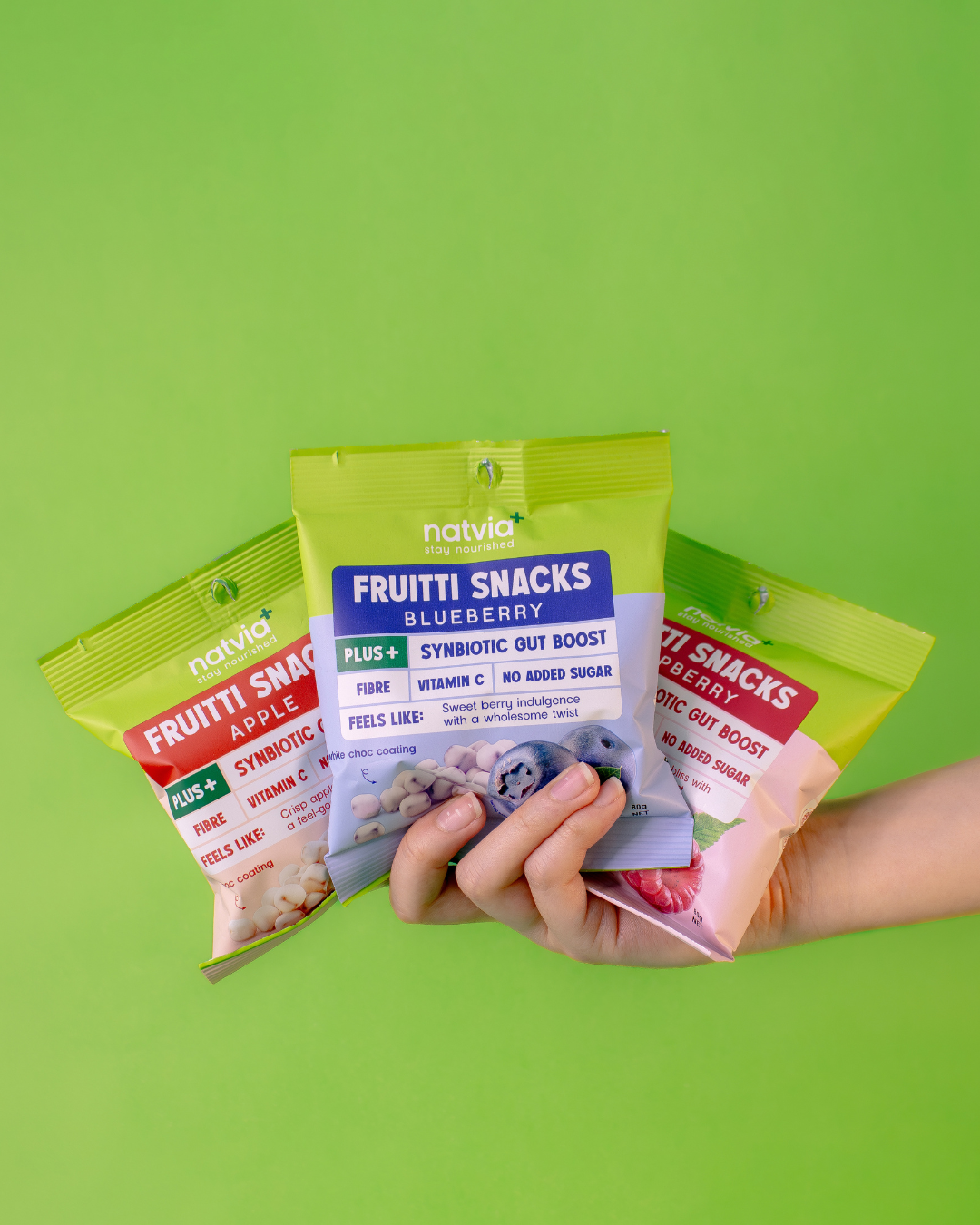
It is 3pm. Your focus has quietly dissolved, you have reread the same sentence twice, and your hand is already moving toward the snack drawer before you have made any conscious decision to do so. The 3pm sugar craving is not a discipline problem. It is a predictable blood glucose pattern with a clear cause, and once you understand what is actually driving it, fixing it becomes considerably more obvious than "try harder." Ask most people why they reach for something sweet at three in the afternoon and they will say they lack discipline, that they are bored, that they just need to push through. None of those explanations is right. The craving is shaped by what lunch did to blood glucose and by the body's own circadian rhythm. Why the Blood Sugar Drop at 3pm Is Not Random Two things happen at once in the early afternoon and they tend to feed into each other. The first is a natural dip in alertness documented by circadian rhythm research, a dip that happens regardless of how well you slept. The second is the blood glucose fall that follows a carbohydrate-rich lunch. White bread, pasta, sweetened drinks, and anything processed that breaks down quickly tend to produce a sharp glucose spike and an equally sharp decline. That decline is what the body registers as urgent hunger, specifically as a craving for the quickest source of energy it can find. Research published in the European Journal of Nutrition has explored how repeated exposure to high-sugar foods may reinforce the craving cycle through dopamine pathways, in a pattern that resembles how other repeated habits take hold. As Health and Wellbeing Queensland notes, this is part of why the pull toward sugar in the afternoon can feel less like genuine hunger and more like a habit the brain has quietly built over time. It is also worth noting that the afternoon slump is partly set up by the morning. A meta-analysis of randomised controlled trials published in Nutrition found that high-GI breakfasts significantly elevated postprandial blood glucose at 60, 90, and 120 minutes, with a more pronounced effect in people with metabolic impairments. A breakfast that spikes blood glucose early tends to make the afternoon dip more pronounced. How to build a morning routine that supports your body is worth reading alongside this if the 3pm pattern feels persistent regardless of what lunch looks like. Why Reaching for Sugar Makes the Afternoon Slump Worse Reaching for something sweet at 3pm is not irrational. It is a reasonable response to a real biological signal. The problem is that most things people grab in that moment, a biscuit, a handful of lollies, a muesli bar with more added sugar than the packaging implies, do not resolve the signal. They replay it. Each one produces another blood glucose spike, another insulin response, another fall. The craving eases for twenty minutes. Then it comes back, and now it is an hour closer to dinner. As Dr Devlin at the University of Queensland puts it, these quick fixes often backfire, leading to another crash not long after. The snack that was supposed to fix the slump feeds the cycle that caused it. Once you see the mechanics clearly, the question shifts from "should I eat something" to "what is this thing I am about to eat actually going to do to the next hour." What Protein and Fibre Do That Sugar Cannot A 2020 meta-analysis in Physiology and Behaviour found that protein intake suppressed appetite by decreasing ghrelin, the hunger hormone, while increasing feelings of fullness and satiety. Fibre is consistently associated with more stable blood glucose over time, meaning the sharp rise-and-fall pattern that drives the 3pm craving is less pronounced when a meal or snack contains meaningful amounts of both. Together, they do not just postpone the craving. They change the shape of the afternoon. This is not a prescription for a more complicated eating routine. It is simply a case for paying attention to what that snack is made of. What to Snack on at 3pm Instead The answer is not to stop snacking. Your body is sending a real signal, and ignoring it rarely ends well. The answer is to swap what you reach for. The ideal 3pm snack is still genuinely satisfying and still hits that sweet craving, but it does not send blood glucose on another ride. That means low in sugar, high in fibre, and ideally carrying something extra that supports the body rather than just buying you twenty minutes of quiet. Natvia Fruitti Snacks were built for exactly this moment. They are chewy white-chocolate-coated fruit bites with no added sugar, and each serve delivers a good source of fibre alongside a 2 billion synbiotic blend of prebiotics, probiotics, and postbiotics. So the craving gets something genuinely delicious. The blood glucose pattern does not get fed. And your gut gets a little something extra while you are at it. They come in Apple, Raspberry, and Blueberry, in single 80g pouches or multipacks. Try them here and see the difference a better snack makes at 3pm. Why Proximity Beats Willpower Every Time Changing the 3pm habit has very little to do with resolve and a great deal to do with what is already within reach when the craving hits. The snack that wins is the one already in the drawer. Multiple studies confirm this: research published in Appetite found that simply making a lower-calorie food more physically proximate reduced total energy intake even when a more preferred higher-calorie option was also available. Proximity, not intention, determines what most people eat in a moment of low energy and high craving. When what is within reach is genuinely satisfying and does not restart the blood sugar cycle, the afternoon tends to take care of itself. Stock your drawer with healthy snacks that you like. The afternoon tends to take care of itself from there.
Learn more
How to Build a Morning Routine That Actually Supports Your Body
Spend five minutes researching morning routines and you will find a forty-five-minute schedule built around cold exposure, a supplement stack, a gratitude journal, and a protein shake blended to precise macros. It is aspirational in the way that most things designed for someone else's life tend to be, and for most people it closes within two weeks. The gap between the described routine and the one that actually happens is not a willpower problem. It is a design problem. What gets lost in these conversations is a simpler idea: the habits most worth investing in are the ones already running. The coffee gets made. Breakfast happens, or it does not, in a way that is already shaping how the morning feels. The question worth asking is not what can be added, but whether what is already there is working with the body or quietly working against it. Why the Body Arrives at Morning Already Behind Sleep is a long stretch without water. Seven or eight hours of breathing, metabolism, and cellular repair with no fluid intake means the body arrives at waking already mildly dehydrated, and most people have simply come to experience this as how mornings feel. Research published in the Journal of the American College of Nutrition found that dehydration at just two percent of body mass may impair attention, psychomotor response, and immediate memory, in ways that can feel indistinguishable from tiredness or needing more sleep. A review in ACSM's Health and Fitness Journal noted that concentration, short-term memory, and mood can all be affected at this level. Drinking water before or alongside the first coffee addresses a deficit that is already present. Coffee carries a mild diuretic effect at higher volumes, which means drinking it before rehydrating may compound the overnight deficit rather than resolve it. The foggy first hour is not inevitable, and it often has less to do with sleep quality than it does with what the body is waiting for. What a Protein-First Breakfast Does to Energy and Appetite Through the Day The composition of the first meal shapes the hormonal environment of the entire morning in ways that extend well past ten o'clock. Protein triggers a different metabolic response than refined carbohydrates, and that difference tends to matter more than most people realise when they are reaching for toast or cereal because it is quick. A 2024 study in the Journal of Dairy Science found that a high-protein breakfast significantly increased satiety in the three hours after eating compared with a high-carbohydrate equivalent or skipping breakfast entirely, and also produced a measurable improvement in cognitive concentration before lunch. Protein-rich meals tend to suppress ghrelin, the hunger hormone, while stimulating satiety signals, producing steadier energy and fewer mid-morning cravings. A protein-anchored breakfast does not need to be elaborate to be effective. Eggs, Greek yoghurt with seeds, cottage cheese, or a smoothie with a protein base all reflect the same underlying principle, and the benefit of more stable blood glucose at subsequent meals across the day tends to extend well beyond the morning itself. How Cortisol and Blood Sugar Interact in the First Hour After Waking Most people know cortisol as a stress hormone without knowing much about its daily rhythm. It follows a predictable arc, peaking in the thirty to forty-five minutes after waking in what researchers call the cortisol awakening response. A review in Endocrine Reviews describes this as a preparatory mechanism, readying the brain and body for the demands of the day ahead. In a well-functioning system, the cortisol curve rises, peaks, and then declines steadily through the morning. The problem arises when that arc is extended or disrupted. Cortisol plays a direct role in blood sugar regulation. Research published in Advances in Experimental Medicine and Biology shows that when cortisol is elevated, the body releases more glucose while reducing its uptake in muscle tissue. Adding a sugar load at the precise moment cortisol is already at its morning peak compounds that effect, and the mid-morning energy dip, the difficulty concentrating around eleven, the low-level irritability that seems to arrive from nowhere, these often have a physiological origin that is traceable back to breakfast. The Natvia Gut Activation Sweetener has a glycaemic index of zero, delivering sweetness without triggering a blood glucose response and allowing the morning cortisol curve to follow its natural arc rather than extending it. What Breakfast Has to Do With the Gut Microbiome The gut microbiome is shaped gradually and cumulatively by what is eaten across the day, including at breakfast, though most people do not think of their morning meal as gut health territory. Synbiotics combine live probiotic cultures with the prebiotic fibres that feed them, supporting the growth of beneficial gut bacteria more effectively than either component does in isolation. A meta-analysis published in Nutrition Reviews found a favourable effect on beneficial bacterial populations in healthy adults using synbiotic interventions. Refined sugar tends to feed the less beneficial bacteria in the gut while reducing overall microbial diversity over time, which may impair serotonin production and is often associated with low-level inflammation. The Natvia Gut Activation Sweetener contains a 150 billion synbiotic blend per canister, combining prebiotics, probiotics, and postbiotics. Used exactly like any other sweetener in coffee or cooking, the gut support arrives through a habit that was already there. What a Morning That Works for the Body Actually Looks Like A morning routine worth keeping tends to look, from the outside, almost identical to what was already happening. It does not require waking at five, a colour-coded tracking system, or willpower in generous supply. A glass of water before the coffee, a breakfast that leads with protein, and a sweetener that handles the morning ritual without a blood glucose response or a disruption to the gut microbiome. The habits that endure are the ones that happen without friction. These are already close to that.
Learn more
The Hidden Link Between Gut Health and Mental Wellbeing
Being a millennial or Gen Z right now comes with a particular kind of background noise that is difficult to name and harder to shake. The cost of living, the relentlessness of the news cycle, the low-grade sense of being watched and evaluated online. A UNICEF study has noted that ongoing global instability has significantly impacted Gen Z's mental health, and the pressures underneath that finding are ones most people in these generations recognise without needing to be told. The usual explanations tend to centre on screens, chronic stress, and disrupted sleep, and none of those is wrong. They are just not the whole picture. There is a contributing factor that sits closer to home, and closer to the body, than most people consider: the gut. Not as a metaphor for intuition, but the actual digestive system, home to trillions of microorganisms collectively known as the gut microbiome. That community does far more than process food, and its influence on mood, anxiety, and everyday mental wellbeing is more direct than the mainstream conversation around stress tends to acknowledge. Why Gut Health Has Become Part of the Mental Wellbeing Conversation Gut health has moved, in a relatively short period of time, from a niche clinical concern to something people discuss openly as part of how they feel day to day. Conditions like IBS, once rarely spoken about outside a doctor's office, are now part of broader public conversations about wellbeing, and the visibility reflects a real shift in prevalence. Clinicians point to stress as a significant driver, given that IBS is understood as a brain-gut disorder in which the nervous system wiring of the digestive tract responds directly to psychological pressure. A generation carrying elevated baseline anxiety tends, unsurprisingly, to also carry elevated rates of gut dysfunction. What receives far less attention is that the relationship does not run in one direction only. A disrupted gut does not simply react to stress. There is growing evidence to suggest it may also be contributing to it. Where the Body Actually Produces Serotonin Most people carry an assumption that serotonin, the neurotransmitter most associated with mood regulation, is produced primarily in the brain. Research published in Frontiers in Pharmacology has confirmed that roughly 90 percent of the body's serotonin is produced in the gut, by specialised cells lining the intestinal wall. A separate review in Integrative Medicine places that figure closer to 95 percent. This gut-produced serotonin activates nerve endings that connect directly to the brain, which means the brain's serotonin system is, in a very real sense, downstream of what is happening in the digestive tract. The health of the gut microbiome shapes how efficiently that process runs. A well-supported microbiome tends to be associated with more stable mood and steadier energy across the day. One that is consistently disrupted or fed poorly may contribute to the kind of low mood and fatigue that people often attribute entirely to external circumstances, workload, relationships, the news, without ever considering the environment in which those feelings are being processed. The Two-Way Relationship Between the Gut and the Brain The gut-brain axis is the term researchers use for the communication network running between the digestive system and the brain, and it operates through several overlapping channels at once. The vagus nerve runs directly from the brainstem to the abdomen. The enteric nervous system, sometimes called the second brain, lines the gut wall with hundreds of millions of nerve cells capable of operating independently of the central nervous system. A significant proportion of the immune system resides in the gut, and the bloodstream continuously carries microbial signals upward toward the brain. Most people are broadly aware that stress can unsettle the gut. The reverse is equally true and considerably less discussed. A 2025 review in Frontiers in Pharmacology found that disruptions to the gut microbiome may impair this communication network in ways linked to changes in brain chemistry associated with depression and anxiety. The key mechanism involves tryptophan, the amino acid the body draws on to produce serotonin. When the balance of gut bacteria shifts away from beneficial strains, the bacteria that support tryptophan processing may be depleted, and serotonin availability may be influenced as a result". Tryptophan may also be diverted into a separate metabolic pathway that produces compounds associated with low mood and neuroinflammation. Research published in PMC describes how this diversion may both reduce serotonin and promote the kind of low-level brain inflammation that has been linked to depression. For a generation already navigating elevated anxiety as a near-constant background condition, that mechanism is worth sitting with. What the Research Says About Synbiotics Probiotics are live cultures that may support the health and diversity of the gut microbiome. Prebiotics are the fibres that feed those bacteria and help them establish. Postbiotics are the beneficial compounds produced as probiotics carry out their work. As the University of Melbourne explains, these include short-chain fatty acids that tend to support the gut lining and broader immune function. A synbiotic combines all three, and the evidence suggests that this combination tends to offer more complete microbiome support than any single component in isolation. The research connecting these interventions to mood is still developing, and outcomes vary across strains and population groups. The direction of the evidence, however, is consistent. A 2025 meta-analysis in BMC Psychiatry reviewed 72 clinical trials and found meaningful reductions in depression and anxiety among people using probiotic, prebiotic, or synbiotic interventions compared to placebo. A separate review in Nutrition Reviews found similar patterns in depression severity across clinically diagnosed groups. None of this positions synbiotics as a treatment for clinical depression or anxiety, but it does suggest that a healthier, more diverse microbiome tends to be associated with better mood outcomes, particularly for people navigating the kind of background low mood that shapes daily life without ever quite reaching a clinical threshold. How Daily Food Choices Connect to Gut and Mood Over Time When gut health comes up in conversation, most people think first of a probiotic supplement, something additional, something separate from the day. The more interesting question is whether gut support can arrive through the patterns already in place, because the habits that shape the microbiome are largely the ones already running quietly in the background. Refined sugar tends to feed the less beneficial bacteria in the gut while reducing overall microbial diversity over time. A less diverse microbiome is often associated with dysbiosis, which may impair serotonin production and increase low-level inflammation. High sugar intake is also linked to blood glucose fluctuations and the cortisol and insulin responses that follow, which tend to affect both the gut environment and mood in ways that accumulate gradually rather than announce themselves. The Natvia Gut Activation Sweetener has a glycaemic index of zero, so it does not contribute to the blood glucose cycle that refined sugar tends to sustain. With a 150 billion synbiotic blend per canister designed to support the growth of beneficial gut bacteria, it functions exactly like sugar in coffee or cooking, meaning the gut support arrives through something already woven into the day rather than added on top of it. The Quiet Cumulative Effect of What We Eat Every Day The gut-brain connection is not new science, but awareness of it has not yet filtered into everyday food choices the way that other areas of nutrition research have. Most people carry some understanding of how food affects energy or body composition. Fewer have considered that the bacteria living in the digestive tract may be quietly shaping how mood, focus, and anxiety show up across the week, in ways that are gradual enough to be almost invisible until they are not. For more on how gut health intersects with broader wellbeing, Why Gut Health Is the Foundation of Women's Wellness is a useful companion read.
Learn more
Why Gut Health Changes After 40 and What the Research Suggests You Can Do
For many people, midlife can bring a cluster of changes that are difficult to explain: energy that may take longer to recover, weight that can become less cooperative, an immune system that seems to need more looking after. These changes tend to get explained away as hormones, stress, or simply the passage of time, and none of those explanations is wrong. But the gut microbiome may be an underappreciated contributor to all of them, and one that receives considerably less attention than it deserves. A 2025 review in the Journal of Biomedical Science described the microbiome as a modifiable determinant of the ageing process, one that regulates immunity, metabolism, and muscle function in midlife and beyond. What Happens to Gut Microbiome Diversity With Age A healthy adult gut microbiome is characterised by diversity: many different microbial species, each contributing something distinct to metabolic and immune activity. That diversity is associated with resilience in ways that become increasingly relevant after 40. A review in Gut Microbes found that high species richness is a consistent feature of healthy long-lived individuals, while reduced diversity is linked to frailty, systemic inflammation, and metabolic disruption in older adults. The decline in diversity is gradual, driven by accumulated dietary patterns, medication use, reduced physical activity, and the physiological changes of midlife. What tends to emerge is a microbiome that is less varied and more pro-inflammatory, with fewer bacteria producing short-chain fatty acids and more opportunistic species thriving in an inflamed environment. Research published in Frontiers in Aging linked this shift to numerous age-associated conditions, suggesting the relationship between inflammaging and gut dysbiosis may create a reinforcing cycle that is easier to interrupt early than to reverse later. Inflammaging is the chronic low-level inflammation associated with normal ageing, distinct from the acute inflammation of an injury or infection. Over time it is associated with metabolic dysfunction, cardiovascular risk, cognitive decline, and reduced immune function, and the gut microbiome is one of the more direct levers available for influencing it. How a Disrupted Gut Microbiome Affects Immunity, Energy, and Cognition The effects of a declining gut microbiome do not stay contained within the digestive system. A 2025 review on PMC found that gut microbiome changes and immune ageing are deeply intertwined, each making the other worse over time. Beneficial gut bacteria influence how efficiently the body extracts energy from food, regulates appetite, and manages insulin sensitivity, and as these populations decline, metabolic efficiency can shift in ways that make weight management harder even when nothing else about daily life has changed. Cognition is also affected. The gut microbiome influences neurotransmitter production and brain inflammation in ways that become increasingly relevant in midlife, and a review in Gut Microbes found that certain beneficial species declining with age have been associated with reduced cognitive decline in older adults. Why Consistent Dietary Patterns Shape How the Gut Ages Of all the factors that influence how the gut microbiome shifts with age, diet is the most accessible and the most studied. A 2025 review in Genome Medicine identified fibre-rich and polyphenol-rich dietary patterns as among the most evidence-backed approaches for restoring microbial balance in ageing adults, promoting beneficial microbes and the compounds that support the gut lining and metabolic health. Centenarians consistently show higher gut microbiome diversity than age-matched peers, with microbial communities that more closely resemble those of much younger adults. That quality is associated with lifelong dietary patterns rather than any single intervention: no one food or product rebalances the microbiome on its own. What shapes how the gut ages is what is eaten consistently, across years and decades. What the Evidence Supports for Gut Health After 40 The gut health conversation in midlife can become quickly overwhelming, particularly given the volume of supplement marketing directed at this demographic. What the research actually supports is more straightforward. Fibre from diverse sources, vegetables, legumes, wholegrains, fruit, and seeds, tends to feed the widest range of beneficial microbial species. Fermented foods such as yoghurt, kefir, and fermented vegetables support microbial variety in ways that fibre alone may not fully achieve. Reducing refined sugar matters because it actively disrupts the gut environment, feeding species that contribute to inflammation while crowding out those associated with diversity and resilience. Nutrition Australia offers a practical starting point for anyone working through what these changes look like day to day. Synbiotics, which combine live probiotic cultures with the prebiotic fibres that feed them, tend to support beneficial gut bacteria more effectively than either component in isolation. The Natvia Gut Activation Sweetener contains a 150 billion synbiotic blend per canister, combining prebiotics, probiotics, and postbiotics. Used in a morning coffee, stirred into yoghurt, or added to a smoothie, it replaces the refined sugar that tends to disrupt the gut environment and adds synbiotic support through a habit that is already there. The Gut Microbiome Remains Responsive Well Into Later Life One of the more encouraging findings in this area of research is that the gut microbiome does not lock into a fixed state at 40 or 50 or beyond. It remains responsive to dietary change well into later life, and shifts to fibre intake, fermented food consumption, and synbiotic use can meaningfully alter microbial composition even where diversity has already declined. The gut changes that occur after midlife are real, but they are also modifiable, and the choices that tend to matter most are the small, consistent ones that accumulate across the ordinary texture of daily eating. For more on how gut health connects to biological ageing, the Natvia article 5 Science-Backed Habits That May Slow or Even Reverse Biological Age explores this further.
Learn more
Natvia vs Sugar: The Real Cost of Sweetness Isn't on the Shelf
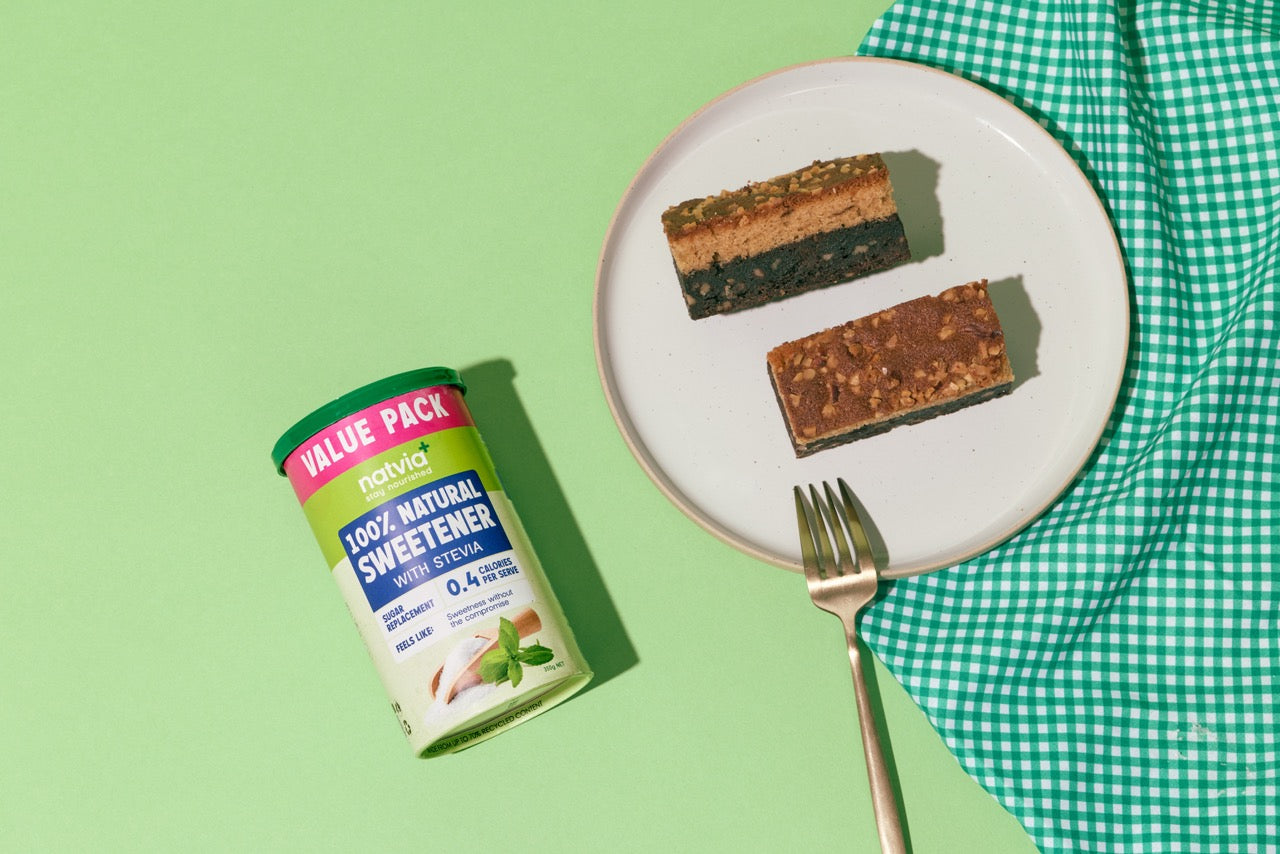
Natvia sits at a higher price point than regular sugar on the supermarket shelf, and there is no point pretending otherwise. But the number printed on the packet answers a narrower question than most people realise: how much does this weigh, and what does that weight cost? It says very little about how much you actually use per serve, and nothing at all about what each option is doing to the body over months and years of daily consumption. Once those variables enter the picture, the comparison looks quite different. Why Cost Per Serve Tells a Different Story Than Cost Per Gram Natvia is made from stevia leaf extract, a naturally concentrated plant compound, which means only about three-quarters of a cup is needed where a recipe calls for a full cup of sugar. That ratio alone reshapes the maths. Artificial sweeteners, despite their low shelf price, tend to cost considerably more per serve when used at a 1:1 substitution ratio. Sugar remains the cheapest option in absolute terms, but the gap with Natvia narrows meaningfully at the serve level, and that difference buys something that behaves quite differently once it reaches the body. Product Size Prize Serves Cost/Serve White Table Sugar 500g $1.95 125 1.5 cents Natvia Natural Sweetener 350g $7.75 175 4 cents Lakanto Monkfruit Sweetener 300g $10.00 75 13 cents Equal Spoonful Sweetener Jar 113g $6.00 161 3.7 cents Splenda Granular Sweetener 120g $8.70 240 3.6 cents *Serve size: one teaspoon. Prices sourced from Coles, May 2026. How Natvia Compares to Sugar on Calories and Blood Glucose Sugar contributes around 16 calories per teaspoon. Natvia contributes approximately 0.4, around 96 percent fewer. For someone who sweetens coffee, tea, and cooking regularly across a week, that differential accumulates to thousands of calories a year without any other change to their diet. Sugar also carries a glycaemic index of 65, producing a blood glucose spike that tends to be followed by a dip expressed as cravings, fatigue, or irritability. Natvia has a glycaemic index of zero. A review published in Frontiers in Nutrition examining sweeteners in the context of diabetes management found that steviol glycosides, the active compounds in stevia, may support glycaemic control by delivering sweetness without raising blood glucose. Food Standards Australia New Zealand has also assessed steviol glycosides as safe for use in food. Refined sugar also feeds the bacteria in the mouth that produce acid, and sustained exposure to that acid is what causes enamel erosion and cavity formation over time. Stevia-based sweeteners are not fermented by oral bacteria in the same way, which is associated with a lower risk of dental decay. The Hidden Costs of Sugar Sugar is cheaper upfront. That calculus tends to shift considerably when you factor in what sustained daily consumption is associated with over time across health, finances, and daily energy. Health costs. The long-term evidence on added sugar is difficult to ignore. A landmark study published in JAMA Internal Medicine found that people consuming between 10 and 25 percent of their daily calories from added sugar had a 30 percent higher risk of cardiovascular disease mortality. The World Health Organisation recommends that added sugars account for less than 10 percent of total daily energy intake. Beyond clinical thresholds, sustained high sugar consumption is associated with increased risk of obesity, type 2 diabetes, and related metabolic conditions that carry significant long-term consequences for quality of life. Financial costs. The direct cost of sugar-related health issues adds up quickly. A single GP visit in Australia typically costs between $80 and $120 out of pocket. A basic dental filling runs anywhere from $150 to $300. One appointment of either kind offsets months of Natvia spending at four cents a serve. Preventive choices rarely feel significant in the moment, but the financial comparison shifts considerably when viewed across a year or more. Productivity costs. Blood glucose spikes do not just affect the body, they affect the day. The energy dip that follows a sugar hit is a familiar experience for most working adults and parents: the mid-morning slump, the post-lunch fog, the difficulty concentrating through an afternoon meeting. These are not trivial inconveniences. For people managing full schedules, the compounding effect of daily energy instability is a real cost that never appears on a supermarket receipt. Dental costs. Dental work is one of the more immediate and tangible financial consequences of sustained sugar consumption. Enamel erosion and cavity formation driven by sugar-feeding oral bacteria translate directly into chair time and out-of-pocket expense. Stevia-based sweeteners are not fermented by oral bacteria in the same way, which means the daily habit of sweetening coffee or tea with Natvia is not contributing to that cycle. Why Natvia Is Worth the Price Natvia is designed to perform like sugar across beverages, baking, and everyday cooking, with a straightforward three-quarter cup swap for any recipe. But the case for Natvia goes beyond convenience. Fewer health issues over time. Zero glycaemic index means no blood glucose spikes, no associated crashes, and none of the long-term metabolic burden that regular sugar consumption carries. For people managing their weight, energy, or blood sugar, that difference compounds meaningfully over months and years. Exceptional longevity per canister. One 350g canister delivers 175 teaspoon serves. For someone adding a teaspoon to their morning coffee every day, that is nearly six months of use from a single purchase at four cents a serve. The shelf price overstates what Natvia actually costs in daily life. Natural ingredients, unlike artificial sweeteners. Natvia is derived from stevia leaf extract, not manufactured in a laboratory. For people choosing to move away from refined sugar, the alternative matters. Artificial sweeteners such as sucralose and aspartame are synthetic compounds. Natvia is not. Sugar costs less per gram. Natvia costs less than most people expect per serve, and the real comparison extends well beyond what appears on the label. Benefit Refined Sugar Natvia Calories per tsp ~16 cal ~0.4 cal (96% fewer) Glycaemic index 65 (raises blood sugar) 0 (no blood sugar impact) Tooth decay risk Increases risk Often associated with reduced risk Gut loving ingredients None 150 billion synbiotic blend per canister Suitable for people with diabetes Not recommended Yes, zero GI, research supported Use in cooking and baking Yes Yes, seamless swap at 3/4 cup ratio Natural origin Refined cane or beet sugar Stevia leaf extract and erythritol Explore the full Natvia Sweetener Range and find the product that fits your day.
Learn more
Why Gut Health Is the Foundation of Women's Wellness
We are living in the most wellness-conscious era in history, and somehow, many people feel more confused about their health than ever. Research by McKinsey and Company found that over 84 percent of consumers consider wellness a top priority, and yet gut health, mental health, and cognitive wellbeing consistently rank among the most unmet needs, particularly for younger women. The same digital environment that made wellness more visible has, in many ways, made it harder to navigate, flooding every platform with opinion that rarely arrives with context and trends that rarely arrive with evidence. Genuinely grounded, science-backed guidance, distilled clearly enough to be useful, is harder to find than it should be, which is something of a quiet irony in an era defined by information. Science has now reached a point where understanding the gut microbiome changes how many otherwise puzzling symptoms begin to make sense: from bloating and fatigue to hormonal shifts, mood fluctuations, and metabolic changes across the lifespan. What the Gut Microbiome Is and Why Diversity Matters Think of the gut microbiome as a vast community of microorganisms, bacteria, viruses, and fungi, living in the digestive tract. There are trillions of them, and they do far more than help break down food. According to Healthdirect Australia, the gut microbiome is associated with immune function, metabolism, mood, and behaviour, and is linked to the long-term risk of conditions like type 2 diabetes, heart disease, and chronic inflammation. When something goes wrong in the gut, it often shows up somewhere else entirely, in mood, energy, skin, or hormones, which is part of why gut disruption so rarely gets identified as the root cause. A healthy gut microbiome is typically characterised by diversity. A gut with a wide variety of different microbial species tends to be more resilient and better functioning than one with a narrow range, much like how a diverse ecosystem is more stable than a simple one. Research consistently finds that lower microbial diversity is a feature of many chronic conditions, from depression to metabolic disease. In 2024, a survey of more than 2,000 women also revealed that 86 percent had never heard of the connection between gut health and hormones, and four in five wanted to know more. For something that shapes so much of how women feel from one week to the next, that gap matters. Why Women's Gut Health Is Different to Men's The gut does not function the same way in women as it does in men, and the difference goes deeper than most conversations acknowledge. Research published by the American College of Gastroenterology notes that women tend to have lower stomach acid levels, digest food more slowly, and have longer colons than men. Each of those differences can independently contribute to the kind of bloating, gas, and digestive irregularity that many women quietly accept as just the way their body works. It is not always stress, and it is not always diet, at least not in the ways usually assumed. Then there is the hormonal layer, which is where things get particularly interesting. Oestrogen and progesterone both have receptors in the gut wall, meaning they directly influence how quickly or slowly the digestive system moves at different points in the menstrual cycle. Progesterone tends to slow digestion in the second half of the cycle, which may explain the bloating and constipation that often arrives before a period, while the drop at the start of menstruation tends to speed things back up. These are not random symptoms. They have a biological explanation that starts in the gut. What is less commonly understood is how the gut shapes hormone levels in return. Certain gut bacteria help regulate oestrogen metabolism by influencing how it is processed and cleared from the body. When the microbiome is disrupted, this clearing process can malfunction: rather than being eliminated, oestrogen can be reactivated in the gut and re-enter the bloodstream. Research published in the Journal of Biological Chemistry and further explored in the journal Maturitas has associated this pathway with conditions including PCOS, endometriosis, and certain hormone-related cancers. Gut health and hormonal health are not separate conversations; they are deeply interconnected. This relationship continues to shift with age. A 2022 review in the International Journal of Women's Health found that menopause is associated with reductions in gut microbial diversity and compositional changes that may interact with hormonal shifts in ways that influence metabolism, bone health, mood, and cardiovascular risk. The gut changes as women change, which is why understanding it at every life stage matters. How Excess Sugar Works Against the Gut and Mood One of the more direct ways diet disrupts the gut is through excess refined sugar. Sugar selectively feeds the less beneficial bacterial species while reducing the variety of microbes the gut needs to work well. Over time, this imbalance can affect the gut lining, potentially allowing substances into the bloodstream that would not otherwise get through, and contributing to a background level of inflammation the body has to manage on an ongoing basis. That kind of low-grade inflammation is associated with fatigue, brain fog, and a general sense of not quite feeling well, symptoms that often get attributed to everything except the gut. The connection between gut and mood is more literal than most people realise. Around 90 percent of the body's serotonin, the chemical most associated with emotional steadiness, is produced in the gut rather than the brain, as established in research published in the journal Cell. This means that the health of the microbiome has a real, measurable effect on how a person feels, through specific biological pathways involving the nervous system, hormones, and immune signalling rather than in some vague, indirect way. A 2022 review also found that gut microbiome changes during menopause are associated with mood fluctuation, making gut health and emotional wellbeing particularly intertwined during hormonal transitions. Reducing refined sugar, then, carries implications beyond blood sugar or weight. It is, quietly, a way of supporting mood, hormonal balance, and the kind of consistent energy that can feel elusive when the gut is not functioning well. What Actually Supports Gut Health Day to Day One of the simplest things you can do is include foods and drinks that contain probiotics, prebiotics, and postbiotics in your diet. These are plant-based actives proven to encourage the grow of beneficial gut bacteria. (Read more about them in our Prebiotics, Probiotics, and Postbiotics guide) What matters most here is the foundational point: dietary variety is the most consistent lever for supporting a healthy microbiome, since different types of fibre feed different bacterial species. A 2017 paper in the Journal of Translational Medicine confirmed that eating a broad range of plant foods tends to support a richer, more varied gut community. Most people do not consistently eat that kind of variety, particularly across busy weeks when meals become repetitive and convenience takes over. This is where the idea of weaving gut support into existing habits becomes more practical than aspirational. Choosing products that already include gut-supportive ingredients means the support arrives through what someone is already doing. A sweetener like Natvia's Gut Activation Sweetener, which contains a 150 billion synbiotic blend per canister, designed to support beneficial gut bacteria, is one example of how gut support can arrive through the morning coffee rather than as a separate task to remember.
Learn more
How Daylight Saving Impacts Your Circadian Rhythm and Gut Health
Every year, without fail, it catches people off guard. The clocks shift, the alarm goes off at the usual time, but something just feels wrong. Not dramatically wrong, more like the day started without you, and by mid-afternoon there is a drag that coffee does not quite fix. Most people shrug it off as the season changing, which is partly true, and then spend the next two weeks quietly wondering why they cannot seem to get on top of their energy. The thing that rarely gets talked about is that the clocks changing is not a minor inconvenience the body breezes past. It is a genuine physiological disruption, one that reaches further than a single groggy morning, and one that the body works through on its own timeline regardless of what the calendar says. Over 1.6 billion people adjust their clocks twice a year, and the research around what that adjustment actually costs, in sleep, in mood, in gut health, is considerably more interesting than the annual debate about whether we should bother doing it at all. What the Circadian Rhythm Is and Why It Cannot Be Rushed The circadian rhythm is the body's internal 24-hour clock, which sounds straightforward until you consider everything it is quietly running. When to feel sleepy, when to feel alert, when digestion is most active, when the body does its repair work overnight, when mood-regulating hormones rise and fall across the day: all of it is timed by this system, and all of it takes its cues primarily from light entering the eyes each morning. The reason a single hour feels like more than it should is that the body clock does not update the way a phone does. It adjusts gradually, shifting by about an hour per day at most, following real light rather than whatever the clock on the wall now says. So when daylight saving ends and the sun keeps rising and setting on its own schedule, a gap opens between the body's sense of time and the external world. For most people that gap closes across a few days, often without them fully noticing. For those who naturally run later in the day and already feel the pull toward evenings, the adjustment tends to take longer, because the new time pushes an existing tendency even further from the demands of ordinary life. The body always catches up eventually. It simply does so in its own time, not yours. How the Time Change Affects Sleep in Ways That Linger The end of daylight saving is usually thought of as the easier shift, the one where an hour is returned rather than taken. The body tends to disagree. Research published in the Journal of Sleep Research, found that sleep disruption after both clock changes was meaningful, with fatigue and reduced concentration carrying well into the following week, particularly for older adults. The extra hour does not land the way most people expect, because the internal clock does not honour the social arrangement to sleep later simply because the calendar now permits it. What compounds things is what darker mornings do to mood. According to Harvard Medical School, the circadian system is largely calibrated by light in the first part of the day, which tells the brain to wind down melatonin and bring up serotonin, the chemical that carries emotional steadiness and a sense of get-up-and-go through the morning hours. When that light arrives later, the signal is delayed. For some people this shows up as simple tiredness. For others it is something more diffuse: a flatness to the day, a reduced appetite for effort, a vague sense of operating slightly below capacity that is easy to mistake for something else entirely. Knowing it has a biological cause, and a temporary one, tends to make it easier to sit with rather than spiral around. What the Time Change Does to Your Gut Here is the part that rarely comes up in conversations about the clocks: the gut feels it too. The microbiome, the vast community of bacteria living in the digestive tract that influences immune function, mood, and metabolism, does not just respond to what you eat. It runs on its own daily rhythm, one that is tied to and helps support the broader circadian system across the body. A 2023 review in Nutrition, Metabolism and Cardiovascular Diseases found that more than half of the gut's total microbial composition fluctuates in a daily pattern, and that when the body clock falls out of sync, the balance and function of gut bacteria can shift along with it, with potential effects on metabolism, immunity, and mood. Meal timing is one of the key anchors for that microbial rhythm, in the same way that morning light anchors the sleep-wake cycle. When both are disrupted at once, which tends to happen naturally in the week after a time change when sleep, appetite, and light exposure all shift together, the gut registers the unsettledness before the rest of the body has quite caught up. This is part of why paying a little more attention to gut support during this period makes more sense than it might seem at first. Eating at consistent times helps the microbiome hold its rhythm when the rest of life is reorganising around the new clock. Products that actively support the gut microbiome through this kind of transition, like Natvia's Gut Activation Sweetener with its 150 billion synbiotic blend of prebiotics, probiotics, and postbiotics, can be folded into an existing morning routine without requiring anything extra from a week that is already asking enough. What Actually Helps, and Why Consistency Is the Answer There is no quick reset for the circadian system. It does not respond to effort or urgency but consistency, which is a frustrating truth but a reliable one. Getting outside for 15 minutes in the morning light, even on grey days, gives the body clock something to calibrate to. Winding the evening down gradually, dimming lights, stepping back from screens, reducing caffeine in the hours before bed remove the things that most reliably get in the way of the body finding its own rhythm back. The same study published in the Journal of Sleep Research found that sleep regularity was a stronger predictor of mortality risk than sleep duration, and was associated with a 20 to 48 percent reduction in risk compared with irregular sleepers. The timing of rest, it turns out, matters at least as much as the amount of it. Building a wind-down ritual consistent enough that the body starts to expect it is one of more effective things within reach. A warm drink built around chamomile and lavender, ingredients associated with a calming effect on the nervous system, can anchor that ritual without the sugar hit that would otherwise work against the very sleep it is supposed to support. Natvia's Relax Hot Chocolate sits comfortably in that space. The body finds its way back after every time change, as it always has. It just does so gradually, through small recalibrations across days rather than a single good night, and it tends to get there more easily when what surrounds it, the light, the food, the rhythm of the evening, is working with it rather than quietly against it.
Learn more
What Do Mothers Need More Than Gifts This Mother's Day
On a Sunday each May, many Australians spend the day celebrating their mothers and the other women in their lives who have shown up in the ways that matter. There will be flowers, cards and breakfast made with the best intentions. The love behind it is real. But for many of the women it is meant to honour, Mother's Day arrives as one more occasion to hold together. Not out of anyone's carelessness, but because the habit of being the person who keeps track of everything does not take a day off simply because the calendar has assigned one. The mental tabs stay open. The quiet awareness of what everyone needs and when, does not quiet itself for a public holiday. It simply continues, underneath whatever else is happening. Motherhood Does Not Have an Expiry Date One of the things that gets flattened in most Mother's Day conversations is how wide the experience is. The category includes the mother of a toddler running on fragmented sleep and a kind of resourcefulness she did not know she had. The mother of teenagers, which is its own particular exhaustion, less physical and more atmospheric. The grandmother who no longer has small children to manage but who has not, for a single moment, stopped carrying her adult children in the part of her mind that is always quietly scanning for how they are doing. The 30-year-old who still calls when something goes wrong, not because there is no one else but because there is something particular about the way she listens. Caring, it turns out, tends not to retire. It adapts its shape across the decades, but the instinct to hold, to notice, to be available without being asked, persists in most women long past the years when it is strictly required. This is one of the more remarkable things about it. It is also, over time, one of the quieter costs. For women in their thirties, forties, fifties, and beyond, the idea that self-care means a cleared afternoon and a booking somewhere tends to register less as aspiration and more as a mild form of irony. What genuinely restores a woman who is always giving is something smaller, more consistent, and considerably more honest than a gift guide tends to suggest. The Invisible Work That Never Clocks Off The barrier to rest, for most women, is not laziness or a failure to prioritise. It is structural, consistent across circumstances, and the research now documents it clearly enough to name directly. Research published in the American Sociological Review, identified the mental load as comprising four distinct cognitive stages that fall disproportionately to women: anticipating what needs to happen, identifying the best options, deciding what fits the family, and monitoring the follow-through. None of these happen at a designated time. They happen in the background of everything else, during the commute, while relaxing, or even at the edge of sleep. They are largely invisible to the people around them, not because those people are indifferent, but because invisible things are genuinely difficult to see without being shown them. The mental work does not ease with professional success. A 2025 study from the University of Bath and the University of Melbourne, drawing on data from 2,133 partnered parents, found that mothers earning over $100,000 did significantly less physical housework than those on lower incomes but carried an identical mental load. Higher earnings reduced the tasks that could be outsourced. The planning, the remembering, however, stayed constant, regardless of income or available time. The researchers described this as "gendered cognitive stickiness": once these tasks attach to a woman, they tend to stay there. When this load goes unaddressed over months and years, it compounds. An article published by the University of Queensland identifies parental burnout as a recognised syndrome resulting from chronic parenting stress, characterised by physical and emotional exhaustion, a growing distance from one's children, and a persistent sense of not being the parent one used to be. The same research notes that it is common for parents, and particularly mothers, to place their own needs last and treat self-care as an optional extra. When a woman feels depleted in ways she cannot quite locate, this is often what is operating underneath. Rest Is Sustainable, Not Selfish There is a version of the self-care conversation that functions, whether intentionally or not, as another form of pressure. The idea that a woman should be doing more for herself, that she is somehow failing at wellness if she cannot find the time, adds a layer of expectation to an already full set of them. But, this is worth resisting. The case for prioritising rest is not that a woman has earned it, although that is also true. It is that the alternative carries a measurable cost. According to the Mayo Clinic, sustained stress without adequate recovery keeps the body's stress response activated over time, with compounding effects on sleep quality, immune function, digestive health, and mood regulation. The University of Queensland research is direct on this point: parents who prioritise self-care tend to have better physical and mental health, feel more confident in their parenting, and are more likely to actually enjoy it. There is also something in the act of sharing responsibility that tends to be underestimated. When the load is distributed more evenly, the person who has been carrying most of it gets something back that rest alone cannot always provide: the experience of not being the only one watching. A woman who allows herself to step back, and who lets others step forward in that space, is doing something for her own wellbeing that the people around her tend to benefit from too, often without quite knowing why. What Women Can Do for Themselves Everyone's version of restoration is different, but the research on burnout is consistent about one thing: small, repeated acts of recovery compound in ways that a single grand gesture does not. The rituals that hold are small enough to happen on a Tuesday, not only on a designated Sunday in May. Start the day with something quiet. The coffee that is drunk before anyone else is awake is a few minutes of existing without being needed. For many women, that is genuinely rare across an ordinary week. A short walk before the school run, five minutes with a journal, or simply sitting with the morning light without a screen: these are not productivity tools. They are the kind of low-stimulation quiet that the nervous system recognises as recovery, even in brief doses. Move for the feeling, not the outcome. Exercise done out of obligation adds to the list of demands. Movement chosen for pleasure, a slow walk, a swim, stretching on the floor with music that actually appeals, tends to discharge accumulated stress in a way that structured exercise sometimes does not. The University of Queensland research names physical activity and social connection as among the most consistently protective factors against parental burnout. Spend time with people who give energy back. The same research identifies social support as a key buffer against burnout, and this is worth taking seriously. A conversation with a close friend, a shared meal that does not require managing, time with people around whom a woman can simply be herself rather than the person holding everything together: these tend to restore in ways that solitary rest sometimes cannot. Let the evening wind down properly. The hours before sleep are where the nervous system is most sensitive to disruption. Dimming lights, stepping away from screens, and building a consistent pre-sleep ritual gives the body a clear signal that the day is ending. A warm drink built around chamomile and lavender, ingredients associated with a calming effect on the nervous system, can anchor that ritual without the blood sugar fluctuation that would quietly undermine the rest it is meant to support. Natvia's Relax Hot Chocolate contains 97% less sugar compared to standard hot chocolates. Choose sweetness with intention. The treat that is eaten on purpose, in a moment that is chosen rather than grabbed between tasks, registers differently in the body and in the experience of the day. Natvia's Hazelnut Spread, with the same familiar richness and considerably less sugar, turns something quick into something that genuinely lands as a moment. The indulgence is real. What it asks of the body an hour later is different. None of these require a special occasion to begin. They require only the decision, made quietly and repeated often enough, that some part of the day belongs to the person living it. This Weekend, and the One After That If you are doing something for a mother this weekend, the most honest question is probably not what she would like but what she tends not to give herself, and whether your gesture makes that easier rather than adding to the list of things she will quietly organise around it. Time taken off her hands so she can take the walk she keeps almost taking. A small ritual made possible by the fact that someone else thought about it first. These are not grand gestures. They are the kind of thing that reaches the part of a person that grand gestures tend to miss. And for the women reading this: the permission to put something down, even briefly, does not require a special occasion. It is available on an ordinary Wednesday, at the end of a week that asked too much, in the few minutes before the household's demands begin. The caring that defines so many women's lives across so many years is real and it matters deeply. Looking after yourself is not the opposite of looking after the people you love. For most women, it is what makes that sustainable.
Learn more
5 Science-Backed Habits That May Slow, or Even Reverse, Biological Age
There are two numbers that describe how old you are, and they are not always the same. One is chronological: the years since you were born, unchanged by anything you do or do not do. The other is biological: the actual condition of your body at a cellular level, shaped not by the calendar but by the environment your body lives in day to day. It responds to how you sleep, how you manage stress, what you eat, and how often you ask your body to move. The habits that influence biological age are not particularly complicated. They are the ones that have always sat at the edges of ordinary life, easy to understand and easy to defer. What the science now offers is a more specific reason to take them seriously: not because they will change how you look, but because they shape, at a molecular level, how your body ages from the inside. 1. Sleep: Where Cellular Repair Actually Happens Sleep is one of those things most of us know matters and most of us treat as negotiable when life gets full. The research on what that trade-off actually costs is now detailed enough to be worth sitting with. A review by researchers at UCLA and UCSF describes sleep loss and sleep disturbances as active contributors to biological ageing at a molecular level, interfering with your metabolism, impairing the body's cellular repair processes and driving cellular deterioration. They are changes to the very mechanisms through which your body maintains and restores itself overnight. What tends to be undermined is how sleep shifts as you get older. Harvard Medical School's notes that deep, restorative slow-wave sleep becomes harder to access with age, sleep grows more fragmented, and your sensitivity to circadian disruption increases. This means sleep deserves more attention as the decades pass, not less. When your body's internal rhythm is consistently disturbed, inflammatory processes tend to rise, and inflammation is one of the most well-documented accelerators of biological ageing in the literature. Treating those hours as something your body genuinely depends on is less about optimising a bedtime routine and more about recognising that what happens during sleep has real, measurable consequences for how you age. 2. Sugar Intake: The Small Daily Choice With a Long Biological Shadow Sugar's relationship with how the body ages is not particularly complicated, but it is easy to set aside because the effects are not immediately visible. In 2024, research from the University of California San Francisco examined the diets and cellular age of 342 middle-aged women. The women with higher added sugar intake showed measurably faster epigenetic ageing. The women following more varied, antioxidant-rich diets showed the opposite, with cells appearing biologically younger than their chronological age. What made this finding particularly significant is that the effects of sugar intake and overall diet quality were largely independent of each other. Reducing sugar carries its own biological benefit, separate from any broader improvement in how you eat. The mechanism is not simply about weight or calories. Sugar drives cellular ageing through inflammation and damages the way your cells produce and use energy, both of which are now understood as core processes in how the body ages at a molecular level. The decisions you make around sweetness every day, including something as small as what goes into your morning coffee, accumulate into a biological pattern across years. Swapping added sugar for something that does not carry the same cellular cost is one of the more practical and sustainable adjustments available. Natvia's Gut Activation Sweetener, which combines a stevia-based sweetener with a synbiotic blend that supports the growth of beneficial gut bacteria, offers that swap without asking you to give up the sweetness. 3. Movement: An Investment in the Body You Will Live In Later Exercise tends to get framed as a way of managing how the body looks. The physiological reality is considerably broader than that. The National Institute on Aging identifies physical activity as one of the most evidence-supported tools available for maintaining health across the lifespan, with benefits spanning cardiovascular function, bone density, muscle mass, blood sugar regulation, and cognitive resilience. Australia's own physical activity guidelines for older adults make the same point from a functional angle: the goal of movement is capacity, the ability to keep doing what daily life requires, and that capacity is built or eroded over decades of accumulated choices. For women especially, this becomes more pressing from the thirties onwards. Muscle and bone both begin a gradual decline from this point, and the compounding effects of inactivity become progressively harder to reverse. Resistance training in particular, which tends to get less attention than cardiovascular exercise in most wellness conversations, is especially relevant here because it is the mechanical load on muscle and bone that signals the body to maintain its density and strength. When you think of movement as a long-term investment in the body you will be living in twenty years from now, rather than a response to how it looks today, the motivation tends to sit differently. And the evidence suggests that distinction is not just psychological. It is also physiological. 4. Eating Patterns: Diversity Over Time Is What the Data Shows A single meal, or even a month of good eating, tells relatively little about how food shapes the way you age. The more meaningful picture emerges across years, and a 2025 study published in Nature Medicine offers one of the clearest views of it yet. Following more than 105,000 participants over up to three decades, researchers found that long-term adherence to diverse, plant-forward dietary patterns was among the strongest predictors of healthy ageing, defined as reaching older age free of major chronic disease with cognitive, physical, and mental function intact. Two-thirds of participants were women. Those who consistently ate with variety and nutritional range were significantly more likely to reach that outcome than those whose diets leaned toward ultra-processed foods and low diversity. Much of this effect moves through the gut microbiome, which becomes less diverse and more pro-inflammatory with age when it is not adequately supported by fibre and variety. That chronic low-level inflammation is closely associated with the conditions most likely to erode your health and independence in later life. A review published in Nutrients, examining nutrition and ageing-related biomarkers across multiple studies, reinforced the same point: it is dietary patterns sustained over time, not individual superfoods or short bursts of clean eating, that most meaningfully shape how you age. The conversation worth having is not about perfection at any single meal. It is about what you are giving your body, consistently, across years. 5. Stress: The Biology Makes a Stronger Case Than You Might Expect Chronic stress tends to get acknowledged in wellness conversations and then quietly set aside, perhaps because it is harder to address than diet or exercise and does not resolve neatly into a habit or a product. However, sustained psychological stress activates your body's hormonal stress response in ways that, without adequate recovery, promote stress and feed the inflammatory processes that accelerate cellular ageing. Stress does not just affect how you feel day to day. It leaves molecular marks on your cells, and those marks accumulate over time. A 2021 study published in Translational Psychiatry found that biological age was observed to increase and then decrease in response to stress, suggesting that its effects are neither simply cumulative nor permanent. More significantly, people with stronger capacity for emotional regulation showed considerably less biological age acceleration in response to the same stressors. The finding points toward a distinction that matters: it is not the presence of stress that most determines its biological impact, but the relationship you build with it over time. Rest, genuine recovery, and the small daily rituals that allow your nervous system to settle are not indulgences. By the current evidence, they are among the more meaningful investments you can make in your long-term health. The difficulty is that they require something harder than a purchase: permission, given quietly and repeatedly, to treat restoration as something your body genuinely needs rather than something it can keep deferring. None of these five habits operates independently of the others. How you sleep shapes how you handle stress. How you handle stress shapes what and how you eat. What you eat shapes your gut microbiome, which shapes your body's inflammatory load, which shapes how quickly you age at a cellular level. These research does not point toward a rigid programme. It points toward the recognition that the small, repeated choices woven through your daily life accumulate into measurable biological outcomes over time, and that those outcomes are far more responsive to how you live than the appearance-focused conversation about ageing tends to suggest. The body you are caring for now and the body you will be living in later are the same one. That continuity is worth something.
Learn more
The Everyday Guide to Sugar Alternatives That Work
According to the Australian Bureau of Statistics, around one in fifteen Australian adults, approximately 6.6 percent of the population, now lives with diabetes, and that figure has been climbing steadily. To be precise about something that often gets misrepresented: eating sugar does not directly cause diabetes, and it is worth saying that clearly. But excess sugar consumption is consistently associated with a cluster of chronic conditions, including obesity, cardiovascular disease, and type 2 diabetes, that develop slowly and often invisibly across years of ordinary eating. The relationship is not one of immediate cause and effect. It is cumulative, quiet, and shaped by the small decisions that repeat themselves every single day. Which brings it back to the everyday. Snacks are never scarce, and most people have developed their own rituals around something sweet in the afternoon, after lunch, or at the end of a long day. The question is not whether those moments should exist. It is whether all sweetness are equal - and whether choosing different could support your body without changing the enjoyment of the moment. What Metabolic Health Is and Why It Matters Metabolic health refers, at its core, to how well the body manages energy across a day: how steadily blood sugar holds, how consistently energy is available without the crash that tends to arrive mid-afternoon, how clearly the mind runs through the hours between lunch and finishing work, and how mood holds under the kind of ordinary pressure that accumulates in a busy week. When metabolic health is functioning well, these things tend to go unnoticed. When it is quietly disrupted, the signals are familiar even if they are rarely named as such: the fog that settles after lunch, the craving that returns before the last meal has had time to digest, the irritability that arrives without an obvious reason. According to Harvard Medical School, added sugar is one of the more consistent contributors to this pattern, not because a single biscuit causes harm, but because the body's response to refined sugar, a rapid insulin release, a blood glucose spike, and the compensatory dip that follows, is a cycle that repeats with every hit of added sugar across the day and compounds over time. Navigating the Sweetener Aisle: What the Options Actually Are Not all sweetness lands the same way in the body, and the difference matters more than most people realise when they are trying to make a change that actually sticks. At a broad level, there are three categories worth understanding. Traditional sugars and their natural cousins, including honey and maple syrup, are real foods with their own character but still raise blood sugar in much the same way as refined sugar. Artificial sweeteners like aspartame and sucralose skip the calories, but they are synthetically produced. For those mindful of what goes into their body, the chemical origins and uncertain long-term effects are reason enough to look elsewhere. Plant-based sweeteners like stevia, monk fruit, and erythritol are naturally derived and low-glycaemic, with no chemical additives. They work gently in the body without triggering the spike-and-dip cycle of refined sugar and unlike some alternatives, Natvia's natural sweeteners tend not to leave a bitter aftertaste. There is also an emerging category called functional sweeteners, which provide additional benefits beyond replace sugar. Natvia's Gut Activation Sweetener, for example, brings a synbiotic blend delivering 150 billion probiotics per canister, which are clinically proven to support the growth of beneficial gut bacteria. Knowing which category something belongs to is a more useful starting point than reading the front of the pack, where "natural," "sugar-free," and "no added sugar" can all mean very different things depending on what is actually inside. For a fuller breakdown of how each type compares, including the science behind why plant-based sweeteners behave differently in the body, Natvia's sweetener guide covers it in detail and is worth reading before the next trip down that aisle. What Sets a Good Sweetener Apart When looking for a sweetener that actually fits into daily life, the ingredient list tends to be more honest than anything on the front of the pack. Natural origin is a useful starting point, whether stevia, monk fruit, or erythritol, as is knowing where something sits on the glycaemic index and whether it performs practically in the things you already make. A sweetener that works in coffee but falls apart in baking, or that leaves an aftertaste that makes the whole swap feel like a compromise, is not one that tends to stay in the pantry for long. Natvia sits in the plant-based category, built on stevia and erythritol, and it tends to behave like sugar in the applications most people actually use: hot drinks, baking, and cooking, without requiring a separate set of techniques or a willingness to accept a lesser result. Where Small Swaps Tend to Make the Most Difference The changes that stick are rarely the dramatic ones. They tend to be the small, repeatable decisions that slot into moments already built into the day. Coffee and tea are the most immediate place to start, simply because they happen with such regularity that even a modest reduction in added sugar there compounds quietly across a week. Baking is where most people are surprised by how little changes when they swap in a low-GI sweetener; the recipes already in rotation tend to continue working, with the difference showing up not in the result but in how the body responds afterward. Savoury cooking is the other area worth noticing: sugar appears more often than most people expect in marinades, glazes, and dressings, and reducing it there tends to be entirely undetectable. Whatever that moment looks like, something warm, something sweet, something that signals the day is done, it does not need to be removed. It needs ingredients that ask a little less of the body while giving the same thing back. A Week of Small Substitutions Worth Noticing This is not a detox or a restriction plan. It is a loose week of substitutions in the places where added sugar most commonly accumulates, with the aim of noticing how the body responds across a few ordinary days. 1. On the first day, swap the sugar in a morning coffee or tea for a low-GI alternative like Natvia's Gut Activation Sweetener and keep everything else the same. 2. On the second day, check the label on one thing eaten daily, whether a yoghurt, a sauce, or a flavoured drink, and take note of how much added sugar it contains. 3. On the third day, make one baked thing that would normally use sugar, using a natural sweetener in its place, and notice whether the result changes. 4. On the fourth day, replace an afternoon sweet snack with something lower in added sugar, like a piece of fruit with nut butter, or something baked from the day before. 5. On the fifth day, try using a natural sweetener in place of sugar in a sauce or marinade, where the sweetness is functional rather than the point. 6. On the sixth day, pay attention to energy between 2pm and 4pm and notice whether the afternoon dip arrived on schedule or felt quieter than usual. 7. On the seventh day, look back at the week and notice whether cravings felt different, whether energy held more steadily, and whether the ritual of something sweet still felt satisfying.
Learn more


Wellness inspiration, straight to your inbox.
Join the Natvia Nourish Club for weekly recipes, wellness tips, and 15% off your first order.