
Nourish Wellness Hub


A Gentle Reset: Finding a Family Rhythm After the Holidays
The holidays are officially over, school bags are back in rotation, and work calendars are filling up again, yet many families find themselves oddly unsettled, as though daily life has resumed at full speed while they are still half a step behind. Mornings feel sharper and more demanding than they should, evenings feel compressed and crowded, and beneath it all sits a quiet sense that everyone ought to be “back on track” by now, even if no one is entirely sure what that track is supposed to look like. This tension is not a sign of poor organisation or a lack of discipline, but rather the natural aftermath of transition. The period after a long holiday is rarely a clean reset, despite how neatly it appears on a calendar. What families often move through is a settling phase, one in which bodies, expectations, and daily demands slowly realign. In moments like this, stricter routines rarely bring relief. What tends to be more supportive is a return to rhythm. Why Going Back into the Routine Feels Hard After the Holidays The shift from holiday mode back into school and work life is not purely logistical, even though it is often treated that way. It is also physiological and emotional. During extended breaks, time slips away almost effortlessly. Bedtimes drift later, meals become more flexible, and days expand and contract depending on mood rather than obligation. Bodies adapt quickly to this softness because adaptability is what they do best. When school and work resume, the expectation is often an immediate adjustment. Early mornings return, cognitive demands increase, and days once again follow external schedules rather than internal cues, all before the nervous system has had time to recalibrate. Children may appear more tired, reactive, or resistant than expected, not because something is wrong, but because their internal pacing has not yet caught up with the external structure being asked of them. Parents, meanwhile, may appear productive on paper, meeting deadlines and showing up where required, while feeling behind internally. This disconnect can breed frustration, particularly when the unspoken assumption is that everyone should have adjusted already. In reality, this period of dissonance is often where the adjustment truly begins. Family Rhythm vs Routine After the Holidays Routine is often positioned as the antidote to post-holiday chaos, but it tends to fail precisely when energy is low or when life inevitably shifts shape. Rhythm operates on a different principle. A family rhythm is less concerned with precision and more attuned to flow. It is the predictable order of the day rather than the exact timing of each element. Rhythm allows families to move through mornings, school, work, meals, and evenings with a sense of familiarity, even when the details vary from day to day. This distinction matters because predictability reduces friction. Children often feel more secure when they have a general sense of what comes next, rather than being held to rigid schedules that leave little room for fluctuation. Parents experience less mental load when the day follows a recognisable pattern, one that absorbs disruption instead of collapsing under it. Rhythm creates structure without brittleness, which is why it tends to be more sustainable in the long term. Periods following extended breaks are particularly well suited to rebuilding rhythm, because they invite recalibration without demanding perfection. Why Evenings Matter More Than Mornings When families talk about stress, mornings usually take centre stage. They are loud, visible, and time pressured. It makes sense to focus there. But morning difficulty is often shaped by the night before. Evenings influence sleep quality, appetite cues, and emotional regulation. When evenings feel rushed or overstimulated, mornings inherit that tension. Children wake up already unsettled. Parents begin the day already depleted. Softening evenings does not require an elaborate routine. It requires a clear winding down of the day. Familiar dinner timing, fewer late-night transitions, and predictable cues that signal rest often create smoother mornings with little extra effort. In many households, the most effective morning strategy is simply a calmer night before. How Food and Daily Rhythm Quietly Intersect Food is not a tool for controlling behaviour, but a quiet and influential part of a family’s daily rhythm. Regular meals and familiar foods are often associated with steadier energy across the day, not because they guarantee any particular outcome, but because predictability tends to reduce internal stress. When eating patterns become rushed or inconsistent, families may notice greater emotional fluctuation, especially during busy periods when cognitive and social demands are already high. Digestive comfort is also shaped by routine. Eating at roughly the same times, sitting down when possible, and allowing space between meals can help many people feel steadier. This is not about perfect nutrition or idealised eating habits. It is about reducing friction in daily life. Sweetness tends to fit this rhythm best when it is intentional rather than reactive. When it is part of the household pattern, rather than framed as a reward or restriction, it often carries less emotional weight and creates less tension around food choices. Letting Good Enough Be the February Reset Periods following long holidays often carry an unspoken expectation that everything should be running smoothly again, that family life should snap back into shape without visible effort. But families are not machines. They are living systems that respond to seasons, stress, growth, workload, and change. A rhythm that only works on ideal days is fragile. A rhythm that allows for late nights, missed lunches, and imperfect mornings is resilient. You might consider pausing here and making a few small adjustments, not as a reset, but as a way of letting the day support you a little more naturally. Choose one anchor, not a full routine. A consistent opening to the day, a predictable after-school pause, or a clearer evening wind-down is often enough to restore a sense of flow without overhauling everything else. Look at evenings before fixing mornings. If mornings feel sharp or rushed, the most effective change may come from softening the final hour of the day rather than adding pressure at the start. Reduce decision-making where possible. Repeating familiar breakfasts, rotating a small set of dinners, or keeping after-school snacks predictable can quietly lower mental load for both children and adults. Let meals support rhythm, not perfection. Eating at roughly similar times, sitting down when you can, and allowing space between meals may help the day feel steadier without turning food into another task to manage. For some people, small swaps can also support this sense of ease, such as choosing a sweetener in place of sugar in everyday drinks or recipes with Natvia Gut Activation Sweetener. Release one expectation that no longer fits. The reset is sometimes not about adding structure but about letting go of an assumption from a different season. Finding a family rhythm after the holidays is less about control and more about coherence. When the day flows naturally, even busy seasons tend to feel more manageable. That is the quiet work of this transition period. And it is enough.
Learn more
5 Sweet Habits That Actually Work Long Term
For many people, the desire to eat less sugar starts with good intentions and ends in frustration. Cutting sugar entirely often works briefly, then backfires. Cravings return stronger, food becomes moralised, and enjoyment disappears. What gets lost in this cycle is the fact that long-term change rarely comes from restriction. It comes from habits that support the brain, body, and daily routines in a way that feels sustainable. Sugar cravings are not random urges. They are learned responses shaped by biology, emotion, and environment. This means the most effective strategies are not extreme rules, but consistent behaviours that gently interrupt the craving loop. Over time, these habits can help reduce intensity, frequency, and urgency without removing sweetness from life altogether. Habit One: Anchor Sweet Foods With Protein One of the simplest and most effective changes is pairing sweetness with protein. Protein slows digestion and contributes to a greater sense of fullness, which may influence how quickly hunger and cravings return after eating. When sweet foods are eaten alone, they are digested quickly and often lead to a drop in energy that can trigger a desire for more. Adding protein does not mean turning every meal into a high-protein formula. It can be as simple as pairing yoghurt with seeds, adding milk to coffee, or including eggs or nut butter alongside fruit. Over time, this pairing supports steadier energy and reduces the sense that sweetness needs to be repeated throughout the day. From a behavioural perspective, this habit also changes the brain’s expectation. Sweetness becomes part of nourishment rather than a standalone reward. Habit Two: Start the Day With Balance, Not Willpower Morning eating patterns matter more than most people realise. An overly sweet breakfast or one lacking in protein and fibre can set up a cycle of anticipation that lasts all day. The brain learns early on what kind of fuel to expect, and it often keeps asking for more of the same. A balanced breakfast does not need to be complicated or perfectly planned. It simply needs to include a mix of carbohydrates, protein, and fats that provide satisfaction and staying power. This could look like yoghurt with fruit and nuts, toast with eggs, or oats prepared with milk and seeds. When the body starts the day feeling supported, cravings later on tend to feel less urgent. This is not because sugar has been eliminated, but because the foundation is steadier. Habit Three: Make Sweetness Intentional Instead of Hidden One of the biggest drivers of persistent cravings is hidden sweetness. When sugar appears frequently and passively in everyday foods, the brain learns to expect it constantly. This keeps anticipation high and satisfaction low. A more effective approach is to choose sweetness deliberately. Desserts enjoyed intentionally are more satisfying than constant low-level sweetness spread across the day. When sweetness is expected and enjoyed mindfully, the craving loop begins to soften. This habit is less about avoiding ingredients and more about awareness. Knowing where sweetness shows up allows people to decide whether it adds enjoyment or reinforces habit. Over time, intentional choices can help reduce the background noise of constant sugar cues. Habit Four: Use Smart Sweetener Swaps to Support Routine For many people, the most challenging part of reducing sugar is not taste. It is routine. Coffee rituals, baking habits, and comfort foods often feel emotionally significant. Removing them entirely can feel disruptive and unnecessary. Smart sweetener swaps offer a middle ground. Naturally derived sweeteners like Natvia Gut Activation Sweetener allow people to maintain familiar rituals while reducing added sugar intake. Made with stevia and a synbiotic blend of prebiotics and probiotics, it includes ingredients commonly associated with supporting a balanced gut environment as part of a varied diet. Used mindfully, these swaps help keep sweetness predictable rather than excessive. This predictability matters. When the brain learns that sweetness is available without spikes, cravings may feel less intense over time. Importantly, this is not about replacing one dependency with another. It is about supporting consistency while habits shift. Habit Five: Support Digestive Comfort and Routine Cravings are not only shaped by what we eat, but by how the body feels. Digestive discomfort, irregular eating patterns, and long gaps between meals can all increase the likelihood of craving quick reassurance in the form of sweetness. Emerging research around the gut-brain connection suggests that signals from the digestive system may influence perceived hunger and appetite cues. While this field continues to evolve, there is growing recognition that digestive comfort and regularity may influence how cravings are experienced. Supporting this does not require complex protocols. Eating regularly, staying hydrated, and choosing foods that feel comfortable to digest can all contribute to a calmer internal environment. When the body feels settled, the brain is less likely to seek rapid comfort through sugar. Why These Habits Work Together What makes these habits effective is not that they eliminate cravings, but that they change the conditions that create them. They reduce extremes, support stability, and respect the brain’s learning process. Cravings are patterns, not personal failings. When the environment becomes more predictable and supportive, those patterns lose their urgency. Sweetness stops feeling urgent and starts feeling optional. This approach also allows room for enjoyment. Long-term change is more likely when food still feels pleasurable and flexible. A More Sustainable Way Forward Reducing sugar does not have to mean removing joy from eating. It can mean creating habits that support steadier energy, clearer signals, and a more relaxed relationship with sweetness. By anchoring sweetness with protein, starting the day with balance, choosing sweetness intentionally, using smart swaps, and supporting digestive comfort, people create conditions where cravings naturally soften. Not because they are forced away, but because they are no longer needed as often. And that is what makes these habits work long term.
Learn more
Smelling Dessert to Curb Sugar Cravings: Does the Trend Work, and What’s a Better Way to Reduce Sugar?
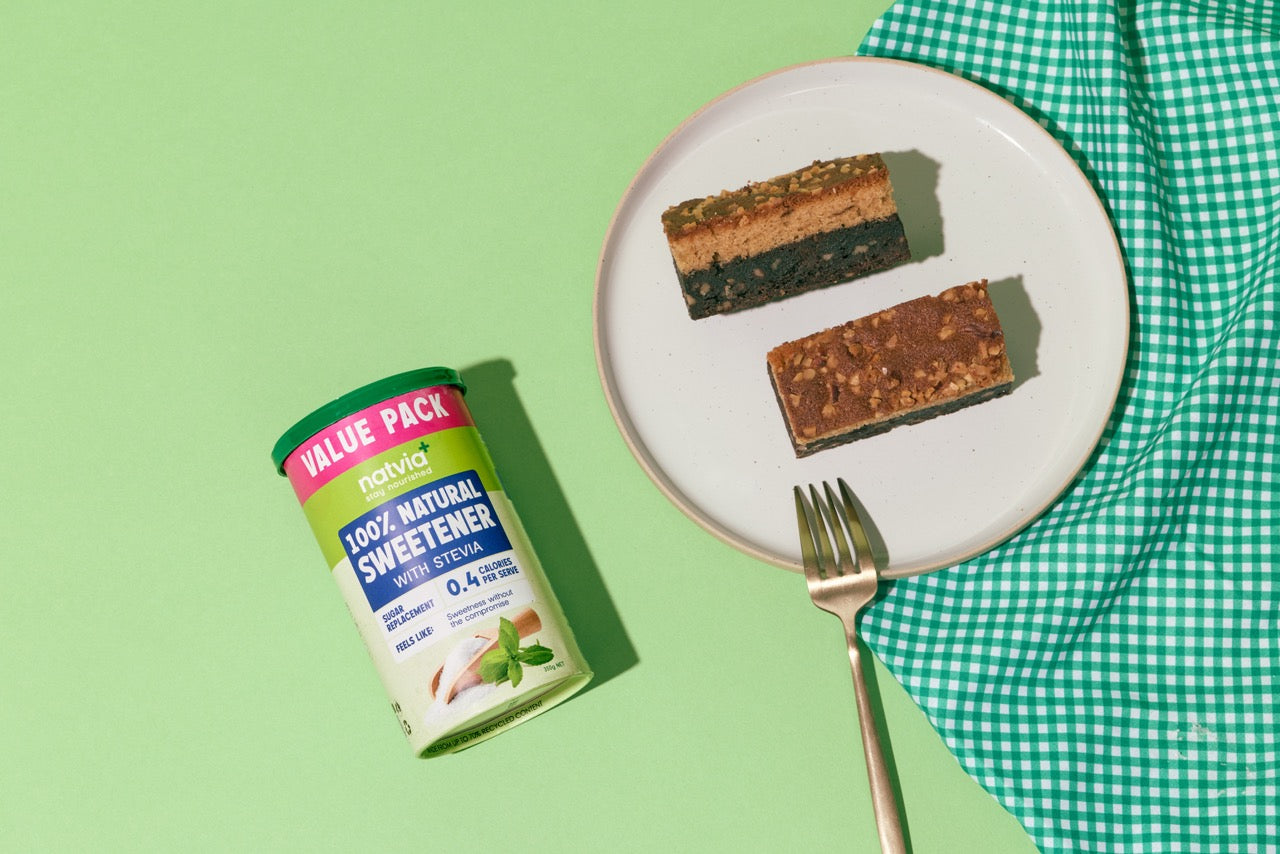
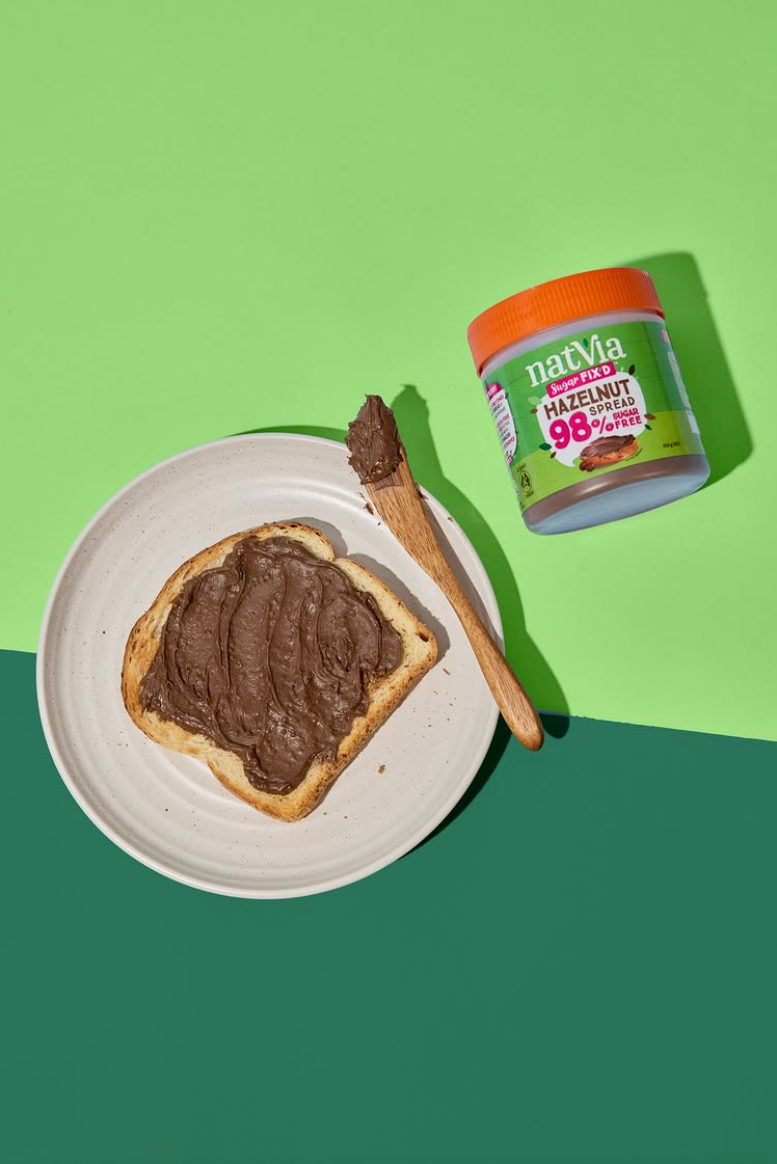
There is a trend circulating in wellness culture that sits somewhere between funny and concerning: the idea that you can reduce sugar cravings by smelling dessert instead of eating it. It shows up as a quick joke, a “discipline hack,” or a quiet flex. Someone walks past a bakery, inhales the cinnamon scroll aroma, and claims the craving is handled. Others suggest sniffing vanilla or chocolate as a way to “reset” your sweet tooth. The logic is appealing because it promises control without consequence. But the internet’s relationship with food can get messy, fast. If the trend implies that dessert is something to resist, that satisfaction should be delayed indefinitely, or that eating is a failure, then it stops being a harmless ritual and starts crossing into unhelpful territory. A healthier, more sustainable conversation starts with a simple truth: you are allowed to eat dessert. Enjoyment is not a problem. The goal, for most people, is not to remove sweetness from life. It is to reduce excess sugar in a way that still feels satisfying. So does smelling dessert reduce cravings. What does science suggest about scent, desire, and reward. And if you want to reduce sugar, what actually works long term while still letting dessert stay on the menu. Why This Trend Took Off in the First Place The appeal of the smell-only approach makes sense when you look at how cravings work. Most dessert cravings are not driven by hunger alone. They are shaped by routine, mood, stress, and reward learning. When someone feels a craving, what they often want is the feeling associated with dessert: comfort, celebration, relief, or a familiar end to the day. Smelling dessert feels like a shortcut to that feeling. It looks like self-control. It is quick, easy, and aesthetically “wellness-coded.” It also fits perfectly into internet culture, where a simple ritual gets packaged as a life-changing hack. The problem is that cravings are not usually solved by hacks. They are patterns built through repetition and reinforcement. What Smell Actually Does in the Brain Smell matters because it is deeply connected to memory and emotion. The olfactory system has direct links to brain regions involved in emotional processing and reward learning. When you smell vanilla, caramel, citrus zest, or warm baked notes, you are not just detecting aroma. You are triggering associations. That can include comfort, nostalgia, and anticipation. This is where dopamine comes in. Dopamine is involved in reward prediction and learning. It rises when the brain expects something rewarding. Importantly, this anticipation can start before you eat. It can begin with sight, smell, and context. This is why dessert cravings often “start” the moment you walk past a bakery or open the pantry, even if you ate recently. The brain is responding to cues that predict reward. Smelling dessert can intensify anticipation, but it can also bring awareness to the craving. It can slow the moment down. It can help you notice what you are actually feeling. That is the best case scenario. The trend becomes misleading when it claims that scent reliably satisfies a craving on its own. Myth vs Reality: Does Smelling Dessert Satisfy Cravings The myth is that smelling dessert can switch cravings off and reduce sugar intake simply by replacing eating with scent. The reality is more complicated. Some people may notice that engaging the senses can temporarily soften a craving. This can happen if the craving is driven by habit or emotional restlessness and the sensory moment provides a pause. But for many people, smelling dessert without eating it does not resolve anything. It may increase desire by heightening anticipation. It can also create a sense of deprivation if the person actually wanted a treat. This is why the smell-only trend is not a reliable sugar reduction strategy. It risks turning dessert into a test of restraint, rather than something you can enjoy intentionally. When dessert becomes moralised, cravings often rebound. The brain does not interpret deprivation as wellness. It interprets it as missing reward, which can make cravings louder later. If your goal is to reduce sugar sustainably, the strategy has to include satisfaction, not just restraint. What Actually Helps Reduce Sugar Without Losing Enjoyment Reducing sugar works best when it is not framed as punishment. A more effective approach is to keep dessert in your life, but reduce the sugar load while protecting what makes it satisfying. Satisfaction comes from multiple factors: flavour, texture, richness, temperature, ritual, and permission. When those are present, dessert can feel complete without needing as much sugar to do the heavy lifting. This is where lower sugar dessert options matter. They allow you to enjoy sweet treats in a way that feels indulgent, while reducing excess sugar intake overall. It is not about swapping pleasure for discipline. It is about swapping intensity for balance. Instead of “smell it and walk away,” the better reset is “eat it, enjoy it, and choose a version that supports your goals.” Where the Gut Comes In Emerging research into the gut-brain axis suggests that digestive comfort may influence how appetite and cravings are experienced. The gut communicates with the brain through nerves and chemical messengers. When the digestive system feels unsettled, hunger cues can be harder to interpret, and cravings may blend with stress responses or emotional cues. When routines are steadier and digestion feels comfortable, appetite signals can feel clearer and cravings may feel less urgent. This is not about claiming any single food eliminates cravings. It is about recognising that the body’s internal state influences how intense cravings feel. Supporting digestive comfort, staying hydrated, eating regularly, and choosing foods that feel good in your body can create a calmer baseline. From that baseline, it becomes easier to enjoy dessert intentionally rather than feeling like cravings are running the show. A Smarter Take on the Trend: Use Scent to Enjoy More, Not Eat Less If you want to salvage something useful from the trend, here is the healthiest interpretation: smell can be part of enjoyment. It can be a way to slow down and make dessert feel more satisfying when you do eat it. Instead of rushing through a sweet treat, you engage your senses, take your time, and let the brain register the experience fully. That is very different from using scent as a substitute for eating. This approach is not about reducing sugar by removing dessert. It is about reducing sugar by making the dessert you choose more balanced, and making the experience more satisfying. Dessert Ideas That Deliver Satisfaction With a Lower Sugar Load Natvia dessert recipes are built for this exact middle ground. They are designed to keep dessert enjoyable while reducing added sugar. They lean into flavour, aroma, and texture so that sweetness need not be overpowering to feel indulgent. Options that tend to deliver strong satisfaction include strawberry yoghurt bark with swirls of fruit spread, citrus loaf cake with bright aromatic zest, hazelnut spread brownies for rich chocolate comfort, and vanilla chia pudding with fruit and warm spice notes. These choices still look and taste like dessert. They simply support a lighter sugar approach that is easier to live with long-term. Where Natvia Gut Activation Sweetener Fits In If your goal is reducing sugar without losing the ritual of sweetness, Natvia Gut Activation Sweetener fits naturally into everyday routines. It combines a naturally derived stevia blend with prebiotics and probiotics, ingredients commonly associated with supporting a balanced gut environment as part of a varied diet. Used in baking, coffee, yoghurt bowls, or desserts, it helps keep sweetness enjoyable without creating a heavy sugar load. The takeaway is not that you need to find tricks to avoid dessert. The takeaway is that you can keep dessert, enjoy it, and make it more supportive of your goals. Dessert should be a pleasure, not a pressure point. Reducing sugar works best when it is built on satisfaction, stability, and choices you actually want to repeat.
Learn more
The 60 Second Rule to Reduce Sugar Cravings and Eat With Awareness
January usually brings fresh motivation to reset habits, especially around sugar. Yet even with the best intentions, cravings often feel louder than our goals. Many people believe this reflects a lack of discipline, but cravings are not simply about taste or willpower. They are rapid neurological, emotional, and digestive patterns that activate long before conscious decision-making enters the picture. The 60 Second Rule is a practical and straightforward behaviour tool that helps interrupt the craving cycle. By pausing for one minute before acting on a craving, the nervous system has time to settle, the emotional impulse has space to soften, and the brain can transition out of automatic behaviour. This small gap can make it easier to respond to cravings with intention, especially when paired with supportive daily habits. The goal of this approach is not to eliminate sweetness. It is to create a healthier relationship with it, one that feels intentional rather than compulsive. What Happens in the Brain During a Craving A craving begins when the brain anticipates something rewarding. Dopamine, the neurotransmitter involved in reward learning, rises in expectation of relief or pleasure. Dopamine reflects anticipation rather than happiness. The brain is preparing to complete a behaviour that has previously felt comforting or predictable. This is why cravings occur at consistent times, such as after dinner or during mid-afternoon fatigue. The brain is not chasing sugar itself; it is trying to complete a learned loop. The sensation feels urgent because the nervous system shifts into a motivational state, encouraging action before reasoning catches up. The 60 Second Rule works because it introduces a deliberate pause into this automatic pattern. During that minute, the brain has the opportunity to re-engage higher reasoning and context, making it easier to evaluate the craving rather than respond reflexively. Why Emotional States Intensify Cravings Cravings often feel strongest during emotional strain. Stress, boredom, frustration, or sadness can all activate the desire for something sweet. Emotional eating is rooted in early bonding, comfort-seeking, and predictable sensory relief. Sweetness has long been associated with safety and soothing. When discomfort grows, the brain seeks rapid emotional regulation. Sweet foods provide a familiar and immediate sensory shift, which makes them appealing during difficult moments. This does not mean a person lacks discipline; it means the body is trying to change its emotional state using methods it has learned over time. Understanding this removes the shame that often surrounds cravings. The 60 Second Rule gives space for the emotional wave to pass. Instead of reacting from urgency, the individual gains a moment to decide whether the craving reflects hunger, stress, or habit. How the Gut Influences Craving Signals Emerging research into the gut-brain axis suggests that digestive health plays a role in appetite regulation and in the intensity of cravings. The gut communicates with the brain through neural pathways, chemical signals, and microbial metabolites. When the digestive system feels calm and balanced, the brain receives clearer messages about hunger and satisfaction. When the gut feels unsettled, signals can become harder to interpret, which may influence perceived cravings. This does not suggest that gut health eliminates cravings. Supporting digestive comfort may help create a more stable internal environment. In that environment, cravings often feel less overwhelming and more manageable to pause. During the 60-second pause, many people notice that the craving reduces as the body shifts into a more regulated state. This demonstrates how closely emotional, neurological, and digestive cues are linked. Why a 60 Second Pause Interrupts the Craving Loop A craving typically rises quickly and fades if not acted on immediately. Behavioural psychology often refers to this natural rise and fall as “urge surfing.” When the craving peaks, the impulse feels strong, but it usually subsides within a short time. The pause interrupts the cue-routine-reward loop, giving the brain space to reassess whether the action is necessary. Pausing, even briefly, helps the nervous system transition from a reactive state to a more grounded one. This shift makes it easier to choose nourishment intentionally, including whether a sweet treat is truly wanted or whether a gentler option might feel better. The rule is not designed to restrict or punish; it simply allows choice to return to the conversation. Pairing the Pause With Stability in the Body The 60 Second Rule becomes even more effective when supported by habits that keep energy and digestion steady. Cravings tend to feel stronger when the body experiences wide swings in energy or when the gut feels unsettled. Creating stability through balanced meals, hydration, sleep, and supportive ingredients can help reduce internal stress signals that amplify cravings. This is where natural sweeteners become valuable. They allow people to maintain rituals they enjoy, such as an afternoon drink or a dessert, without reinforcing the same intensity associated with added sugar. This preserves the emotional comfort of the ritual while offering a more balanced approach. A New Mindset for January and Beyond The 60 Second Rule reframes cravings as patterns rather than flaws. A craving is not a command; it is often a temporary surge of emotional or neurological activation that can settle with a moment of pause. When combined with supportive lifestyle habits and gentle sweetness rituals, the rule helps people shift from reactive eating to intentional nourishment. This approach turns January into an opportunity for clarity rather than restriction. Understanding the craving loop, listening to the body, and making choices that support wellbeing create a sustainable relationship with sweetness throughout the year. For those exploring supportive daily options, Natvia Gut Activation Sweetener offers a naturally derived stevia blend combined with prebiotics and probiotics, ingredients commonly associated with supporting a balanced gut environment. It can be used in everyday rituals as a lighter, more balanced way to enjoy sweetness.
Learn more
Hidden Sugars You’re Eating Without Realising
Sweetness has a way of sneaking into our diets without asking for attention. It appears in places we barely register, woven into foods that feel practical, nourishing, or simply familiar. Over time, these small and repeated exposures quietly shape how often we crave sugar and how strongly those cravings show up. What makes this pattern so persistent is not indulgence, but subtlety. Hidden sugars can blend seamlessly into daily routines, reinforcing expectations in the brain without ever feeling like a conscious choice. What Hidden Sugars Really Look Like in Everyday Eating Hidden sugars are not necessarily secret ingredients. They are forms of sweetness that appear in foods where people do not expect sweetness, or where the sweetness is gentle enough to feel neutral rather than indulgent. Flavoured yoghurts, bottled smoothies, breakfast cereals, sauces, dressings, snack bars, iced coffees, and so-called healthy beverages often fall into this category. Because these foods are eaten regularly and often without much thought, the exposure accumulates. From a behavioural perspective, the issue is rarely a single ingredient. It is repetition. Repeated exposure to sweetness, even in small amounts, trains the brain to expect it throughout the day. How the Brain Learns to Crave Sugar To understand why this matters, it helps to look at how the brain processes reward. When we eat something sweet, the brain releases dopamine. Dopamine is often described as the pleasure chemical, but its primary role is learning and anticipation. It helps the brain remember what led to a rewarding experience so it can seek it out again. Over time, dopamine is released not only when sugar is eaten, but also when sugar is expected. Time of day, emotional states, or familiar routines like an afternoon coffee or an evening wind-down can trigger this anticipation. This is why cravings often appear before physical hunger sets in. The brain is responding to a learned pattern, not a biological emergency. Hidden sugars strengthen this loop by keeping sweetness present across more eating occasions than we realise. Habit Loops, Anticipation, and Emotional Eating Cravings are rarely about one isolated moment. They are about sequences that repeat. A busy morning might begin with a sweetened coffee. A mid-afternoon dip could lead to a flavoured snack. An evening routine may end with something subtly sweet again. None of these moments feels excessive on its own, but together they create a rhythm. The brain learns that sweetness accompanies productivity, comfort, or relaxation. Once this association is established, the absence of sweetness can feel like something is missing. This is not a failure of discipline. It is how habit learning works. Emotions add another layer to this loop. Stress, fatigue, boredom, and low mood can all increase the desire for sweet foods. Sweetness is familiar, predictable, and immediately reassuring. From a psychological perspective, reaching for sugar during emotional moments is a coping strategy, not a flaw. Hidden sugars complicate this further by blurring the line between eating for nourishment and eating for comfort. When everyday foods quietly contain sweetness, emotional eating can happen without intention or awareness, reinforcing the loop over time. The Gut-Brain Connection and Perceived Cravings Emerging research has drawn attention to the communication pathway between the gut and the brain, often referred to as the gut-brain axis. This system involves nerves, hormones, and chemical messengers that allow the digestive system and the brain to influence one another. Digestive comfort and overall gut environment may play a role in how the body experiences hunger, fullness, and food-related sensations. While this area of research continues to evolve, there is growing interest in how gut signals may influence perceived cravings and appetite cues. This does not suggest that specific foods can cure cravings. Instead, it reflects a broader understanding that physical comfort, digestive regularity, and consistent eating patterns may influence the intensity of cravings. Making Sweetness Intentional, Not Hidden This is why hidden sugars often feel more complicated to manage than desserts. Desserts are intentional. They are chosen, anticipated, and enjoyed. Hidden sugars are passive. They enter the diet quietly and frequently, making it harder for the brain to separate nourishment from reward. Over time, this can leave people feeling as though they are always craving something, even when meals are regular and balanced. The craving is not necessarily for food itself, but for the familiar dopamine signal that sweetness provides. Recognising where sweetness appears is not about fear or restriction. It is about awareness. One of the most important mindset shifts in any healthy reset is removing judgment from cravings altogether. Cravings are not a sign of weakness. They are learned responses shaped by biology, psychology, and environment. Changing patterns does not require perfection. It requires consistency, curiosity, and supportive choices that align with real life. For many people, reducing hidden sugars does not mean removing sweetness entirely. It means choosing where and how sweetness shows up. This is where naturally derived sweeteners like Natvia Gut Activation Sweetener can play a supportive role. Made with stevia and a synbiotic blend of prebiotics and probiotics, it includes ingredients commonly associated with supporting a balanced gut environment as part of a varied diet. Used mindfully, it allows people to maintain familiar rituals like coffee, yoghurt, or desserts without adding unnecessary sugar. No single ingredient changes cravings on its own, but when sweetness becomes intentional rather than hidden, the craving loop may feel easier to manage. A reset does not have to mean cutting everything out. It can be an opportunity to notice what has quietly become normal and to choose what feels more supportive moving forward. Hidden sugars are not the enemy. They are simply part of a food system that prioritises sweetness everywhere. Awareness is the first step toward balance. When routines feel stable and choices feel intentional, craving patterns often soften. And that is where real change begins.
Learn more


Wellness inspiration, straight to your inbox.
Join the Natvia Nourish Club for weekly recipes, wellness tips, and 15% off your first order.