
Nourish Wellness Hub


How Many Ways Can You Substitute Traditional Sugar?
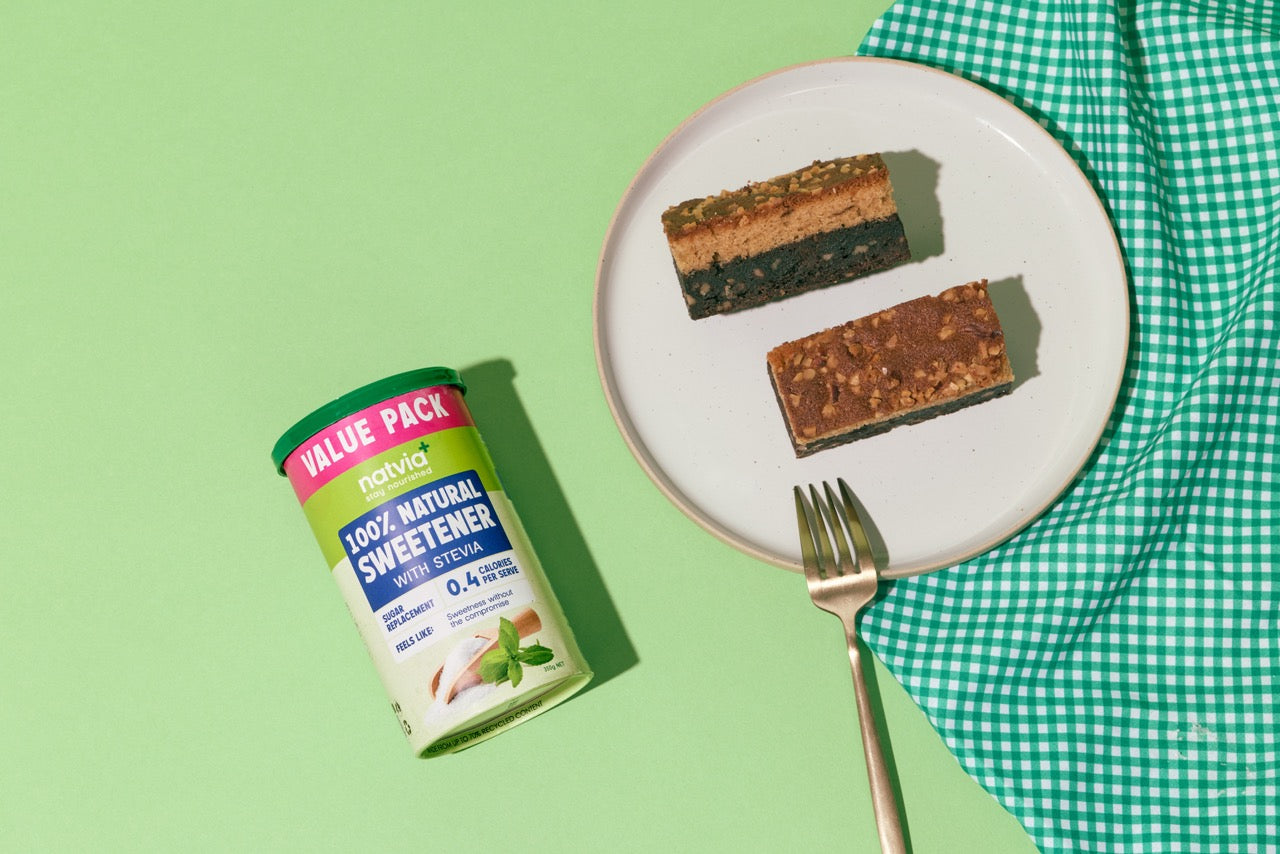
Sugar is everywhere, from the obvious treats to the hidden sources in sauces, breads, and drinks. While it adds sweetness, excessive sugar intake has been linked to a range of health concerns. Fortunately, there are better-for-you options that can satisfy your sweet tooth without the drawbacks. Choosing natural sweeteners and sugar substitutes can help you enjoy sweetness while being mindful of your overall health. Understanding your sugar consumption and what drives cravings is key to making lasting changes. Sweet Alternatives for a Healthier You Sugar is everywhere, from obvious treats to hidden sources in sauces, breads, and drinks. While tempting, excessive sugar intake has been associated with a range of health concerns. Fortunately, there are better-for-you options that can satisfy your sweet tooth without the drawbacks. Choosing natural sweeteners and sugar substitutes can help you enjoy sweetness while being mindful of your overall health. Understanding your sugar consumption and what drives cravings is key to making lasting changes. Excessive sugar intake has been linked to: Immune system disruption Nutrient imbalance Vision-related concerns Signs of premature ageing Inflammatory responses Insulin sensitivity issues Sugar intolerance symptoms Cardiovascular risk factors Cellular stress Elevated uric acid levels Given these risks, finding alternatives is a smart step toward better wellbeing. Natvia 100% Natural Sweetener is a delicious substitute for traditional sugar. Made from stevia and erythritol, it’s non-GMO and free from artificial additives. Natvia offers a range of sugar-free products including hot chocolate, sauces, spreads, and cereal, making it easier to enjoy sweetness without compromise. Enjoy sweetness, naturally. Source: Misra, V, A.K. Shrivastava, S.P. Shukla & Mohammad Israil Ansari n.d., ‘Effect of sugar intake on human health’, no. ISSN 2518-3397, p. 32, viewed 14 August 2024, <https://scholarsmepub.com/sjm/>. Prada, M, Saraiva, M, Garrido, MV, Sério, A, Teixeira, A, Lopes, D, Silva, DA & Rodrigues, DL 2022, ‘Perceived Associations between Excessive Sugar Intake and Health Conditions’, Nutrients, vol. 14, no. 3, p. 640.
Learn more
Elevate Your Gut Health with Natvia+ Gut Activation
Support your gut health with Natvia+. Our unique formula combines the benefits of probiotics and prebiotics to promote digestive wellness. Enjoy a natural, low-calorie sweetener that supports your body's balance. Unlock the Power of Synbiotics: Natvia+ Gut Activation Despite growing interest in gut health, many people are unaware of the powerful benefits that synbiotics, probiotics, and prebiotics can offer. These essential components play a crucial role in maintaining a healthy digestive system, yet their full potential is often overlooked. Synbiotics are a combination of probiotics and prebiotics working together to improve the survival and effectiveness of beneficial microorganisms in the gut. They can regulate the gut microbiota, offering potential benefits for health and disease prevention. Recent technological advances have revealed the diversity of gut microorganisms, highlighting the promise of synbiotics in enhancing gut health. Probiotics are live microorganisms that add 'good' bacteria to your gut and can aid digestion. Prebiotics feed the healthy bacteria in your gut. Probiotic organisms play a key role in maintaining a healthy balance of intestinal microbiota and have been shown to positively impact overall health. They hold therapeutic potential for conditions like obesity, insulin resistance, type 2 diabetes, and non-alcoholic fatty liver disease. Probiotics may also help treat irritable bowel syndrome, gastrointestinal disorders, bacterial infections, and diarrhea. Additionally, they can help alleviate lactose intolerance and atopic dermatitis and may offer benefits during peptic ulcer treatment, cancer treatment, and its side effects. A prebiotic is a non-digestible substance that promotes the growth or activity of beneficial colonic bacteria, thereby enhancing the host's health. Prebiotics can be used alone or to support probiotics, potentially boosting their effects in the small intestine and colon. Acting as a food source for beneficial gut microorganisms, prebiotics are associated with various health benefits. At Natvia, we understand the importance of gut health, which is why we embrace the concept of synbiotics. Synbiotics represent a powerful combination of probiotics and prebiotics, working hand in hand to support digestive wellness and overall vitality. With Natvia+ Gut Activation, we bring a blend of sweetness and wellness to your daily routine. Natvia+ Gut Activation is more than just a natural sweetener; it is a proactive step towards better gut health. Infused with prebiotics, it nourishes the beneficial bacteria in your gut, helping them thrive and enhance your digestive system’s function. By choosing Natvia+, you are not only satisfying your sweet tooth with a natural, low-calorie alternative, but you are also supporting your body's natural balance. Make Natvia+ Gut Activation a part of your wellness journey and enjoy the dual benefits of delicious sweetness and improved gut health. Recipes That Use Natvia+ Gut Activation Sweetener @natvialivingofficial Coconut matcha cloud? Say less 🥥 Whipped matcha cream floating over iced coconut water, it’s the kind of drink that feels fancy but takes minutes to make. We used Natvia Synbiotic Sweetener (UK, find it at @TESCO), but if you're in Aus, Natvia Natural Sweetener does the trick too, less sugar, same vibe. Recipe in the comments 👇 #CoconutMatchaCloud #MatchaLatte #IcedMatcha #matcha ♬ Confidence (sped up version) - Ocean Alley Source: Markowiak, P & Śliżewska, K 2017, ‘Effects of Probiotics, Prebiotics, and Synbiotics on Human Health’, Nutrients, vol. 9, no. 9, p. 1021. Pandey, KavitaR, Naik, SureshR & Vakil, BabuV 2015, ‘Probiotics, prebiotics and synbiotics- a review’, Journal of Food Science and Technology, vol. 52, no. 12, pp. 7577–7587. Thilagavathi, T 2020, ‘Probiotics, Prebiotics, Synbiotics and its Health Benefits’, International Journal of Current Microbiology and Applied Sciences, vol. 9, no. 11, pp. 497–511.
Learn more
Sweeten Your Life Naturally: A Guide to Reducing Sugar Intake
Tired of the sugar overload? Explore the world of natural sweeteners like Natvia. Enjoy the sweetness without the guilt and support your overall health. Beyond the Controversy: A Balanced Approach to Sugar Consumption The excessive consumption of added sugars and artificial sweeteners has become a significant health concern in recent years. Studies have linked high sugar intake to various health problems, including obesity, diabetes, and heart disease. While it's challenging to eliminate sugar entirely from our diets, making informed choices about the types of sweeteners we consume can have a positive impact on our overall health. Benefits of Sugar and Sweeteners: While excessive sugar consumption is harmful, moderate amounts can provide certain benefits: Energy: Sugar is a source of quick energy, which can be beneficial for athletes or individuals who need a boost during physical activity. Mood: Some studies suggest that sugar can have a positive effect on mood and cognitive function. Taste: Sugar is a natural flavor enhancer and can make foods more enjoyable. The Dangers of Excessive Sugar Obesity: High sugar intake is a major contributor to obesity, which can lead to a range of health problems, including heart disease, diabetes, and stroke. Diabetes: Consuming too much sugar can increase the risk of developing type 2 diabetes. Dental problems: Sugar can contribute to tooth decay and gum disease. The Importance of Moderation While it's essential to be mindful of your sugar intake, it's also important to avoid extremes. A balanced approach that includes moderate amounts of natural sugars and sweeteners can be part of a healthy diet. Natural Sweeteners as Alternatives Stevia: A natural sweetener derived from the stevia plant, stevia is zero-calorie and has a high sweetness intensity. Erythritol: A sugar alcohol found naturally in fruits and fermented foods, erythritol is low-calorie and has a similar sweetness to sugar. Honey: A natural sweetener produced by bees, honey has some health benefits, such as antioxidant properties. Maple syrup: Another natural sweetener, maple syrup is slightly lower in calories than sugar and has a distinct flavour. Tips for Reducing Sugar Intake Read food labels carefully: Look for added sugars listed under various names, such as sucrose, fructose, and high-fructose corn syrup. Choose whole foods: Fruits, vegetables, and whole grains are naturally low in added sugars. Limit processed foods: Many processed foods contain high amounts of added sugars. Be mindful of portion sizes: Even healthy foods can be high in sugar if consumed in excess. Experiment with natural sweeteners: Try incorporating natural sweeteners like honey or maple syrup in moderation. Stay hydrated: Drinking plenty of water can help curb sugar cravings. By making informed choices about the types of sweeteners you consume and practicing moderation, you can enjoy a healthier and more balanced lifestyle.
Learn more
Embracing Stevia and Monk Fruit Sweeteners
In a world where our dietary choices significantly impact our well-being, the sweeteners we choose have come under the spotlight. The desire for sweetness remains constant, but our approach to achieving it is evolving. Stevia and Monk Fruit sweeteners are two natural alternatives that offer numerous benefits, reshaping the way we sweeten our lives. The Sweet Revolution: Stevia and Monk Fruit Stevia and Monk Fruit sweeteners are leading a revolution in the world of natural sweetening. These sweeteners are derived from plants and have distinct characteristics that set them apart: Stevia: Stevia sweeteners are extracted from the leaves of the Stevia plant. They are incredibly sweet, often hundreds of times sweeter than sugar, but without the calories. Monk Fruit: Monk Fruit, also known as Luo Han Guo, is a fruit native to Southeast Asia. Its extract provides intense sweetness without the calories and carbohydrates found in sugar. The Health Benefits of Stevia and Monk Fruit Sweeteners Stevia and Monk Fruit sweeteners offer a range of health benefits that make them a preferred choice for many individuals: Zero Calories: Both Stevia and Monk Fruit sweeteners are virtually calorie-free, making them an excellent option for those watching their calorie intake. Blood Sugar Control: Stevia and Monk Fruit sweeteners have minimal effects on blood sugar levels, making them safe for people with diabetes or those looking to manage their sugar intake. Weight Management: Their lack of calories and low impact on blood sugar make them valuable tools for weight management and overall health. Tooth-Friendly: Unlike sugar, which promotes tooth decay, these sweeteners are tooth-friendly and do not contribute to dental problems. No Artificial Additives: Stevia and Monk Fruit sweeteners are derived from natural sources, ensuring that you're not consuming artificial additives or chemicals. Versatility in the Kitchen One of the remarkable aspects of Stevia and Monk Fruit sweeteners is their versatility. You can use them as a one-to-one replacement for sugar in a wide range of recipes, from beverages and baked goods to savory dishes. Embracing a Healthier Sweetness As we continue to prioritize health-conscious choices in our lives, the emergence of natural sweeteners like Stevia and Monk Fruit is changing the way we satisfy our sweet cravings. These sweeteners offer all the sweetness we desire without the calorie and health drawbacks associated with sugar. Whether you're looking to cut calories, stabilize blood sugar, or make more natural choices, Stevia and Monk Fruit sweeteners are leading the way in the sweet revolution. It's time to embrace the natural sweetness that these alternatives provide and take a step towards a healthier, more balanced life.
Learn more
Sweet Skin Starts Within: Why Cutting Sugar Could Help Your Glow
If your skincare routine isn’t delivering the results you hoped for, it might be time to look at what’s on your plate. While cleansers and creams play a role, your diet can also influence how your skin looks and feels. One simple change? Reducing sugar and Natvia makes it easier.
Learn more

Empower Your Wellness Journey
Ready to prioritize your health? Explore these 15 actionable habits to create a balanced lifestyle. From nutritious eating and regular exercise to mindfulness and social connections, discover how small changes can make a big difference in your overall well-being. Empower Your Wellness Journey: 15 Essential Healthy Habits Maintaining a healthy lifestyle is not just about dieting and exercise; it's a comprehensive approach that encompasses a range of habits and choices. When we make positive changes to our daily routines, we can enjoy a more balanced and fulfilling life. In this blog post, we'll explore some essential healthy habits that can help you achieve and sustain a healthier, happier lifestyle. 1. Prioritize Nutritious Eating A healthy diet is the foundation of a healthy life. Focus on consuming a variety of whole, unprocessed foods. Make fruits, vegetables, lean proteins, whole grains, and healthy fats a part of your daily meals. Stay hydrated by drinking plenty of water, and limit your intake of sugary and highly processed foods. 2. Regular Exercise Physical activity is vital for maintaining good health. Whether it's a brisk walk, a gym workout, yoga, or dancing, find an activity you enjoy and make it a part of your routine. Aim for at least 150 minutes of moderate-intensity exercise per week, and include strength training for muscle health. 3. Get Enough Sleep Adequate sleep is often underestimated but crucial for overall well-being. Ensure you get 7-9 hours of quality sleep each night to support physical and mental health. Good sleep habits can reduce stress, improve concentration, and enhance your mood. 4. Manage Stress Chronic stress can have a detrimental impact on health. Practice stress management techniques like meditation, deep breathing, mindfulness, or yoga. Taking breaks and finding time for relaxation can help you better cope with life's challenges. 5. Stay Hydrated Proper hydration is essential for various bodily functions. Drinking enough water can aid digestion, improve skin health, and help maintain energy levels. Aim to drink at least 8 cups (64 ounces) of water daily, adjusting for your activity level and climate. 6. Limit Screen Time Excessive screen time, whether on a computer, TV, or smartphone, can lead to a sedentary lifestyle and poor posture. Set limits on your screen time and take regular breaks to move and stretch. 7. Practice Mindful Eating Mindful eating involves paying attention to what you eat, savoring each bite, and listening to your body's hunger and fullness cues. This habit can help you make better food choices and prevent overeating. 8. Maintain Social Connections Strong social connections are linked to improved mental and emotional health. Make time for friends and family, whether through face-to-face interactions, phone calls, or video chats. Building a support network can provide a sense of belonging and reduce feelings of isolation. 9. Protect Your Mental Health Mental health is as important as physical health. Seek professional help if you're struggling with mental health issues. Don't hesitate to talk to a therapist or counselor if needed. 10. Set Realistic Goals When aiming for a healthier lifestyle, set achievable goals. Be patient with yourself and avoid comparing your progress to others. Small, sustainable changes over time can lead to significant improvements. 11. Get Outdoors Spending time in nature can reduce stress, improve mood, and boost creativity. Take breaks to enjoy the outdoors, whether it's a hike, a stroll in the park, or gardening. 12. Practice Gratitude Cultivating a sense of gratitude can enhance your overall well-being. Regularly take a moment to reflect on the positive aspects of your life, no matter how small they may seem. 13. Learn to Say No Setting boundaries and learning to say "no" when necessary can reduce stress and prevent burnout. It's okay to prioritize your well-being and allocate your time and energy wisely. 14. Embrace Lifelong Learning Continuously challenge your mind and keep learning new things. This not only enriches your life but also supports cognitive health. 15. Give Back Helping others and contributing to your community can bring a sense of purpose and fulfillment. Engage in volunteer work or support charitable organizations that resonate with your values.
Learn more


Wellness inspiration, straight to your inbox.
Join the Natvia Nourish Club for weekly recipes, wellness tips, and 15% off your first order.