

Nourish Wellness Hub
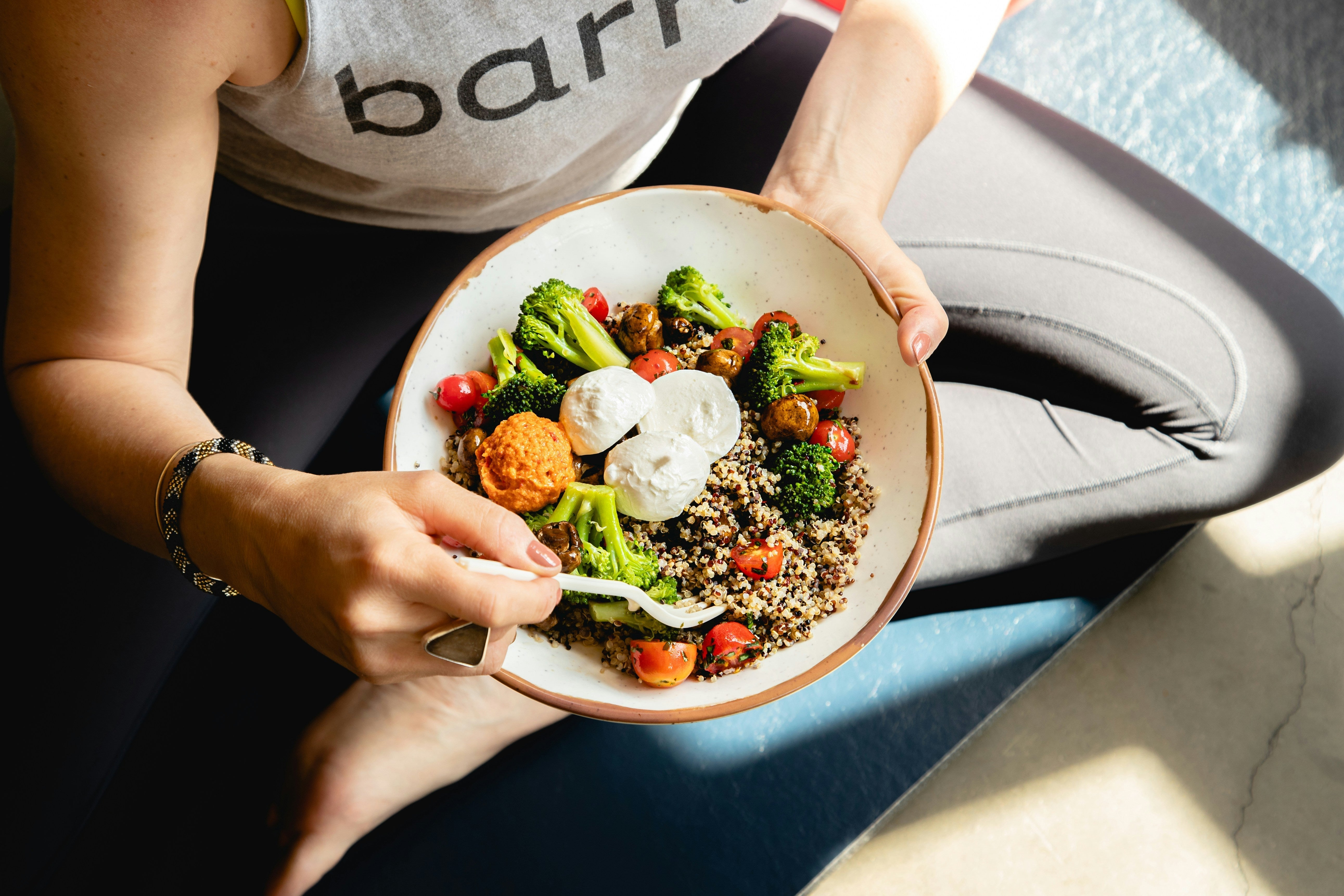

Movement for Energy, Mobility, and Mental Clarity
Movement is often framed as an elective aspect of health, something added onto life once time, motivation, or discipline allows, yet from a physiological perspective, movement is not optional. The human body evolved to function through continual interaction with gravity, space, and resistance, and when that interaction is reduced or delayed, the effects are not only seen in muscles and joints but also across systems responsible for energy regulation, digestion, and cognitive clarity. Modern lifestyles have concentrated movement into isolated windows, often labelled as exercise, while the rest of the day is spent in prolonged stillness. This separation creates a mismatch between how the body is designed to function and how it is required to operate, leading to fatigue that does not resolve with rest, stiffness that accumulates despite occasional activity, and mental fog that persists even when productivity is high. Movement, when restored as a regular rhythm rather than a scheduled event, supports the body in maintaining balance without strain. How Movement Regulates Energy, Mood, and the Nervous System The benefits of movement extend far beyond physical conditioning, influencing the nervous system and shaping mood, attention, and emotional resilience. Periods of extended mental focus, especially when paired with minimal physical expression, can build up stress hormones that the body has no opportunity to metabolise. Movement provides that outlet, allowing physiological stress responses to complete their cycle rather than remaining suspended. Gentle, consistent movement stimulates circulation, improves oxygen delivery, and supports neurotransmitter balance, all of which contribute to clearer thinking and more stable energy. Activities such as walking, mobility work, yoga, and low-impact strength training engage the body without overwhelming it, creating a state in which mental clarity emerges naturally rather than through force. When movement is approached as regulation rather than optimisation, it becomes easier to sustain. The nervous system responds favourably to predictability, and regular movement signals safety and competence, reducing the background tension that often drives fatigue and emotional reactivity. Movement, Digestion, and the Stability of Daily Energy Digestion is not an isolated process but one that responds continuously to the body’s overall state. Physical movement supports digestive rhythm by stimulating muscular contractions within the gastrointestinal tract, improving circulation to digestive organs, and reinforcing parasympathetic nervous system activity once movement concludes. Sedentary patterns disrupt this rhythm, contributing to bloating, discomfort, and fluctuating appetite cues that are often attributed solely to diet. Regular movement, even at low intensity, helps restore digestive efficiency, which in turn stabilises energy levels and reduces reliance on external stimulation such as caffeine or sugar. As energy becomes more consistent, the body’s relationship with food often shifts. Hunger signals become clearer, fullness is recognised sooner, and cravings lose their urgency. This allows sweetness to be approached with intention rather than impulse, creating space for choices that preserve enjoyment while supporting balance. Within this broader framework, mindful sugar reduction becomes less about restriction and more about alignment. Selecting options that maintain flavour while reducing excessive sugar can integrate naturally into daily routines, particularly when digestive comfort and energy stability are priorities. This is where Natvia Gut Activation Sweetener can sit quietly within the landscape of daily nourishment, complementing rather than directing the overall approach. Rising Through Motion as a Sustainable Practice Movement becomes most effective when understood not as a means to an end but as a practice that supports presence in the body. When movement is integrated into daily life through walking, stretching, lifting, and shifting position, it reinforces the body’s capacity to generate energy through use rather than stimulation. This perspective reframes movement as a means to support clarity, resilience, and adaptability across all stages of life, regardless of fitness level or physical ability. Progress is measured not through performance metrics but through ease, consistency, and the ability to respond to physical and mental demands without depletion. Rising through motion, then, is not about acceleration or intensity. It is about allowing the body to express its need for movement in ways that are accessible, repeatable, and respectful of individual capacity. When movement functions as a daily rhythm rather than a goal, wellness becomes less of a pursuit and more of a lived condition, shaped quietly through repetition rather than ambition.
Learn more
Breathwork for Stress Relief and Better Sleep: How to Ground Your Body
Autumn has long been understood, across both ancient wellness systems and contemporary physiology, as a period of consolidation rather than acceleration, a moment in the year when the body naturally begins to turn inward, conserving energy, strengthening its internal systems, and recalibrating after the outward intensity of warmer months. As daylight shortens and temperatures cool, the nervous system subtly responds to these environmental cues, often without conscious awareness, shifting priorities from performance toward restoration. This seasonal transition is not symbolic alone; it is deeply biological. The body’s circadian rhythms, hormone production, and stress response are influenced by changes in light exposure and temperature, which explains why many people experience altered sleep patterns, fluctuating energy levels, and increased stress sensitivity as autumn progresses. In this context, grounding practices are not indulgent rituals but essential tools for maintaining physiological balance, particularly as daily life continues to demand constant engagement, decision-making, and stimulation. Breath sits at the centre of this recalibration process. Unlike most bodily functions, breathing occupies a rare dual role, operating automatically while remaining accessible to conscious control, which makes it one of the most effective entry points for influencing the nervous system without medication, equipment, or disruption to daily routines. When breathing becomes shallow, hurried, or unconscious, the body interprets this pattern as a threat signal, activating stress pathways designed for short-term survival rather than long-term health. Over time, this chronic activation contributes to sleep disruption, digestive discomfort, emotional volatility, and the persistent sense of fatigue that so often masquerades as a lack of motivation. Intentional breathing reverses this signal. By slowing the breath, particularly the exhalation, the nervous system receives clear feedback that the environment is safe enough to release tension, restore digestive function, and transition into a state that supports repair rather than defence. This shift is subtle but cumulative, meaning that small, repeated moments of conscious breathing can meaningfully influence how the body responds to stress throughout an entire day and, eventually, an entire season. Autumn is therefore not simply an aesthetic backdrop for wellness practices but an optimal physiological window for grounding work, especially practices that stabilise the nervous system before asking the body to expand, strengthen, or adapt. Growth, after all, is not sustainable without stability, and stability is built through rhythms that repeatedly and reliably signal safety to the body. How Breathwork Supports the Nervous System During Seasonal Transitions Modern stress is rarely acute; instead, it presents as a low-level, continuous activation that the body never fully resolves. Emails replace emergencies, deadlines replace predators, and stimulation replaces silence, yet the nervous system responds with the same biological mechanisms it evolved to use thousands of years ago. Breathing patterns change accordingly, becoming faster and shallower, particularly during periods of prolonged mental effort, emotional strain, or overstimulation. This pattern has consequences. When the sympathetic nervous system remains dominant, digestion slows, sleep becomes lighter, appetite cues grow inconsistent, and cravings for quick energy sources, particularly sugar, become more pronounced. Breathwork interrupts this cycle by restoring balance between the sympathetic and parasympathetic branches of the nervous system, allowing the body to return to baseline rather than oscillating between urgency and exhaustion. What makes breathwork especially valuable during autumn is its ability to support multiple systems simultaneously. Slower breathing reduces cortisol output, improves heart rate variability, supports vagal tone, and enhances digestive efficiency, all of which contribute to better sleep quality and more stable energy levels. These changes do not occur through force or effort but through repetition, which is why breathwork is most effective when integrated into existing routines rather than treated as an isolated practice. Breath, Digestion, and the Role of Calm in Nourishment Digestion does not begin in the stomach; it begins in the nervous system. When the body perceives stress, blood flow is redirected away from the digestive organs toward muscles and sensory systems, prioritising action over assimilation. This explains why eating while rushed, distracted, or emotionally heightened often leads to bloating, discomfort, or fatigue, even when food choices themselves are balanced. Breathwork before and during meals helps restore parasympathetic dominance, allowing digestive processes to function more efficiently and hunger and satiety signals to be perceived more clearly. This relationship between breath and digestion becomes particularly relevant in conversations around sugar consumption and energy regulation. Chronic stress increases the body’s demand for rapid glucose, which can reinforce cycles of craving and fluctuation that feel difficult to control through willpower alone. By addressing stress at its source, breathwork reduces the physiological pressure driving these cravings, making mindful sugar reduction feel supportive rather than restrictive. In this context, small dietary adjustments, such as reducing added sugars while preserving flavour and pleasure, are more easily integrated into daily life. This is where gut-conscious options, such as Natvia Gut Activation Sweetener, can sit quietly within a broader framework of nourishment that prioritises nervous system balance and digestive comfort rather than dietary perfection.
Learn more
Back to School, Back to Self: Supporting Energy and Focus in Busy Households
In many families, energy is treated as something to push for. Children are expected to remain alert and productive for long stretches. Adults are expected to be responsive and efficient across multiple roles without pause. When energy dips, the instinct is to push harder. In practice, energy stabilises less through motivation and more through how the day is structured. During the return to school and work, families often experience the energy crash not because effort is lacking, but because high-demand activities are stacked too closely together. One practical way to support steadier energy is to insert low-demand activities between transitions. This might look like a short decompression window after school before homework begins, quiet play without instructions, time outside without a goal, or sitting together without conversation or tasks. These activities do not add stimulation. They allow energy to redistribute rather than collapse. Households that function with this awareness tend to protect energy more effectively. They anticipate demanding periods and simplify elsewhere. They allow pauses without framing them as wasted time. They adjust expectations rather than forcing output. This approach does not lower standards. It aligns daily effort with what the household can realistically sustain. Why Energy After a Long Holiday May Feel Unstable Fatigue following a long break rarely resembles burnout. It does not arrive with collapse or clear exhaustion. Instead, it feels unstable. Energy comes in short bursts and disappears quickly. Focus is available in flashes, then lost. Both children and adults may appear capable one moment and overwhelmed the next. This instability is not a contradiction. During breaks, stimulation is often irregular and self-directed. Sleep, food, movement, and attention follow internal cues rather than external schedules. When structured days resume, the body is abruptly asked to switch from internal regulation to external demands. The result is not necessarily low energy, but poorly distributed energy. Too much effort is required early in the day. Too many decisions are compressed into short windows. Recovery is postponed rather than built in. Over time, this creates the impression of constant tiredness, even when rest technically occurred. Understanding this distinction shifts the response. The question becomes not how to generate more energy, but how to stop draining it unnecessarily. Back to School Without the Energy Crash In many families, energy is treated as a performance metric. Children are expected to remain alert, engaged, and productive for extended periods. Adults are expected to be responsive, patient, and efficient across multiple roles without pause. When energy dips, the instinct is to push. In practical terms, avoiding the back-to-school energy crash often comes down to smoothing the day rather than pushing through it: Swapping sugar to natural sweeteners like Natvia Gut Activation Sweetener in lunchbox baking, yoghurt, sauces, or drinks so the sweetness stays familiar without rapid rises and drops Choosing one familiar sweet item to stay consistent across the week, so energy does not rely on novelty or quick sugar hits Pairing sweet foods with routine activities, like the same after-school snack before homework, instead of using sweetness as a reward or pick-me-up Letting sweetness be predictable rather than reactive, which supports steadier attention and mood without adding rules or extra decisions Households that function with a sense of shared capacity tend to protect energy more effectively. They anticipate demanding periods and simplify elsewhere. They allow quieter moments without framing them as unproductive. They adjust expectations rather than forcing output. This approach does not lower standards; it aligns effort with what the system can realistically support. How Food Timing Shapes Attention and Endurance Food is often discussed in terms of ingredients, but timing and context may matter just as much in daily life. Regular eating patterns are often associated with steadier attention because they reduce physiological uncertainty. When the body knows roughly when nourishment is coming, it expends less energy compensating for unpredictability. This can support endurance across long days without relying on constant stimulation. In busy households, meals are often rushed. Breakfast is hurried. Lunch is eaten on the move. Snacks fill gaps rather than punctuate the day. While this is sometimes unavoidable, it can subtly fragment energy. Sitting down when possible, repeating familiar meals during high-demand periods, and allowing space between eating occasions may help sustain attention. Digestive comfort also plays a role. Discomfort, even when mild, can quietly draw attention away from tasks and interactions throughout the day. This is not about perfect nutrition or control. It is about recognising that nourishment works best when it is predictable and that small choices, such as using a gut-supportive sweetener like Natvia Gut Activation Sweetener, can help sweetness sit more comfortably within everyday routines. A Subtle Reorientation of the Day Rather than redesigning the day, it can be useful to notice where energy is being lost. Energy is often preserved at the start of the day, with no immediate demand for output. Attention tends to last longer when meals arrive at predictable intervals rather than in response to urgency. After school and work transitions may benefit from a brief pause before new expectations are introduced. Familiar lunchbox and after-school foods can reduce cognitive load during already demanding windows. Allowing energy to fluctuate reduces the pressure that often undermines focus. These are not rules, but observations drawn from how capacity behaves over time. Returning to Self Without Leaving the Family Supporting energy and focus in busy households does not require optimisation. It requires restraint. When families stop treating energy as something to extract and start treating it as something to allocate, daily life often becomes less reactive. Focus becomes steadier because it is not being constantly demanded. Nourishment becomes supportive because it is predictable rather than performative. Returning to school and work after a long break is not a test of willpower. It is a negotiation between demand and capacity. When households respect that negotiation, energy begins to stabilise on its own terms. Back to school does not have to mean disconnection from self. In many cases, it is an opportunity to notice what quietly sustains attention and what drains it, and to choose accordingly. That awareness, more than any strategy, is what supports families over the long run.
Learn more
Lunchboxes Reimagined: Nourishing Ideas That Travel Well
There are a few objects in family life that carry as much quiet expectation as the lunchbox. It is packed early, often under time pressure, then handed over and forgotten until the end of the day, when it returns bearing the evidence. What was eaten? What was untouched? What leaked, bruised, or came home exactly as it left. We tend to think of lunchboxes as functional containers, but they are something else entirely. They are small, portable representations of care. They carry not only food, but mood, familiarity, and a sense of continuity between home and school. For children moving through long days of instruction, social navigation, and sensory input, the lunchbox becomes one of the few predictable touchpoints that belongs solely to them. Reimagining the lunchbox is less about constant variety and more about creating something that feels familiar, manageable, and easy to eat when time and attention are limited. Why Lunchboxes Are Emotional Objects Lunchboxes sit at the intersection of nourishment and reassurance. They arrive at a moment in the day when children are often tired, overstimulated, or socially stretched, and they offer a brief return to something known. This is why lunchbox conversations can feel disproportionately charged. A half-eaten meal may be interpreted as rejection. A request for the same food day after day can feel limiting. From a child’s perspective, familiarity is often practical as much as it is comforting. It reduces decision-making, shortens eating time, and makes it easier to finish a meal within a busy lunch break. Food in this context is not simply fuel. It is a sensory anchor. Texture, temperature, smell, and taste all play a role in how safe or appealing something feels at lunchtime. When those elements are predictable, the lunchbox becomes a place of rest rather than a site of negotiation. Familiarity and Novelty in School Food There is a cultural pressure to make lunchboxes interesting, varied, and nutritionally impressive. Novelty is often framed as enrichment, while repetition is seen as a failure of creativity or balance. In practice, many children gravitate toward the familiar. Foods that look, smell, and feel familiar tend to be eaten more consistently, particularly during periods of transition or high cognitive demand. Novel foods may be welcomed occasionally, but they are less likely to feel inviting when attention is already being pulled in multiple directions. This does not mean lunchboxes must be elaborate or restrictive. It means novelty tends to work best when layered gently, introduced alongside something already trusted. Familiarity provides the base. Novelty becomes an accent rather than a requirement. Over time, this approach often reduces food waste, decision fatigue, and lunchtime stress for both children and parents. Creating a Lunchbox That Belongs to the Day Lunchboxes do not need to impress. They need to travel well. When food feels calm, familiar, and thoughtfully chosen, it tends to support the day quietly, without demanding attention. It becomes part of the background rhythm, allowing children to focus on learning, socialising, and moving through the school day with greater ease. Reimagining the lunchbox is not about doing more. It is about noticing what already supports steadiness, and allowing that to repeat. In a world that asks children to adapt constantly, a lunchbox that feels like home might be surprisingly powerful. Lunchbox-friendly recipes from our kitchen include: Blackberry Blondies – ideal as a lunchbox filler that holds its texture and feels familiar Beef & Broccoli Stir-Fry – easy to portion and suitable for insulated containers Japanese Beef Bowl – adaptable for warm or room-temperature lunches Salmon Teriyaki Bowl – balanced and practical for make-ahead meals Chicken Teriyaki Bowl – a reliable option that travels well and reheats easily Sweetness, Balance, and the Absence of Restriction Sweetness occupies a complicated place in lunchboxes. It is often treated as either a reward or a risk, which can create tension around inclusion and portioning. When sweetness is incorporated as a normal part of the lunchbox, rather than something hidden or negotiated, it tends to lose its emotional charge. Balance emerges not through restriction, but through predictability. A small, familiar sweet element alongside savoury or neutral foods often feels more settling than an absence that draws attention to itself, particularly when that sweetness comes from everyday ingredients, such as foods sweetened with Natvia Gut Activation Sweetener, that are already part of the household routine. Moderation in this context is not enforced. It is designed. When lunchboxes follow a rhythm, sweetness becomes part of the pattern rather than the focus. Reducing Daily Friction Through Lunchbox Rhythm The most sustainable lunchboxes are rarely built from scratch each morning. They emerge from repetition. A lunchbox rhythm reduces friction for everyone involved. Parents make fewer decisions under pressure. Children know what to expect. Packing becomes quieter. Eating becomes more consistent. This rhythm does not require rigid planning. It relies on a small set of dependable elements that rotate naturally. Over time, these elements become the scaffolding of the school day, offering steadiness amid change. Rather than redesigning lunchboxes weekly, it can be useful to notice patterns that already work. Some lunchboxes function as comfort, anchored by soft textures and familiar flavours. Others lean toward crunch and contrast, offering sensory stimulation that feels grounding rather than distracting. Some are built around simplicity, repeating the same structure with minor variations. Some prioritise portability and ease, reducing the effort required to eat. Some are balanced through rhythm rather than variety, relying on predictable combinations. None of these approaches is superior. They reflect different needs, personalities, and phases. Build once, then return often. Let the lunchbox become a place of recognition rather than a place of performance.
Learn more
5 Sweet Habits That Actually Work Long Term
For many people, the desire to eat less sugar starts with good intentions and ends in frustration. Cutting sugar entirely often works briefly, then backfires. Cravings return stronger, food becomes moralised, and enjoyment disappears. What gets lost in this cycle is the fact that long-term change rarely comes from restriction. It comes from habits that support the brain, body, and daily routines in a way that feels sustainable. Sugar cravings are not random urges. They are learned responses shaped by biology, emotion, and environment. This means the most effective strategies are not extreme rules, but consistent behaviours that gently interrupt the craving loop. Over time, these habits can help reduce intensity, frequency, and urgency without removing sweetness from life altogether. Habit One: Anchor Sweet Foods With Protein One of the simplest and most effective changes is pairing sweetness with protein. Protein slows digestion and contributes to a greater sense of fullness, which may influence how quickly hunger and cravings return after eating. When sweet foods are eaten alone, they are digested quickly and often lead to a drop in energy that can trigger a desire for more. Adding protein does not mean turning every meal into a high-protein formula. It can be as simple as pairing yoghurt with seeds, adding milk to coffee, or including eggs or nut butter alongside fruit. Over time, this pairing supports steadier energy and reduces the sense that sweetness needs to be repeated throughout the day. From a behavioural perspective, this habit also changes the brain’s expectation. Sweetness becomes part of nourishment rather than a standalone reward. Habit Two: Start the Day With Balance, Not Willpower Morning eating patterns matter more than most people realise. An overly sweet breakfast or one lacking in protein and fibre can set up a cycle of anticipation that lasts all day. The brain learns early on what kind of fuel to expect, and it often keeps asking for more of the same. A balanced breakfast does not need to be complicated or perfectly planned. It simply needs to include a mix of carbohydrates, protein, and fats that provide satisfaction and staying power. This could look like yoghurt with fruit and nuts, toast with eggs, or oats prepared with milk and seeds. When the body starts the day feeling supported, cravings later on tend to feel less urgent. This is not because sugar has been eliminated, but because the foundation is steadier. Habit Three: Make Sweetness Intentional Instead of Hidden One of the biggest drivers of persistent cravings is hidden sweetness. When sugar appears frequently and passively in everyday foods, the brain learns to expect it constantly. This keeps anticipation high and satisfaction low. A more effective approach is to choose sweetness deliberately. Desserts enjoyed intentionally are more satisfying than constant low-level sweetness spread across the day. When sweetness is expected and enjoyed mindfully, the craving loop begins to soften. This habit is less about avoiding ingredients and more about awareness. Knowing where sweetness shows up allows people to decide whether it adds enjoyment or reinforces habit. Over time, intentional choices can help reduce the background noise of constant sugar cues. Habit Four: Use Smart Sweetener Swaps to Support Routine For many people, the most challenging part of reducing sugar is not taste. It is routine. Coffee rituals, baking habits, and comfort foods often feel emotionally significant. Removing them entirely can feel disruptive and unnecessary. Smart sweetener swaps offer a middle ground. Naturally derived sweeteners like Natvia Gut Activation Sweetener allow people to maintain familiar rituals while reducing added sugar intake. Made with stevia and a synbiotic blend of prebiotics and probiotics, it includes ingredients commonly associated with supporting a balanced gut environment as part of a varied diet. Used mindfully, these swaps help keep sweetness predictable rather than excessive. This predictability matters. When the brain learns that sweetness is available without spikes, cravings may feel less intense over time. Importantly, this is not about replacing one dependency with another. It is about supporting consistency while habits shift. Habit Five: Support Digestive Comfort and Routine Cravings are not only shaped by what we eat, but by how the body feels. Digestive discomfort, irregular eating patterns, and long gaps between meals can all increase the likelihood of craving quick reassurance in the form of sweetness. Emerging research around the gut-brain connection suggests that signals from the digestive system may influence perceived hunger and appetite cues. While this field continues to evolve, there is growing recognition that digestive comfort and regularity may influence how cravings are experienced. Supporting this does not require complex protocols. Eating regularly, staying hydrated, and choosing foods that feel comfortable to digest can all contribute to a calmer internal environment. When the body feels settled, the brain is less likely to seek rapid comfort through sugar. Why These Habits Work Together What makes these habits effective is not that they eliminate cravings, but that they change the conditions that create them. They reduce extremes, support stability, and respect the brain’s learning process. Cravings are patterns, not personal failings. When the environment becomes more predictable and supportive, those patterns lose their urgency. Sweetness stops feeling urgent and starts feeling optional. This approach also allows room for enjoyment. Long-term change is more likely when food still feels pleasurable and flexible. A More Sustainable Way Forward Reducing sugar does not have to mean removing joy from eating. It can mean creating habits that support steadier energy, clearer signals, and a more relaxed relationship with sweetness. By anchoring sweetness with protein, starting the day with balance, choosing sweetness intentionally, using smart swaps, and supporting digestive comfort, people create conditions where cravings naturally soften. Not because they are forced away, but because they are no longer needed as often. And that is what makes these habits work long term.
Learn more
Coconut Oil for Sugar Cravings: Does It Actually Work?
Why the Viral Hack Took Off and What Actually Works If you spent any time on TikTok wellness feeds over the past few years, you probably saw it: a spoonful of coconut oil straight from the jar. No toast, no cooking, no context. Just the claim that it could “switch off” sugar cravings. For a while, coconut oil wasn’t just an ingredient. It became a ritual. A so-called hack to outsmart your brain when dessert cravings hit. Like many viral food trends, it promised control. Eat this one thing, and the craving disappears. No sugar, no indulgence, no guilt. But where did this trend come from, why did it resonate so strongly, and does the science actually support it? When the Coconut Oil Craving Trend Went Viral The coconut oil snacking trend began circulating widely on TikTok and Instagram around 2021, gaining serious momentum through 2022 and early 2023. It sat at the intersection of several popular wellness narratives at the time: Keto and low-carb eating Fat-first approaches to appetite control Anti-sugar and “dopamine detox” culture Quick fixes framed as metabolic hacks Short videos framed coconut oil as a way to “train your body off sugar” or “stop cravings instantly.” The simplicity made it shareable. The extremity made it feel effective. And importantly, it felt productive. Instead of “giving in” to a craving, you were doing something that looked disciplined and intentional. Why People Believed Coconut Oil Would Stop Sugar Cravings From a behavioural perspective, the appeal makes sense. Sugar cravings are rarely just about sweetness. A mix of energy needs, habit, stress, and the desire for comfort or reward often drives them. Coconut oil appeared to address several of these at once: The role of fat in fullness - Fat slows digestion and can contribute to feelings of satiety when eaten as part of a meal. The MCT narrative - Coconut oil contains medium-chain triglycerides (MCTs), which are digested differently from other fats. Online wellness content often frames MCTs as a way to provide quick energy or mental clarity, though these effects vary by individual and context. The sensory disruption effect - A spoonful of coconut oil has a substantial mouthfeel and flavour. That sensory intensity can interrupt a craving cycle, much like brushing your teeth or chewing gum sometimes reduces the desire to snack. What this does not mean is that coconut oil directly suppresses sugar cravings in a targeted or guaranteed way. What the Science Actually Suggests No approved evidence shows that eating coconut oil directly suppresses sugar cravings or trains the brain away from sweetness. What research does support, more broadly, is that: Fat contributes to satiety when consumed as part of a balanced meal Stable blood sugar patterns are influenced by overall dietary patterns, not single foods Restrictive or extreme approaches can sometimes increase preoccupation with food over time Importantly, coconut oil is still a concentrated source of fat and energy, and consuming it on its own does not address the psychological or habitual drivers of cravings. From a food behaviour perspective, using a single ingredient as a craving “off switch” can unintentionally reinforce an all-or-nothing mindset around sugar. Why This Trend Can Backfire For many people, the coconut oil trend didn’t remove cravings. It just postponed them. Cravings are not a failure of willpower. They are often signals tied to routine, emotion, or enjoyment. Replacing a desired sweet food with something that doesn’t meet that need can increase feelings of deprivation. This is why many viral “anti-craving” hacks feel effective in the moment but unsustainable in the long term. They focus on avoidance rather than adaptation. A More Sustainable Way to Approach Sweet Cravings Instead of trying to suppress cravings entirely, a more realistic approach is to work with them. Sweet cravings are often about: Familiar rituals Texture and temperature Emotional comfort Taste satisfaction This is where smart sweetness swaps come in. Instead of worrying, you can reach for a spoonful of Natvia Hazelnut Spread. It’s dairy-free, 98% sugar-free, and gives you the same indulgent satisfaction without the fuss. You keep the flavour and ritual you love, while reducing excess sugar intake. From frozen yoghurt snacks to iced lattes or fruit-forward desserts, satisfaction matters. When people feel satisfied, they are less likely to chase more food later. This approach aligns with long-term habit formation rather than short-term restriction. The Bottom Line The coconut oil trend didn’t go viral because it worked flawlessly. It went viral because it promised control in a space where people often feel out of control. But sugar cravings are not a problem to be eliminated. They are a regular part of eating. Rather than relying on extreme hacks, sustainable choices focus on balance, satisfaction, and consistency. Sweetness does not need to disappear. It just needs to be smarter. Because the goal isn’t to fight cravings, it’s to stop them from running the show.
Learn more
Clear the Mental Clutter: How Journaling Helps You Reset
Spring is nature's cue for renewal, growth, and fresh starts not just in our environment, but in our minds too. But just as we clear out cupboards and reshuffle bookshelves, our minds crave the same kind of reset. One of the simplest ways to give yourself that space? Journaling. A few honest lines a day may gently shift your perspective. A 2022 review published in Family Medicine & Community Health found that people who journaled often reported feeling less stressed and anxious over time. This suggests that simple habits, such as writing, help support emotional well-being for some individuals. Journaling may support stress reduction, mood awareness, and self-reflection. There’s something about translating thoughts into words that helps them lose their sharp edges. You might find yourself breathing a little deeper, seeing things a little clearer. Starting Small with Your Journaling Habit Set aside 5–10 minutes daily: Consistency matters more than word count. Even a brief session of mindful journaling can help signal your mind that it’s time to pause and reset. Write a gratitude note: Focusing on one thing you’re thankful for each day is a simple way to support emotional wellbeing and encourage self-reflection. Set a small, achievable goal: Whether it’s drinking more water or taking a walk, these tiny wins contribute to a broader mental reset and build momentum for positive habits. Weekly reflection: Take a short check-in to notice patterns in your thoughts, celebrate progress, and strengthen self-awareness. Over time, these small habits of journaling can help reduce stress and support a calmer, clearer mind. The beauty is, there’s no “right” way. Your journal is yours alone; a place to process, plan, or just exhale. And if you’re curious about how food can also play a role in your mood, you might enjoy our piece on A Softer Approach to Reduce Stress because the way we nourish ourselves can sometimes shift the way our thoughts flow on the page. Pair Journaling with Mindful Moments Journaling on its own can be powerful and is often recommended as a low-cost, accessible way to support emotional well-being and mindfulness. When combined with familiar rituals (like calming scents, gentle sounds, or even your evening hot chocolate), it becomes a way for you to help signal a sense of calm to your body. Pair your journaling habits with simple rituals, such as a few stretches before you write, or sitting by the window with the soft morning light falling across the page. It could be an evening ritual with a quiet corner and a few uninterrupted minutes just for yourself. The act of settling into a routine like this, even briefly, signals to your mind that it’s safe to pause. Journaling can be an effective way for self-reflection, to track patterns in your thoughts and feelings, and to gently untangle mental clutter. Over time, these small moments of reflection may help you feel more at ease and focused, turning journaling into a simple tool for emotional refreshment. Dedicating time this spring to a seasonal reset through journaling doesn’t need to feel like another “task.” When paired with mindful moments, take it as a chance to pause, breathe, reflect, and grow.
Learn more
Teaching Presence Through Mindfulness, for Dads, Mums, and our Tiny Humans
By September, most parents are feeling a bit worn out. The winter term feels like a blur of early mornings, packed lunches, half-finished coffees, and keeping everyone healthy. It’s the season where routines take over, and looking after yourself tends to slide to the bottom of the list. But spring has a different energy. The mornings are lighter, the air feels fresher, and it’s like your body starts nudging you to come up for air. Not to do anything drastic, but to slow down just a little. It’s a good time to check in with yourself, notice how you’re feeling, and bring a bit of calm into the everyday chaos. Because when you feel more grounded, everything else gets a little easier, too. Everyday Mindfulness for Families: Small Moments, Big Impact Mindfulness for parents might sound like something reserved for yoga studios or half-forgotten wellness apps, but it can quietly weave into everyday family life. It could be sitting on the grass together, watching clouds drift by while the kids snack. Maybe it’s a few belly breaths before homework, drawing side by side without instructions, or naming the sounds and smells on a walk to the park. These aren’t grand gestures, but they matter. It’s less about creating calm from scratch and more about noticing when it naturally arrives and helping your kids do the same. Father’s Day and Mindful Parenting: A Softer Celebration This time of year also brings Father’s Day, which doesn’t always have to be about bacon and novelty mugs. It can be a softer kind of celebration, one that invites us to check in with how we’re truly feeling and how we’re caring for one another. When children see their parents pausing and grounding themselves, it can leave a meaningful impression. Not because we got it perfect, but because we showed them how to return to themselves, gently, in the middle of it all. The Science of Mindfulness for Parents and Emotional Well-being There’s growing evidence behind the benefits of mindful parenting. A 2022 meta-analysis in Current Psychology reviewed nearly 20 studies involving over 1,000 families and found something encouraging: when parents made space for simple things, such as taking a breath, pausing before dinner, or noticing their surroundings, many reported feeling less stressed and more emotionally steady. These weren’t long, fancy practices either. Just small, doable moments that fit into real family life. And when parents felt better, the home environment often felt lighter too. Gentle Parenting Tips: Mindful Moments to Try This Week A few gentle ways to bring mindfulness into the week, without needing a whole new routine: A quiet moment before bed. Sit on the edge of the bed with your kids and ask, “What was something you liked about today?” You can both take a deep breath and let the day go. Just one minute of slowing down together can shift the whole bedtime vibe. Cooking together on a weekend. Let the kids stir, spill, and sneak licks of the spoon. Don’t worry about the mess. Just notice the smell of the batter, the way the spoon feels heavy, the warmth of the oven. Check out Father's day special nostalgic brekkie: Brown Sweetener Cinnamon Toast Stand barefoot in the grass. After school or on a weekend morning, take a minute to take your shoes off together. Notice how the grass feels, how the sun hits your face, what sounds you can hear. Even the wiggliest kids usually enjoy it once they start paying attention. Pause before reacting. Next time there’s a meltdown over socks or snacks, take one deep breath before you say anything. Try one big breath in, and blow it out like you’re blowing bubbles. It’s less about stopping the chaos and more about moving through it calmly, together. Walk-and-talk check-ins. Whether it’s a trip to the shops or a walk to the park, turn it into a game: “Can you find three things that are red?” or “Let’s count how many different birds we hear.” It keeps everyone present and turns ordinary outings into moments of connection. Mums, this is for you too. Often, we’re the default organisers, the emotional barometers, the ones holding space for everyone else’s overwhelm. However, as you reset for spring, it’s worth asking what supports you. What helps you feel steady, even when dinner’s burnt and someone’s crying about homework? And how can we allow dads, whether they’re partners, co-parents, or other key figures, to hold some of that space too, in a way that feels real, not performative? Emotional well-being isn’t about getting it right. It’s about making tiny shifts that help us feel more connected to ourselves and each other. Sometimes the best thing we can give our kids isn’t a perfectly curated lunchbox or a weekend schedule full of activities. It’s our grounded presence and our willingness to say, “I’m learning too," and that might be the most nourishing thing of all. If you’re curious about how small, mindful changes can support lasting wellness, check out our piece on shifting your inner routines for sustainable change, a guide to reframing your approach to well-being in everyday life.
Learn more
Synchronise Your Life: The Ultimate Guide to Circadian Rhythm Magic
Think of your circadian rhythm as your body’s personal DJ, spinning tracks that control when you feel alert, sleepy, hungry, or calm. It naturally runs a bit longer than 24 hours, which is around 24.2 hours. So, without daily check-ins, your body clock health would slowly shift later and later. Staying in sync isn’t about being perfect. It’s about giving your body easy reminders like natural light, regular meal timing, and gentle movement to help you feel balanced and energised. 1. Let Morning Light Be Your Wake-Up Call A study by the Journal of Sleep Research (2023) showed that 10–15 minutes of exposure to bright light in the morning may help reset your body clock and support sleep quality, especially for people experiencing sleep disruptions like insomnia. Open your curtains before you brew your coffee. Spend 10–15 minutes outside, even if it’s overcast. No real sunlight? A 10,000-lux light lamp works just as well. 2. Eat When Your Body Wants To Your digestive system runs its mini-clock. Eating around the exact times each day keeps everything humming along smoothly. A review on Chrononutrition (2025) found that limiting your eating window to about 10 hours (for example, 8 AM–6 PM) may support stable energy levels and healthy weight habits. Aim for a 10-hour eating window (e.g., 8 AM–6 PM). Kick off your day with a protein-packed breakfast. Save heavier carbs for midday. Keep dinner light with veggies and lean protein. 3. Move to Tell Your Clock It’s Daytime Physical activity is a powerful time cue, especially for your muscles and liver. Exercise is known to boost body temperature, hormone release, and blood circulation, which signals your body to read as “active hours.” Morning or early-afternoon workouts, also known as advancing your circadian phase, may help you wind down earlier in the evening. Morning stretch or stroll: 10–20 minutes. Midday pick-me-up: gentle yoga or Pilates around lunchtime to reinforce daytime alertness without over-stimulating your nervous system. Evening caution: keep high-intensity training at least two hours before bed; intense late workouts may delay melatonin release. Short bursts: even a 5-10 minute stair climb or stair-stepping break every few hours tells your clock that it’s still daytime. 4. Wind Down Like a Pro Your evening routine is the signal that “nighttime” is coming. Dimming the lights and lowering stimulation helps melatonin rise gracefully. Reducing screen-emitted blue light two hours before bed has been associated with better sleep onset and quality. Dim the ambient lights at least 90 minutes before you plan to sleep. Switch your phone or tablet to night mode or use a blue-light filter app. Replace screen time with calming activities: reading a paper book, journaling three things you’re grateful for, or practising five minutes of progressive muscle relaxation. Sip herbal tea (chamomile, lavender) or warm milk with adaptogens to ease the transition. Consistent wind-down rituals train your brain and body to slow down at the same time every night. 5. Keep Your Gut in the Loop Your microbiome follows daily rhythms, too and some bacteria peak when you eat, others when you rest. Synchronising your diet and sleep helps these micro-allies thrive. Early studies suggest that time-restricted feeding may shift gut-bacteria composition toward species that have been associated with improvements in metabolic health. Fill half your plate with fibre-rich produce (broccoli, berries, beans) to feed beneficial microbes. Include fermented foods (yogurt, kefir, sauerkraut) daily to introduce live cultures. Don’t skip breakfast; having food in your stomach early keeps gut rhythms aligned with your master clock. Avoid late-night snacking; eating after your wind-down may disrupt your gut microbiome. A happy gut sends positive signals back to your brain, reinforcing better sleep and mood. Your circadian rhythm is flexible and responsive. By leaning into the cues of light, meals, exercise, wind-down rituals, and gut-friendly foods, you’ll boost sleep quality, energy levels, and overall well-being. Keep “stay nourished” as your daily mantra, and your body clock will thank you with smoother days and more restful nights. For a deeper dive into creating intentional routines that support your rhythm, check out The Art of Ritual: Morning and Evening Practices for Daily Balance, full of tips on how morning and evening practices can enhance your circadian rhythm, sleep, and overall wellness.
Learn more
Waking Up with the Sun: Why Spring Is the Best Time to Reset Your Circadian Rhythm
There’s something quietly magical about the first mornings of Spring. The air feels lighter, the sun rises earlier, and your body seems to know it’s time to begin again. Spring mornings offer a natural cue to reset, a gentle invitation to align with your body’s internal clock, also known as your circadian rhythm. As the days stretch longer and the light arrives sooner, even brief exposure to morning sunlight can help you feel more energised, focused, and in sync. It’s not about rigid routines or productivity hacks, but rather it’s about noticing how your body responds to the season and letting nature guide your rhythm. What Is the Circadian Rhythm? Your circadian rhythm is your body’s internal clock, guiding sleep, wakefulness, and daily energy patterns. It sets the tempo for when you naturally feel alert, tired, or ready to eat, and it responds to cues from light, meals, and movement. Observing how your body reacts to these cues, especially during spring, helps you understand why syncing with your rhythm matters. You might notice, for example, that you feel more alert during certain parts of the morning, or that energy dips in predictable patterns. Recognising these rhythms allows you to work with your body rather than against it, and helps you appreciate the natural timing behind your mood, focus, and overall sense of wellbeing. Spring Is the Perfect Time to Reset Your Circadian Rhythm After Winter The transition from winter's darkness to spring's light can feel like a gentle, built-in reset that your body naturally recognises. Longer mornings and earlier light signal your body to wake naturally. Even a few minutes outside helps you notice changes in energy, mood, and appetite cues. When you catch those first rays of the day, your body gradually dials down melatonin (the sleepy hormone) and starts activating serotonin (the feel-good one). It’s like swapping grogginess for a clearer head and lighter mood, all before your second cup of tea. This seasonal shift doesn’t require effort; it’s embedded in the rhythm of the environment. Observing how your body responds to these seasonal changes helps you understand the “why” behind the rhythms you feel, without needing rigid routines. It’s not about forcing a schedule, but about noticing how your body naturally adjusts to the cues around you. The Science Behind Morning Sunlight and Sleep Quality Research suggested that exposure to bright natural sunlight in the morning may influence melatonin levels, the hormone responsible for making you feel sleepy. According to a study published in Scientific Reports (2023), even short periods of natural morning light exposure, around 10–15 minutes, have been associated with changes in melatonin levels and alertness in participants. These findings support the idea that light exposure plays a role in regulating your circadian rhythm and may support sleep patterns over time. Natural light also appears to support serotonin production, a neurotransmitter linked to mood and daytime energy. While individual responses vary, the consistent cue of morning light is widely recognised as a key factor in helping your body stay aligned with its internal clock. Bonus Perks of Morning Sunlight for Sleep, Rest, and Well-Being Catching the early rays of spring sunlight offers more than a brief moment of calm; it’s a simple habit that encourages clarity and energy throughout the day. Spending a few minutes in early light can help you feel more focused, uplifted, and in tune with your natural rhythm. Observing how your mood and alertness respond reinforces the connection between seasonal cues and daily energy patterns. Pairing your morning or evening wind-down with calming rituals, like a warm mug of Natvia’s Hot Choc Relax, infused with lavender and chamomile, can help you ease into rest and embrace the slower moments of the season. Well-being begins with small, intentional choices, such as noticing the morning light and how your body responds. Aligning your circadian rhythm with the natural cues of spring sunlight allows you to feel more in sync with your day and your environment. For those curious to explore further, our guide Synchronising Your Life: The Ultimate Guide to Circadian Rhythm Magic offers practical insights for observing and embracing your body’s natural clock throughout the year.
Learn more


Wellness inspiration, straight to your inbox.
Join the Natvia Nourish Club for weekly recipes, wellness tips, and 15% off your first order.